Following last year’s success, we will organize another evening of Cantonese opera. We will start with an English guided tour of the Grand Theatre at the new Xiqu Centre located in the West Kowloon Cultural District. The building’s striking design, created by Revery Architecture (formerly Bing Thom Architects) and Ronald Lu & Partners, was inspired by traditional Chinese lanterns and blends traditional and contemporary elements to reflect the evolving nature of the art form. Stepping through the main entrance, shaped to resemble parted stage curtains, visitors are led directly into a lively atrium with a raised podium and space for presenting the rich and ancient culture of Chinese traditional theatre.
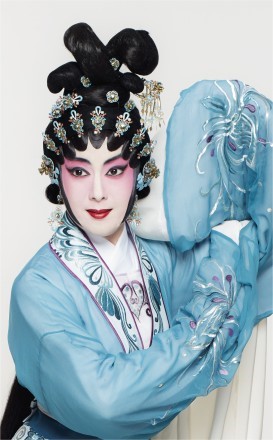
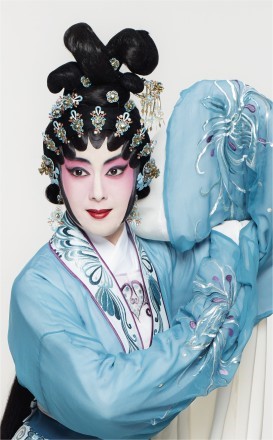
Following a tour of the Grand Theatre, we will have a special backstage visit with Ms. Li Pui-yan (李沛妍) as she dons her dress and make-up for her leading female role in the Cantonese Opera performance, “Tale of the Purple Hairpin”《紫釵記》. After the visit, we will attend the opera which will be performed in Cantonese with Chinese and English subtitles.
Opera synopsis
“Tale of the Purple Hairpin”《紫釵記》 by playwright Tang Tik-sang唐滌生is one of the best known and most performed Cantonese operas ever written. Set in the Tang dynasty, “Purple Hairpin” tells the story of female entertainer Huo Xiaoyu霍小玉 and poet Li Yi李益. The lovers were kept apart by a powerful imperial courtier, Lu, who wanted Li to marry his daughter instead. Lu sent Li to a faraway post on the frontier and spread lies about Li’s change of heart over Huo, until Yellow Robe, a mysterious swordsman intervened to set things right and reunite the two.
Resource Person
Born in New York from a family of Cantonese opera heritage and a graduate from Wellesley College, Ms. Li Pui-yan (李沛妍) has studied under numerous famed Cantonese opera performers. Since her debut as principal actress in Floral Princess (Youth Edition) in 2007, she has performed for the Hong Kong Arts Festival, Chinese Opera Festival, Macau Arts Festival as well as the benefit inaugural performance at ASHK’s Miller Theatre. Her repertoire ranges from classics to new productions such as Deling and the Empress Dowager Ci Xi and Arrant Revenge, an adaptation of Shakespeare’s Hamlet. Recently, through working with artists from other disciplines, such as Ming Wong and Mariko Mori, she is inspired to further explore the cross-disciplinary potential of this traditional art form. Aside from performing, Ms. Li is devoted to the English translation of Cantonese opera librettos and has served on the Cantonese Opera Advisory Committee in Hong Kong for various terms.
Resource Person
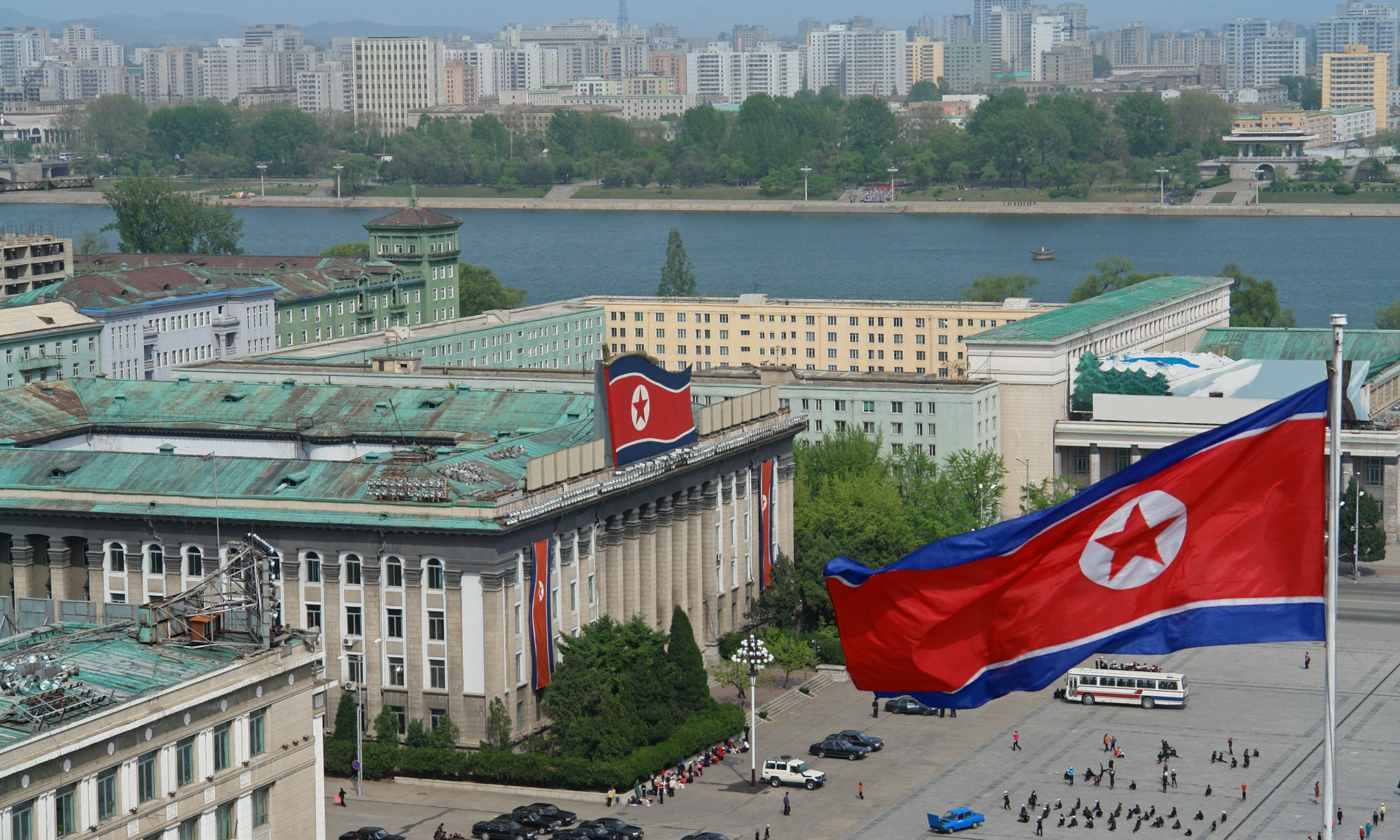
Katharina Zellweger manages KorAid Limited, an NGO which she established in 2015, based in Hong Kong, to focus on serving children in institutions and people with disabilities in North Korea and in China. KorAid has further potential for engagement in additional projects in these countries.
Zellweger brings over 30 years of field experience as a senior aid manager in Hong Kong, China and North Korea to this undertaking. She was based in Pyongyang for five years (2006-2011) as the North Korea country director for the Swiss Agency for Development and Cooperation (SDC), an office of the Swiss Ministry of Foreign Affairs. At SDC her work focused on sustainable agricultural production to address food security issues, income generation to improve people’s livelihoods, and capacity development to contribute to individual and institutional learning. Before joining SDC, from 1978 to 2006, Zellweger worked in a senior capacity at Caritas-Hong Kong, a Catholic agency, playing a key role in pioneering the Caritas involvement in China and in North Korea.
Zellweger is currently also a North Korea Program Affiliate/Visiting Fellow at the Center for International Security and Cooperation at Stanford University in California. She is an expert and frequent presenter on the current situation of the North Korean people, giving talks to audiences in the U.S., Europe, and elsewhere. She has also made significant contributions to the field through her participation in workshops, seminars, and conferences concerning both humanitarian and security issues on the Korean peninsula, most specifically regarding North Korea. Moreover, from time to time she accompanies exclusive tours to North and South Korea.
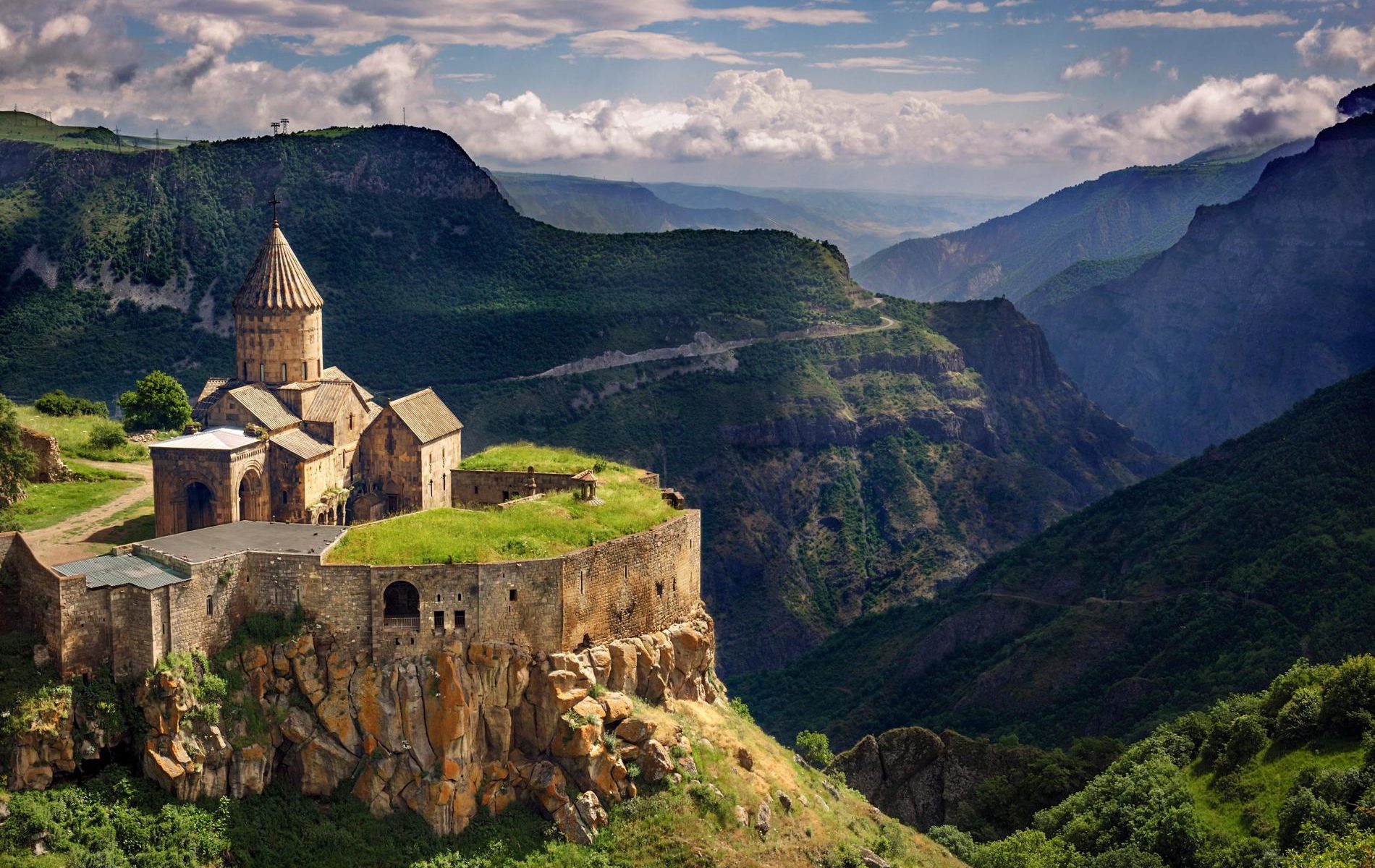
Armenia and Georgia constitute a cultural, historical, and religious intersection located at the crossroads between Europe and Asia. The boundless beauty of their landscapes, from the desert to the Caucasus Mountains, fertile valleys, picturesque land formations, basalt columns, rock sculptures, and waterfalls, will leave you speechless. Armenians and Georgians have cherished their artistic traditions from ancient times, which reflect a unique culture where aspects of everyday life are expressed in the most artistic fashion, in needlework, embellishments, carvings and design.
Armenia is often referred to as an open-air museum, with over 4,000 historical monuments throughout the country from prehistoric to Hellenistic times, and from the early to medieval Christian era. Churches bear artistic illustrations in frescoes and reliefs. Sculpting is everywhere – in nearly every city, town, and village in Armenia.
Georgia throughout the centuries was the object of rivalry between Persia, Turkey and Russia, before gaining independence in 1991. This special historical background with the recorded history of Georgia dating back to 2000 B.C., has given Georgia a unique and ancient cultural heritage, famed for its traditions of hospitality and cuisine.
This year’s festival theme of PEACE is a reference to the founding members and their principle of the Salzburg Festival being a peace project.
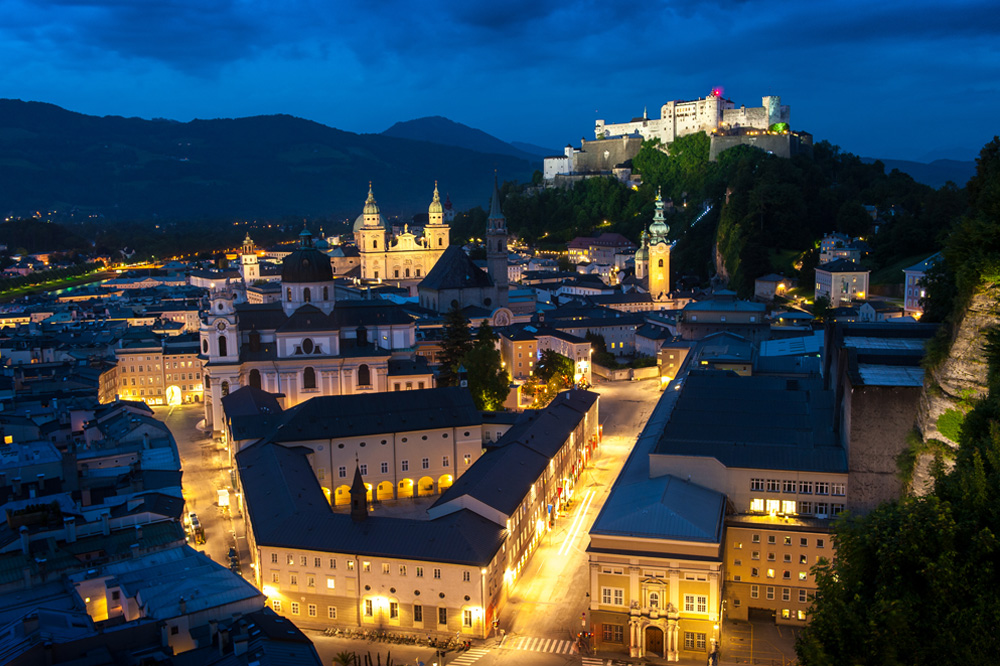
1920: Founding the festival directly after the war, it was seen as one of the first deeds of peace “”. The festival was started to shine as a guiding light in the search for both the restoration of identity and the meaning of life after the First World War.
Geographically, this trip is focused on Central Europe , starting off in Salzburg and its beautiful lake region of Salzkammergut “. The Northern part of our journey will cover the neighboring region of Bohemia in Czech Republic . This culturally rich region has nurtured one of the most picturesque towns in Europe, Prague, the capital of Czech Republic.
Overview
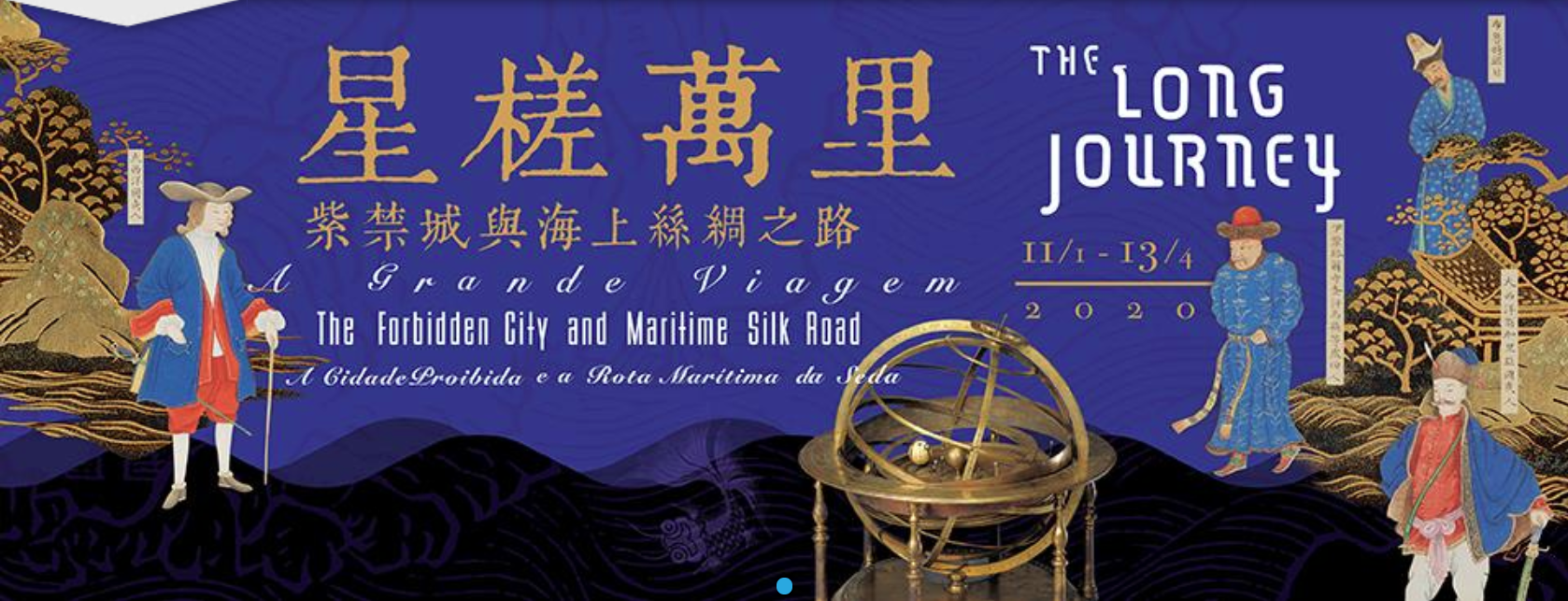
The HKU Museum Society is pleased to have Dr. Joseph Ting lead us on a day trip to Macau. The programme for the day begins with a ferry ride to Macau to see the exhibition “The Long Journey: The Forbidden City and Maritime Silk Road” at the Macao Museum of Art (MAM), followed by a simple lunch and a short afternoon walk between Santiago to Government House along the Praya. We then board the 17:20 ferry back to Hong Kong.
* Please note itinerary is subject to change with or without prior notice.
The Exhibition
The exhibition is co-presented by the Palace Museum and the Macao Museum of Art. It follows the theme of ‘One Belt, One Road’ without forgetting the original purpose of the Maritime Silk Road, while reflecting on history and looking to the future. Large in scale and rich in content with a wide array of exhibits, the exhibition prompts the public to retrace the history of Chinese and Western cultural exchanges throughout the Maritime Silk road, a route of civilisation. The exhibits include treasures of the Qing Palace from the collection of the Palace Museum, and newly added cultural relics after the founding of the New China.
Resource Person
Dr. Joseph Ting (丁新豹博士) majored in Chinese Literature and Chinese History from Hong Kong University and graduated with a BA degree in 1974. He was conferred an MPhil in 1979 and a PhD in 1989, both from HKU. Dr. Ting joined the Hong Kong Museum of Art as an Assistant Curator in 1979 and was appointed Chief Curator of the Hong Kong Museum of History in 1995. He retired in 2007 after 28 years of service. He is currently an Honorary Professor of School of Chinese, University of Hong Kong, as well as an Adjunct Professor in the Department of History at the Chinese University of Hong Kong.
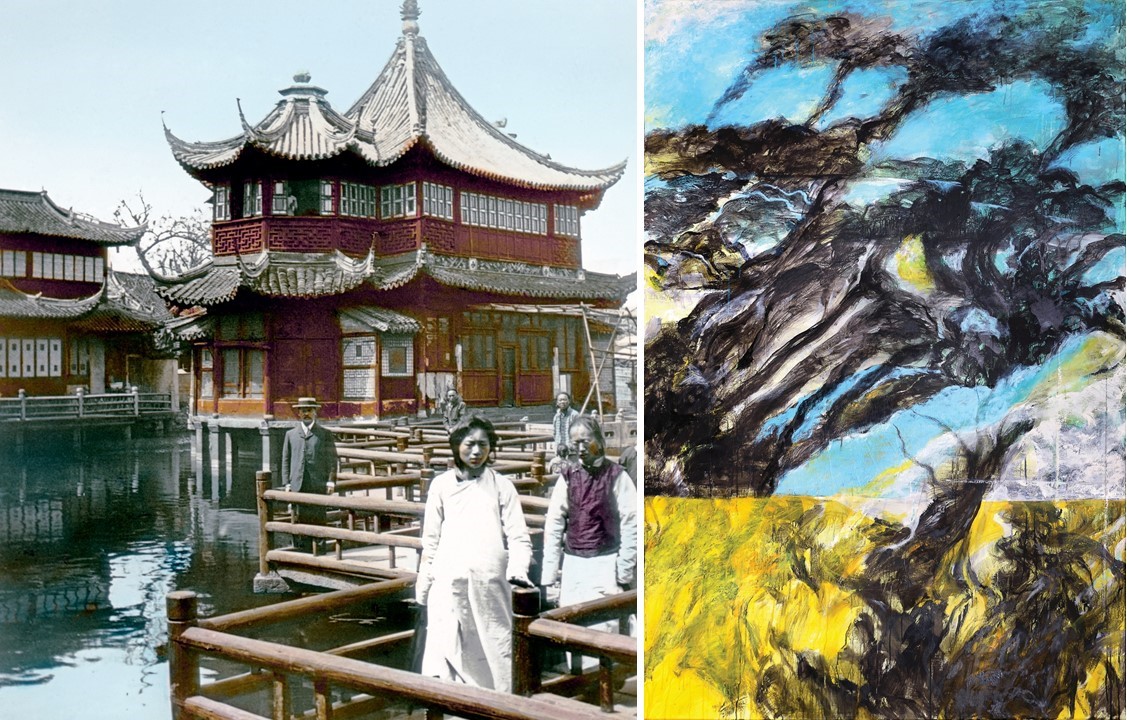
The HKU Museum Society and the University Museum and Art Gallery are pleased to present guided viewings of two current exhibitions, Along China’s Coast: Dezső Bozóky’s Travel Photography 1908–1909 and Chak: Landscapes and other Natural Occurences. We will be guided by the artist Chak 翟宗浩 and Museum Director Dr. Florian Knothe.
Along China’s Coast: Dezső Bozóky’s Travel Photography 1908–1909
This exhibition presents a larger group of photographs that Dezső Bozóky took along China’s coast from 1908–1909. A naval officer with the Austro-Hungarian Navy, Bozóky first left Hong Kong for Canton before travelling to Fujian province, Shanghai and Beijing, documenting the countryside and cities as well as their inhabitants. The photographer’s interest in nature and architecture and, above all, the Qing dynasty street scenes and people he met, continue to transmit the excitement and wonder of this early European traveler in a country and culture so far from his own.
Chak: Landscapes and other Natural Occurrences
Chak 翟宗浩 graduated from the Department of Fine Arts at the CUHK and later studied with Liu Kuo-sung. In his early years, Chak incorporated a number of contemporary theories and materials into his practice for which he received several prestigious awards, and scholarships in Japan and the USA. After living abroad for nearly 30 years, Chak returned to Hong Kong and continued to create abstract landscapes that explores traditional elements in Chinese art while incorporating more contemporary mediums and motifs.
Resource Person
Dr. Florian Knothe teaches the history of decorative arts in the 17th and 18th century with particular focus on the social and historic importance of royal French manufacture. He has long been interested in the early modern fascination with Chinoiserie and the way royal workshops and smaller private enterprises helped to create and cater to this long-lasting fashion. Dr. Knothe worked at The Metropolitan Museum of Art focusing on European Sculpture and Decorative Arts, and on European and East Asian glass at The Corning Museum of Glass, before his current position as Director of the University Museum and Art Gallery at HKU.
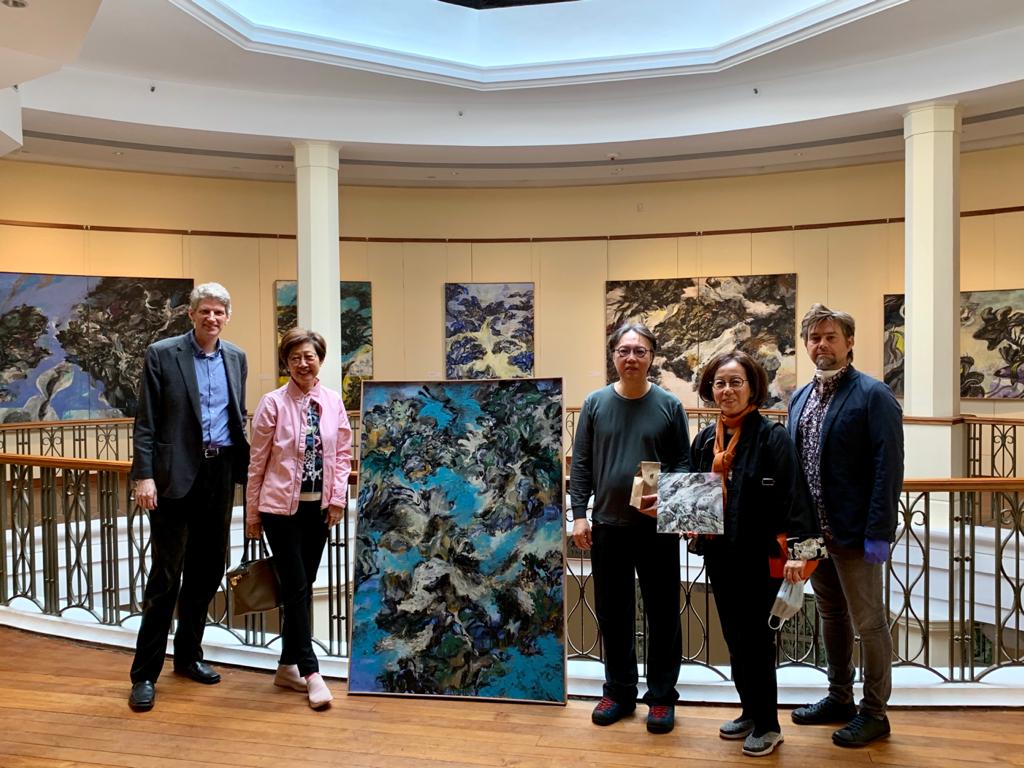
The University Museum and Art Gallery and the HKU Museum Society are pleased to present guided viewings of two exhibitions, “Jen Bervin: Silk Poems” and “Chak: Landscapes and Other Natural Occurrences”. We will be guided by the artist Chak 翟宗浩 and Museum Curator Christopher Mattison.
Silk Poems
Beyond silk’s traditional use in textiles, researchers are now experimenting with the material in novel forms of biomedical technology; as silk is compatible with human tissue, the immune system can accept silk on surfaces as sensitive as the human brain. In the UMAG exhibition Silk Poems, visual artist and author Jen Bervin melds the medium’s traditional applications with cutting edge research – engaging with silk’s cultural, scientific and linguistic complexities.
Chak: Landscapes and other Natural Occurrences
Chak 翟宗浩 graduated from the Department of Fine Arts at the CUHK and later studied with Liu Kuo-sung. In his early years, Chak incorporated a number of contemporary theories and materials into his practice for which he received several prestigious awards, and scholarships in Japan and the USA. After living abroad for nearly 30 years, Chak returned to Hong Kong and continued to create abstract landscapes that explores traditional elements in Chinese art while incorporating more contemporary mediums and motifs.
Resource Person
UMAG curator Christopher Mattison‘s current research focuses on the interplay of text and image in the museum environment. Mattison received his MA in Comparative Literature and MFA in Literary Translation from the University of Iowa, where he worked closely with the International Writing Program and a diverse range of visual artists. After completing the course work for a PhD in Comparative Literature, he abandoned the classroom for Boston, where he re-booted the literary publishing house Zephyr Press and developed projects with private galleries and university museums. Before taking up the positions of curator and publisher at UMAG, Mattison was Assistant Director for the Advanced Institute of Cross-Disciplinary Studies at City University.
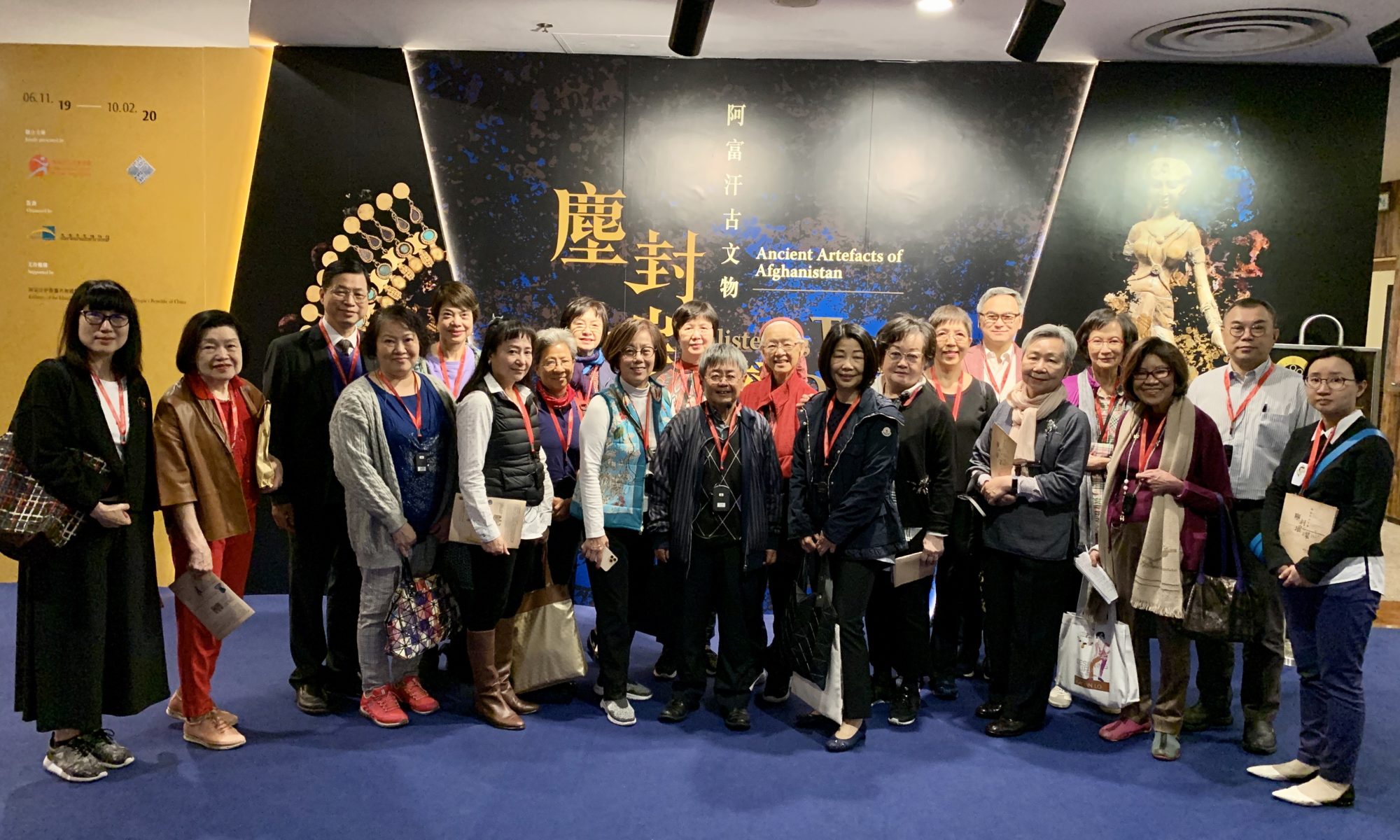
Through the display of 231 items/sets of rare artefacts including goldware, glassware, bronze sculptures and ivory carvings, unearthed from the four famous archaeological sites of Tepe Fullol, Aï Khanum, Tillya Tepe (Hill of gold) and Begram, now in the collection of the National Museum of Afghanistan, the exhibition Glistening Treasures in the Dust – Ancient Artefacts of Afghanistan demonstrates the profound influence of foreign ancient cultures such as Greek, Indian and Roman on Afghanistan and its surrounding regions from the Bronze Age to the first century AD, as well as a cultural diversity embracing the features of different Steppe cultures. These artefacts also attest to the role played by ancient Afghanistan as the cultural crossroads of the Silk Road, which subsequently promoted the exchange and integration of world civilisations.
We are pleased to organize this guided tour with Dr. Joseph Ting. The exhibition is jointly presented by the Hong Kong Museum of History and Art Exhibitions China.
Resource Person
Dr. Joseph Ting majored in Chinese Literature and Chinese History from HKU and graduated with a BA degree in 1974. He was conferred an MPhil in 1979 and a PhD in 1989, both from HKU. Dr. Ting joined the Hong Kong Museum of Art as an Assistant Curator in 1979 and was appointed Chief Curator of the HK Museum of History in 1995. He retired in 2007 after serving for 28 years. He is currently an Honorary Assistant Professor in the School of Chinese at The University of Hong Kong, as well as an Adjunct Professor in the Department of History at the Chinese University of Hong Kong.
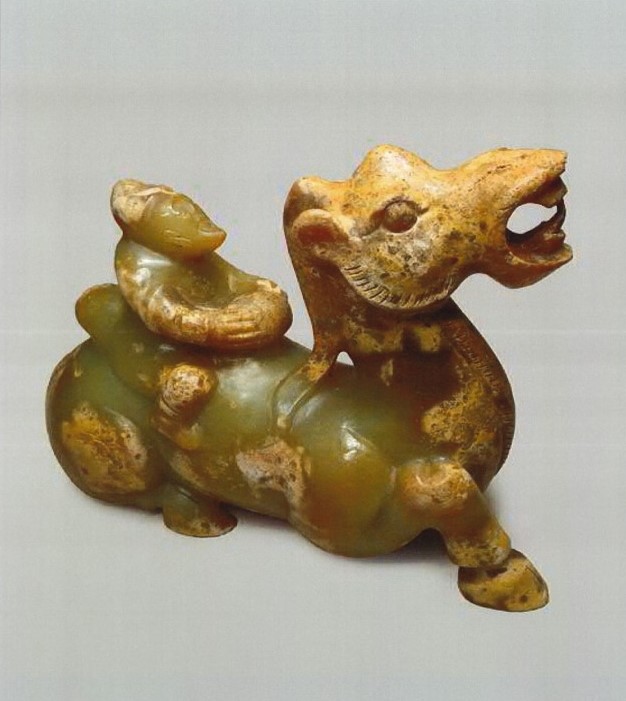
The HKU Museum Society is pleased to present a guided lecture and dinner on Ships of the Silk Road – The Bactrian Camel in Chinese Jade by Angus Forsyth at Min Chiu Society.
For hundreds of years, the Bactrian Camel ploughed a lonely furrow across the vast wilderness of Asia – a routing now popularly known as the Silk Road.
This bizarre-looking temperamental and yet hardy creature here came into its own as the core goods vehicle, resolutely and reliably transporting to China – over the huge and unforgiving distances – fine things from the West while taking treasures out of the Middle Kingdom in return. Throughout, where the chariot, wagon and other wheeled conveyances proved useless amidst the shifting sense of the desert dunes, the sure footed progress of the camel – the archetypal “Ship of the Silk Road” – now reigned supreme over 2500 years only being edged into replacement in the closing century of the last millennium by the construction of proper roads and the passage of goods using the internal combustion engine transforming the Bactrian Camel from a major utility to a tourist attraction.
Resource Person
Angus Forsyth
Angus Forsyth commenced work in private practice as a solicitor in 1971. In 1972 he joined the Royal Asiatic Society Hong Kong Branch and has been a life member for many years. He began a jade collection in 1973 focusing only on nephrite jade worked in China from Neolithic Times up to the Qing Dynasty.
He was a founder member of the Oriental Ceramic Society of Hong Kong in 1974 and was its President in the two year period from 1984 to 1986. In 1975 he acquired his first jade Bactrian Camel of a Tang Dynasty date. This was an introduction to the mystique surrounding this remarkable animal as the unique beast of burden which carried all manner of goods from East and West on an exclusive role of trade linking China in the East with Rome in the West. From the 2nd to the 8th Century A.D. the principal traffic control and management providing Bactrian Camel transport on the Silk Road was operated by the Soghdians, an Iranian tribe from the Northeast Altai Mountains who followed the Zoroastrian fire worship religion.
In 1990 Angus Forsyth contributed an article on his study of the development of human sculptural form in Hong Shan Neolithic jade working which was published in Orientations Magazine and remains a leading article on the subject. In 1991 he contributed two chapters on Early Chinese jade to a large book on jade featuring the jade of all producer countries worldwide. In 1994 he wrote the first half on early jades of a joint publication with Brian McElney forming the catalogue of a major exhibition of both their collections at the Museum of Far Eastern Art in Bath, England.
Art and its Histories: Scholars in Lecture is a series of public lectures organized by the Department of Fine Arts, HKU and presented in collaboration with Asia Society Hong Kong Center, Friends of Hong Kong Museum of Art, and The University of Hong Kong Museum Society. The programs aim to deliver current art-historical thinking in an accessible manner presented by specialists in the field. The series is part of the Department of Fine Art’s broader dedication to promoting the importance and relevance of art history in Hong Kong.
Lecture Synopsis
One of the greatest cases of Sino-European cultural interaction before 1911 took place in the Qing court when emperors Kangxi, Yongzheng, and Qianlong hosted and patronized a number of Jesuit artists and artisans from Europe. The Jesuits were trying to impress the emperors with supposedly superior scientific knowledge in order to help spread Christianity in China, while the emperors integrated the missionaries’ foreign painting techniques into court art to extend their own political ends.
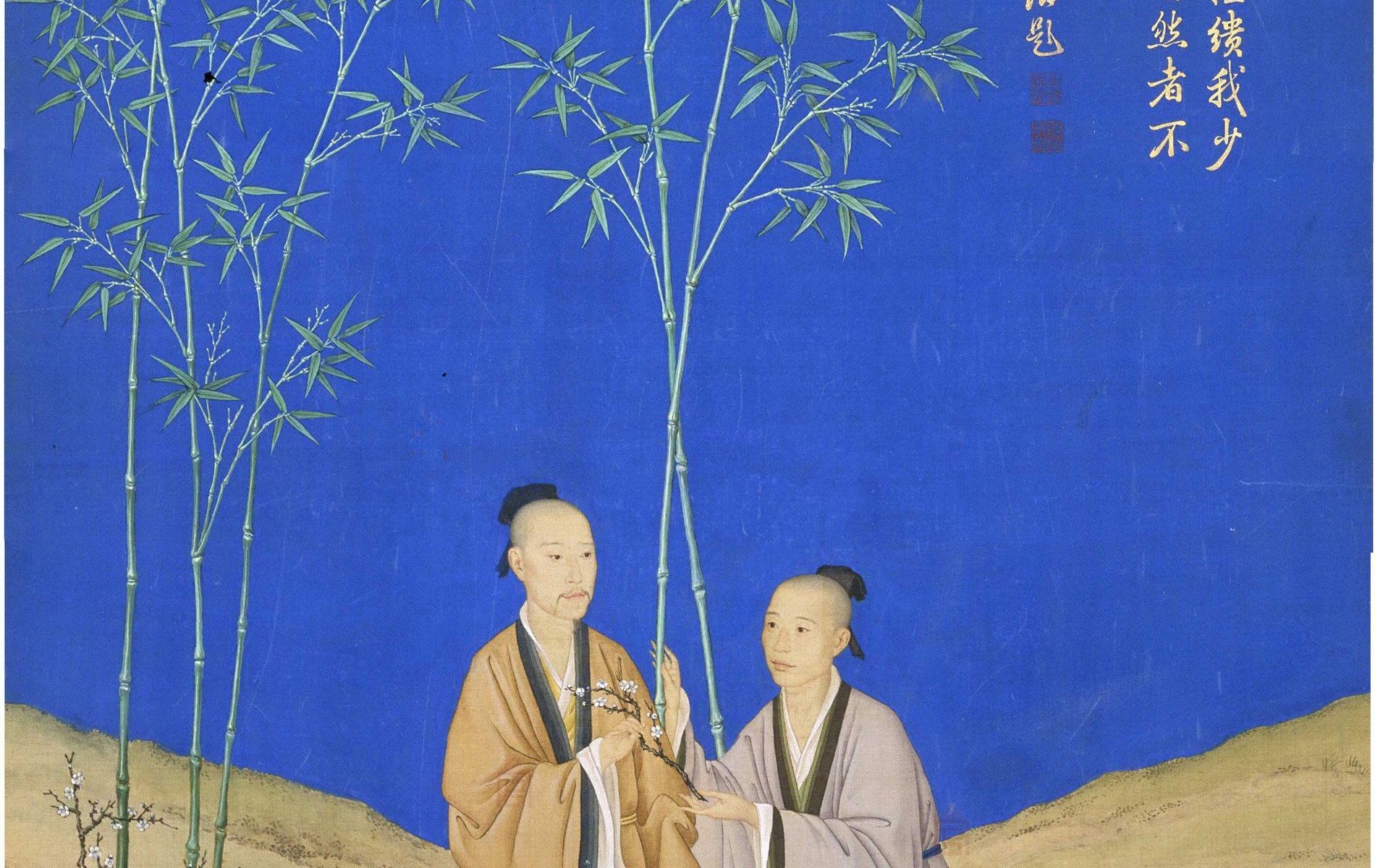
This talk presents two cases of this remarkable cultural exchange, analyzing the techniques and effects of realism in illusionistic wall paintings designed by the famous Italian brother Giuseppe Castiglione (Lang Shining, 1688-1766) and in military portraits by the more obscure French brother Jean-Denis Attiret (Wang Zhicheng, 1702-68). Both artists worked directly for the Qianlong emperor (r.1736-95), faithfully serving his imperial ideology, and both achieved a degree of intercultural fusion rarely seen anywhere else.
Speaker
Greg Thomas is a Professor of art history in the Department of Fine Arts at The University of Hong Kong. He earned his Ph.D. from Harvard University and has worked at HKU since 1999, teaching the department’s survey of western art and advanced courses on European art of the 18th and 19th centuries, modern western architecture, and intercultural interactions. A specialist in 19th-century French painting, he has published “Art and Ecology in Nineteenth-Century France: The Landscapes of Théodore Rousseau”(Princeton University Press, 2000) and “Impressionist Children: Childhood, Family, and Modern Identity in French Art”(Yale University Press, 2010). Recent research has focused on Sino-European cultural interaction in the 18th and 19th centuries, and he is currently working on a book examining European engagements with Chinese art and architecture at the palace of Yuanming Yuan.

Giuseppe Castiglione (Lang Shining), Spring’s Peaceful Message,
hanging scroll, color on paper, c.1736,
collection of the Palace Museum, Beijing.
Co-presented by