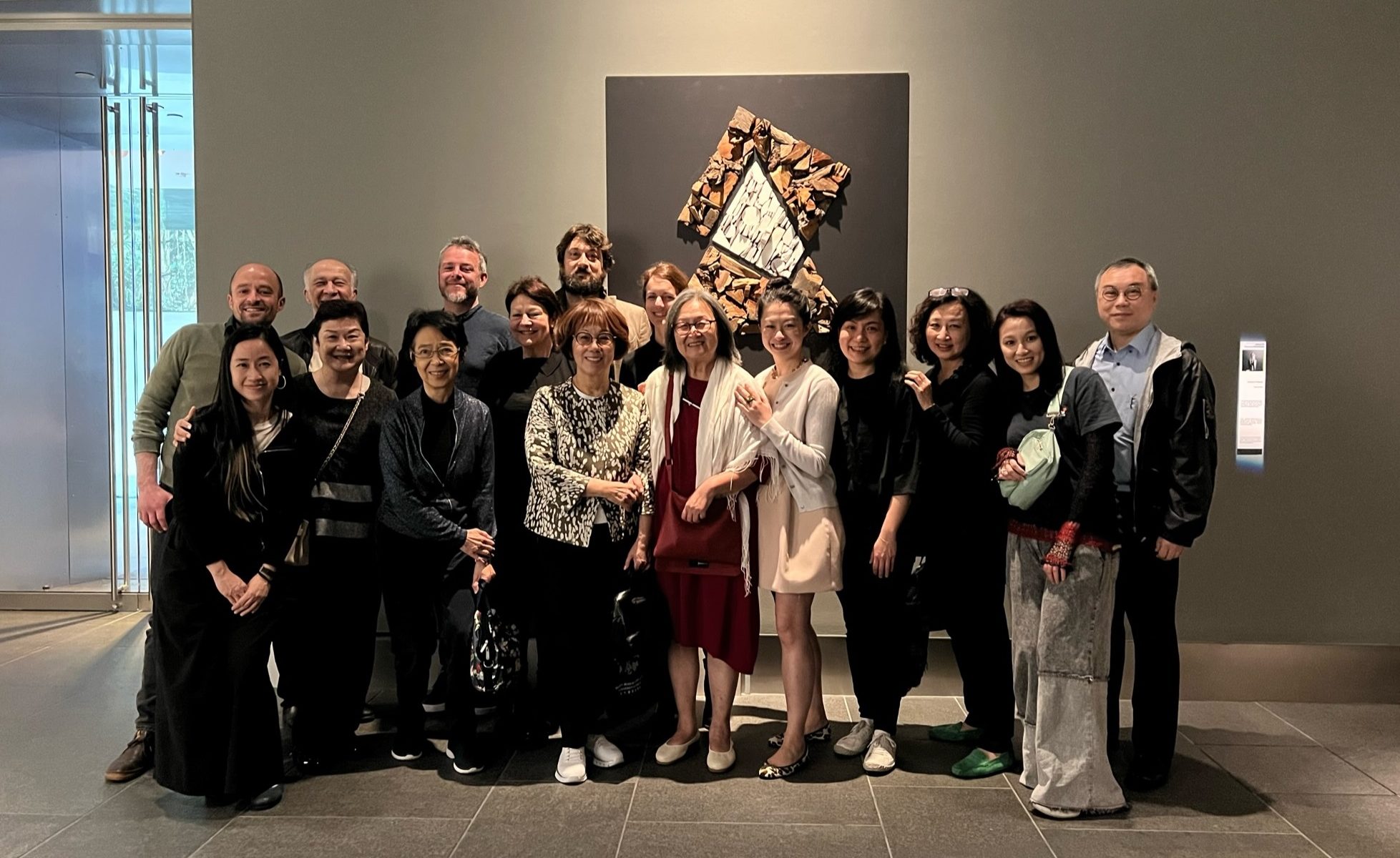
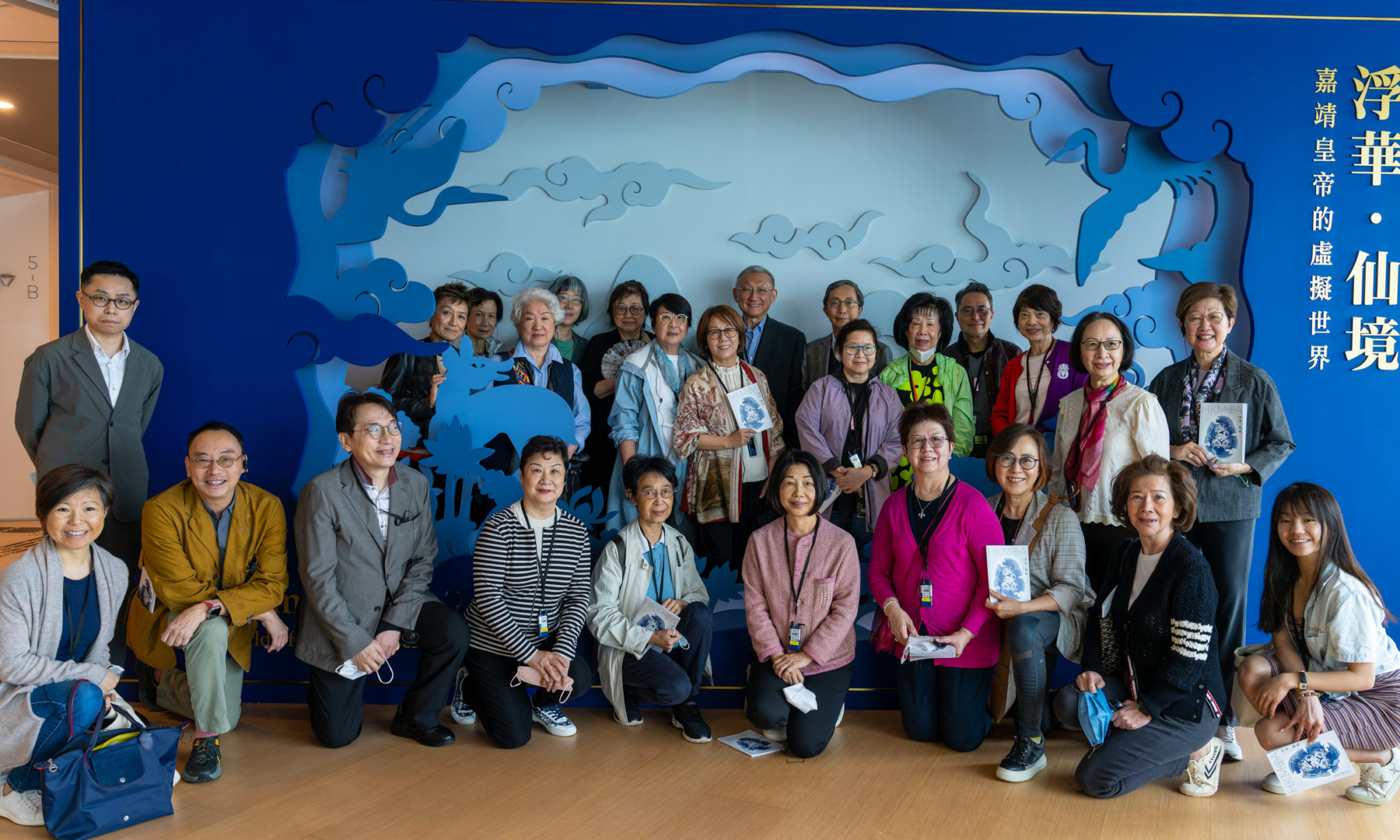
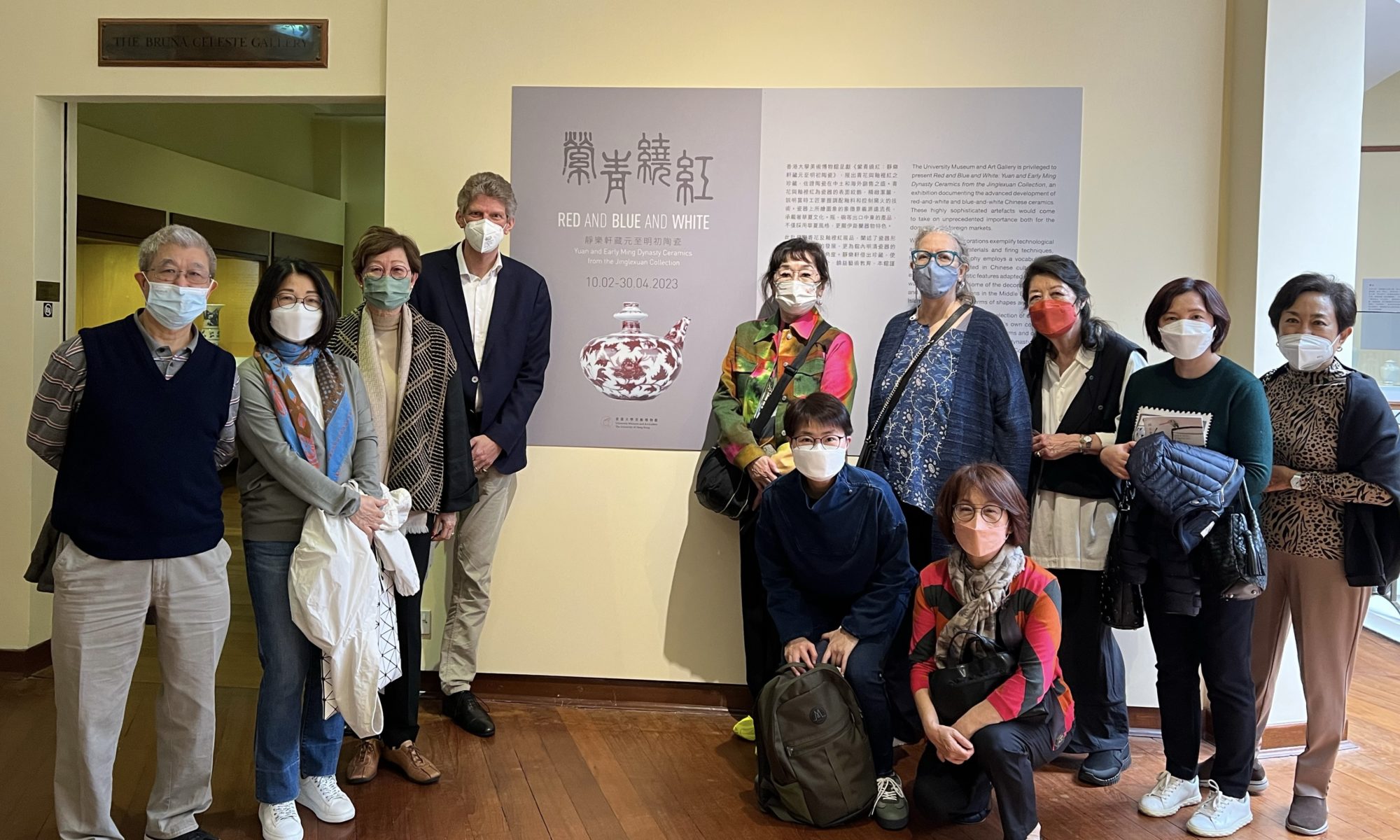
Guided Viewing of Two Exhibitions at UMAG: “Alberto Reguera: Homage to Aert van der Neer” and “Red and Blue and White: Yuan and early Ming Dynasty Ceramics from the Jinglexuan Collection” with Dr. Florian Knothe

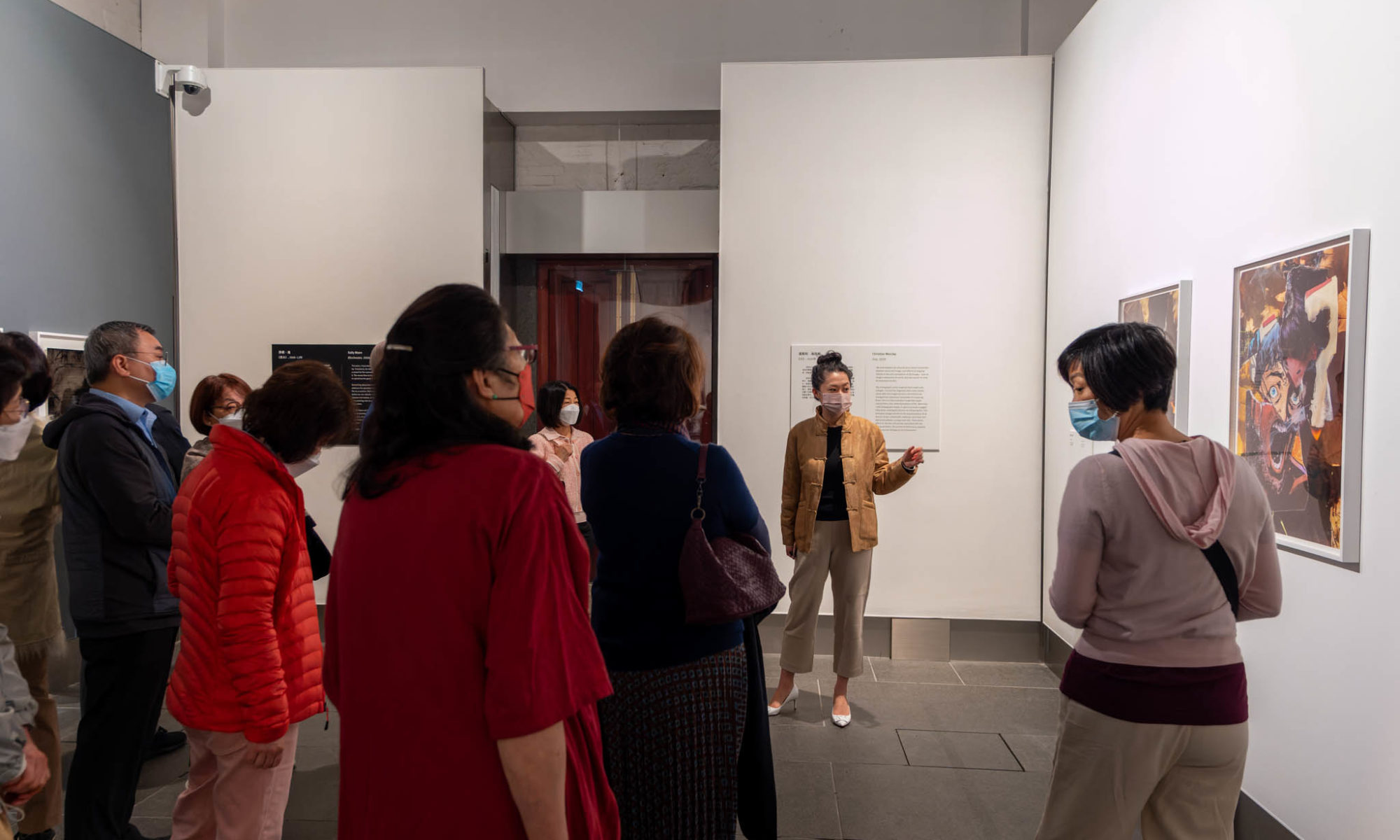
The HKU Museum Society is pleased to organize a viewing of two exhibitions at UMAG. The first exhibition Alberto Reguera: Homage to Aert van der Neer is presented with support of the HKUMS 30th Anniversary Endowment Fund. The second exhibition is Red and Blue and White: Yuan and early Ming Dynasty Ceramics from the Jinglexuan Collection. We will be guided by Dr. Florian Knothe, Director of UMAG.


Alberto Reguera: Homage to Aert van der Neer

Dazzled by the twilight of 17th-century painter Aert van der Neer’s (1603–77) Moonlit Landscape with a Road beside a Canal (1645– 50), contemporary Spanish artist Alberto Reguera created a new series of paintings as an homage to the celebrated artist of the Dutch Golden Age. Each of Reguera’s paintings displays an in-depth study of the representation of light and sky in the European tradition of painting while engaging in a dialogue with Van der Neer’s Moonlit Landscape.

The sensitive depiction of light in the night sky most inspired Alberto Reguera, in part because of the similarities to his own work. These new paintings examine and connect directly to Van der Neer’s masterpiece, and the important painterly achievements of the Dutch painter’s generation. While the Golden Age landscapes have been widely discussed and imitated over the past three centuries, it is Reguera’s particularly intense form of study and thoughtful application of style that has culminated in these highly personal and accomplished works.

The exhibition and accompanying publication is the second collaboration between the University Museum and Art Gallery and Alberto Reguera. While the first exhibition Blue Expansive Landscape (2015) was notable for the display of the painter’s two- and three-dimensional works, and his innovative ways of painting beyond the canvas, Homage to Aert van der Neer is a similarly complex endeavour that has been achieved through a successful partnership with the Museo Nacional Thyssen-Bornemisza and the artist, and the financial support of the University of Hong Kong Museum Society


Red and Blue and White: Yuan and early Ming Dynasty Ceramics from the Jinglexuan Collection

This exhibition documents the advanced development of red-and-white and blue-and-white Chinese ceramics. These treasured artefacts are highly sophisticated and they led to a production of unprecedented importance both for the domestic and, eventually, the foreign market.

Interestingly, while the surface decoration exemplifies technological advances in glaze materials and firing techniques, the depicted iconography employs a vocabulary of symbols long known and celebrated in Chinese culture. Rare examples stand out for they also display stylistic features adopted into the manufacture of export wares that were, like some of the decorative bottles and bowls, sent to patrons in the Middle East and show more Islamic than Chinese shapes and motifs.

At the University Museum, this selection of early red-and-white and blue-and-white ceramics prefaces and extends the museum’s own collection and the array of further developed forms and colours that characterise later Ming and Qing dynasty porcelains. We are grateful to the Jinglexuan Collection for this opportunity to curate such an exceptionally expansive and educational display.


Speakers

Dr. Florian Knothe teaches the history of decorative arts in the 17th and 18th century with particular focus on the social and historic importance of royal French manufacture. He has long been interested in the early modern fascination with Chinoiserie and the way royal workshops and smaller private enterprises helped to create and cater to this long-lasting fashion. Dr. Knothe worked at The Metropolitan Museum of Art focusing on European Sculpture and Decorative Arts, and on European and East Asian glass at The Corning Museum of Glass, before his current position as Director of the University Museum and Art Gallery at HKU.


Images: Courtesy of UMAG

PEQUEÑAS FANTASÍAS CROMÁTICAS II . Alberto Reguera & Yuhuchun Vase, Yuan dynasty
Guided Viewing: “Amber: Baltic Gold” at the Indra and Harry Banga Gallery with Dr. Isabelle Frank

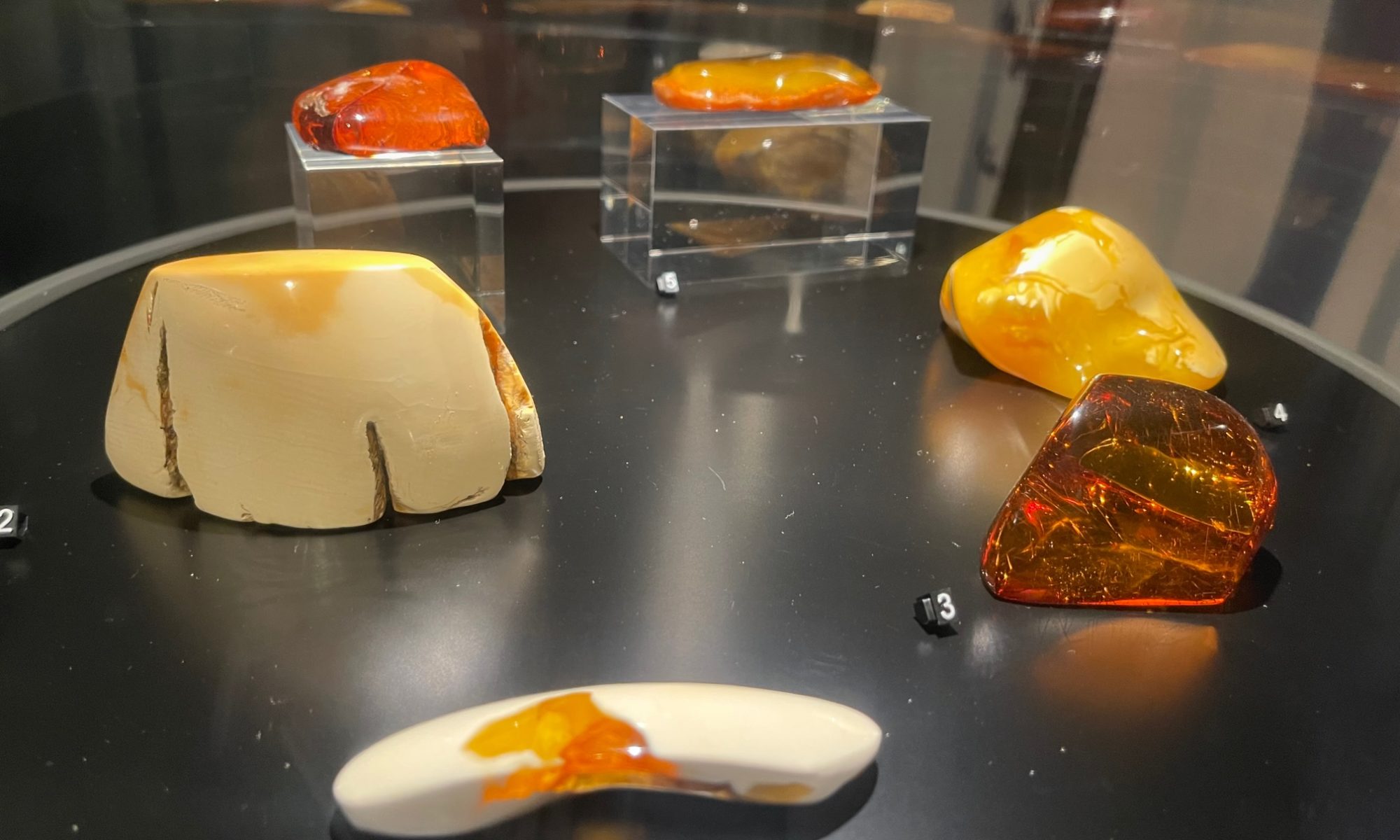
The HKU Museum Society is pleased to visit the exhibition Amber: Baltic Gold with Dr. Isabelle Frank, Director of the Indra and Harry Banga Gallery at City University.

Amber is a beautiful and fascinating organic material that for centuries was believed to be a gemstone. Treated like a rare mineral, amber is simply a fossilized form of resin secreted by different plants. The most famous type comes from the Baltic regions, formed from the sap of extinct conifers 100 million years ago. As it drips down the tree, the sap often traps insects and vertebrates, which are then preserved in the amber, offering rare clues about the evolution of species millions of years ago.

The exhibition highlights key moments in amber’s artistic trajectory over the last 4,000 years and traces amber’s diffusion across Europe from the Baltic regions to ancient Rome, and then down the famous Silk Road to China. The earliest amber objects date from the Neolithic ages, from the Baltic areas; thousands of years later treated amber appears in China circa 1,000 BCE, and by the 8th century can be found in Etruscan tombs in Italy. In China amber continued to be prized over the succeeding centuries, fashioned into precious jewellery and personal accessories. In later medieval and early modern Europe amber was seen as a mysterious and rare material with unknown origins, employed to make private devotional objects and magnificent royal gifts. By the end of the 18th century, however, tastes had changed in both Asia and Europe, and amber’s popularity declined. However, in the Baltic countries it remained a national treasure and important for the decorative arts. Today amber is undergoing an aesthetic revival, once again beginning to attract the attention of contemporary artists. 


Speaker

Dr. Isabelle Frank focuses on curating exhibitions that combine technology and the arts and bridge Western and Asian cultures.  An art historian by training with a PhD from Harvard University, she first taught at the Bard Graduate Center for Studies in the Decorative Arts and was then Associate Dean for Academic Affair at The New School, and Dean at Fordham University’s School of Professional and Continuing Studies.  She has published on Italian Renaissance art and decorative art as well as edited many exhibition catalogues for the City University Exhibition Gallery, including Cabinets of curiosities, Art Deco. The France-China Connection, and most recently Leonardo da Vinci: Art & Science, Then & Now.

Heritage Tour: Kwu Tung , San Tin , and Ta Kwu Ling (In Cantonese)

Upon popular request, the HKU Museum Society is pleased to organize a second tour to Kwu Tung 古洞, San Tin 新田, and Ta Kwu Ling 打鼓嶺 curated by Jerry Yeung, Director of a specialized tour company.

Our tour starts from Central where we’ll board a private mini coach.  The first stop is Kwong Tak Loong Sauce Factory 廣德隆醬園 at Kwu Tung, a small local traditional factory which produces soy sauce for wholesale to restaurants since 1945.  It also produces lotus seeds paste for mooncakes.
Then we will proceed to Hau Mei Fung Ancestral Hall 味峰侯公祠, a declared historic site since 2019.  This exquisitely built folk building is a typical example of Qing Dynasty 清朝 architecture.  It is located in Kam Tsin Village, Sheung Shui 上水金錢村.
Before proceeding to San Tin, we will take a look at the Lady Ho Tung Welfare Centre 何東夫人醫局 which has been revitalized into an Eco-Learn Institute.
At San Tin, we will visit the Tai Fu Tai Mansion 大夫第 which was built in the 4th year of Tongzhi 同治 (1865) as a residence for scholar Man Chung-luen 文頌鑾.  The building is considered one of the most beautifully embellished traditional Chinese dwellings in Hong Kong.
Afterwards, we will make a stop at Lok Ma Chau Lookout Garden 落馬洲花園, a viewing point which offers an amazing view of the wetlands and scenic Shenzhen skyline.
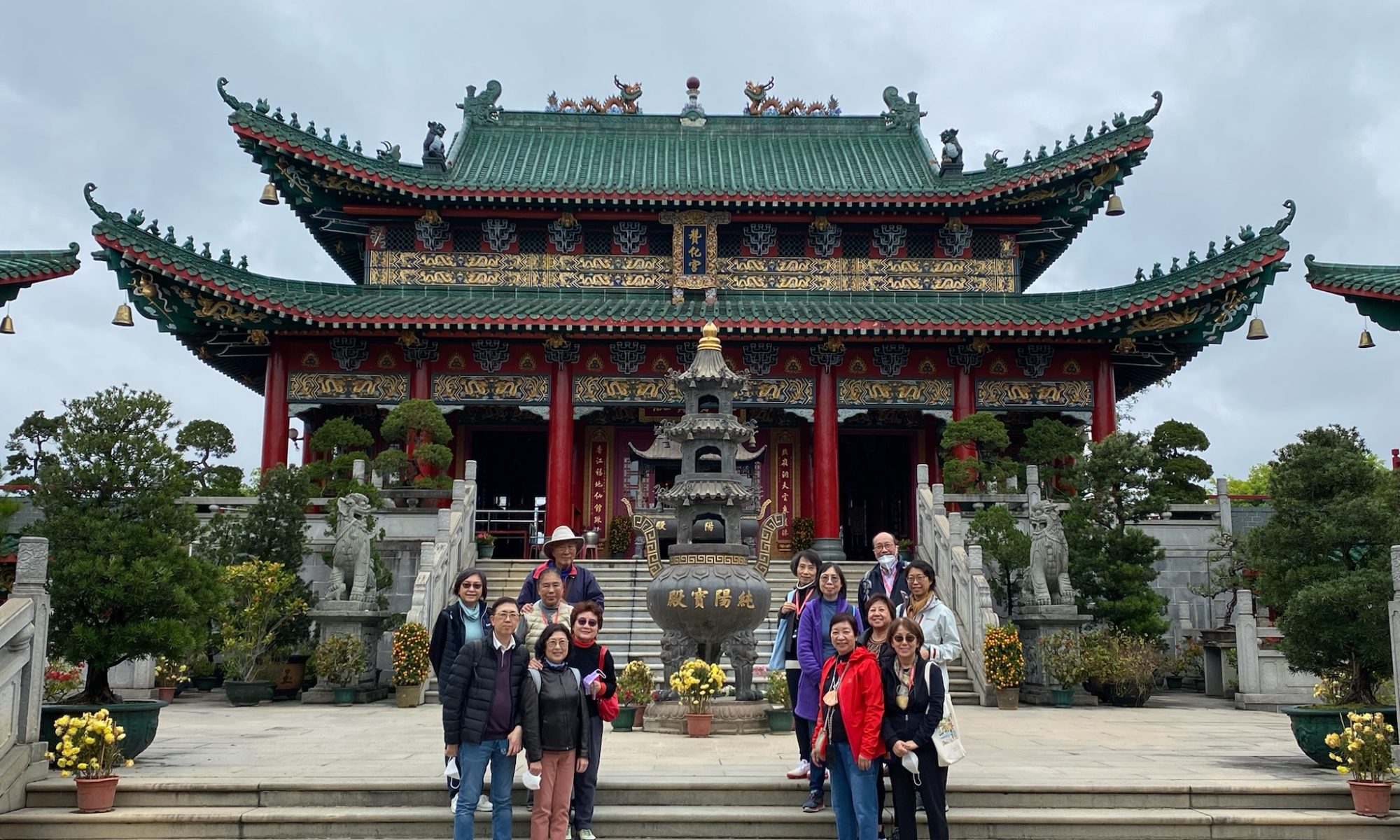
In the afternoon we will continue our journey to Ta Kwu Ling to have vegetarian lunch at Wun Chuen Sin Kwoon 雲泉仙馆.  After lunch, we will explore this Taoist temple which is dedicated to Master Lu Zu呂祖.  This site was constructed by priests who fled to Hong Kong during the Japanese occupation in 1938.  It is a replica of their temple in Xiqiao, Foshan, Guangdong 廣東佛山西樵 with design that resembles that of ancient palaces. 

Highlights of Kwu Tung and San Tin
With the priority given to the development of Northern Metropolis, Kwu Tung and San Tin become the transportation and distribution hub connecting Sheung Shui Shek Wu Hui Market上水石湖墟街市 and Yuen Long Market元朗街市. In the 20th century, light industry, agriculture and trading were prosperous, especially soy sauce and lumber factories.  Kwong Tak Loong Sauce Factory is one of the oldest and existing factory famous for handmade soy sauce. 
The Hou (侯) clan from Kwu Tung and the Man (文) clan from San Tin are two of the largest clans in Hong Kong, we will visit their ancient hall and old mansion which are declared monuments.

Highlights of Ta Kwu Ling
Due to its location, this name is frequently heard in weather reports.  The area expansively spans across three border ports between Hong Kong and the Mainland.  It is also a treasure land with fertile soil suitable for organic farming.  Many historical and heritage sites and buildings are conserved and protected in this area.
 
** Should the sauce factory be closed to public due to Covid 19 restriction, Heung Yuen Wai Block House香園圍炮樓 will be replaced instead. 

Photo credit: Travel Tailor

Heritage Tour: Kwu Tung , San Tin, and Ta Kwu Ling (in Cantonese)

As a continuation to our guided heritage tour to Sha Tau Kok 沙頭角, the HKU Museum Society is pleased to organize another tour to Kwu Tung 古洞, San Tin 新田 and Ta Kwu Ling 打鼓嶺 curated by Jerry Yeung, Director of a specialized tour company.

Our tour starts from Central where we’ll board a private mini coach.  The first stop is Kwong Tak Loong Sauce Factory 廣德隆醬園 at Kwu Tung, a small local traditional factory which produces soy sauce for wholesale to restaurants since 1945.  It also produces lotus seeds paste for mooncakes.

Then we will proceed to Hau Mei Fung Ancestral Hall 味峰侯公祠, a declared historic site since 2019.  This exquisitely built folk building is a typical example of Qing Dynasty 清朝 architecture.  It is located in Kam Tsin Village, Sheung Shui 上水金錢村.

Before proceeding to San Tin, we will take a look at the Lady Ho Tung Welfare Centre 何東夫人醫局 which has been revitalized into an Eco-Learn Institute.

At San Tin, we will visit the Tai Fu Tai Mansion大夫第 which was built in the 4th year of Tongzhi 同治 (1865) as a residence for scholar Man Chung-luen 文頌鑾.   The building is considered as one of the most beautifully embellished traditional Chinese dwellings in Hong Kong.

Afterwards, we will make a stop at Lok Ma Chau Lookout Garden 落馬洲花園, a viewing point which offers an amazing view of the wetlands and scenic Shenzhen skyline.

In the afternoon we will continue our journey to Ta Kwu Ling to have vegetarian lunch at Wun Chuen Sin Kwoon 雲泉仙馆.  After lunch, we will explore this Taoist temple which is dedicated to Master Lu Zu 呂祖.  This site was constructed by priests who fled to Hong Kong during the Japanese occupation in 1938.  It is a replica of their temple in Xiqiao, Foshan, Guangdong 廣佛山西樵 with design that resembles that of ancient palaces. 

Highlights of Kwu Tung and San Tin

With the priority given to the development of Northern Metropolis, Kwu Tung and San Tin become the transportation and distribution hub connecting Sheung Shui Shek Wu Hui Market 上水石湖墟街市 and Yuen Long Market 元朗街市. In the 20th century, light industry, agriculture and trading were prosperous, especially soy sauce and lumber factories.  Kwong Tak Loong Sauce Factory is one of the oldest and existing factory famous for handmade soy sauce. 

The Hou (侯) clan from Kwu Tung and the Man (文) clan from San Tin are two of the largest clans in Hong Kong, we will visit their ancient hall and old mansion which are declared monuments.

Highlights of Ta Kwu Ling

Due to its location, this name is frequently heard in weather reports.  The area expansively spans across three border ports between Hong Kong and the Mainland.  It is also a treasure land with fertile soil suitable for organic farming.  Many historical and heritage sites and buildings are conserved and protected in this area.


** Should the sauce factory be closed to public due to Covid 19 restriction, Heung Yuen Wai Block House香園圍炮樓 will be replaced instead. 


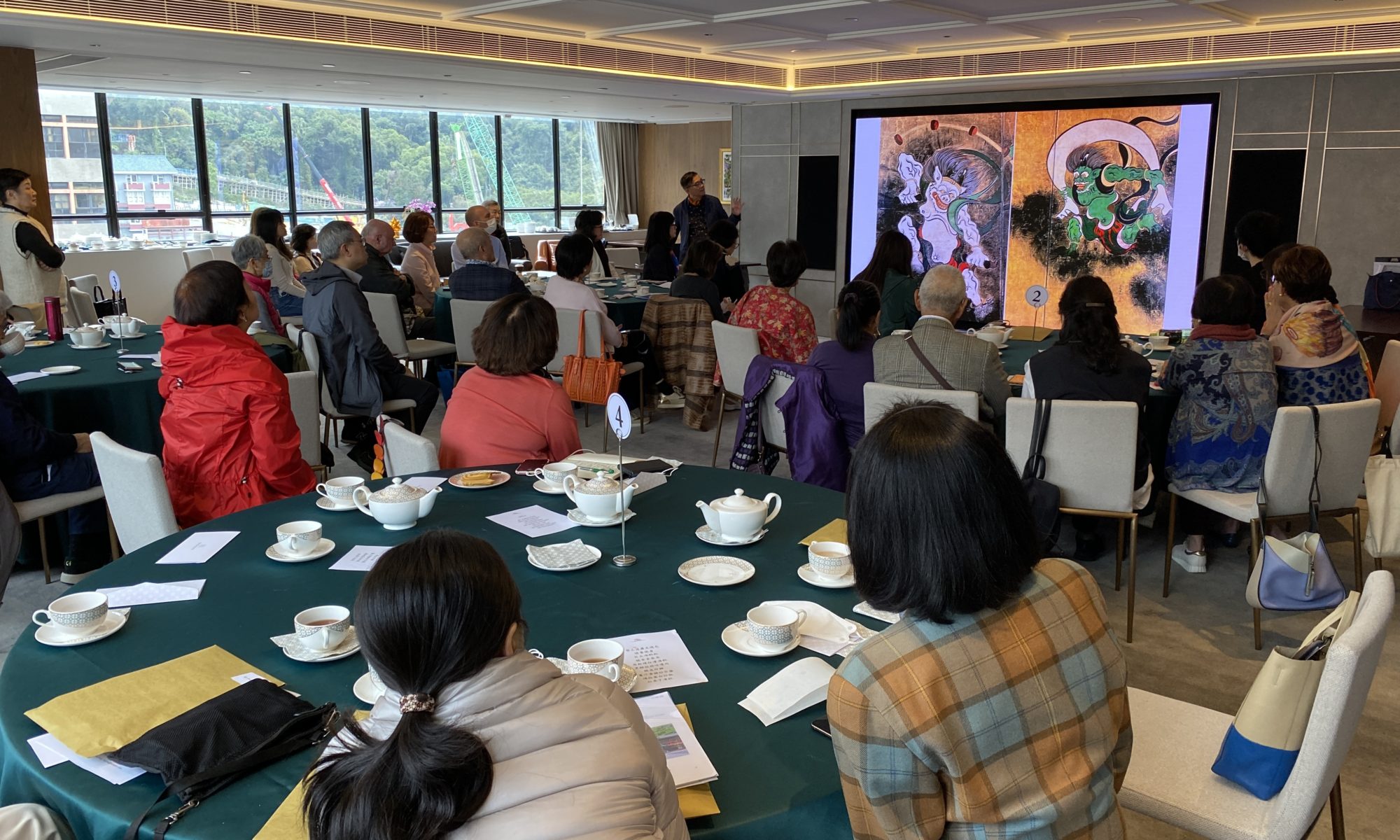
Colours, Forms, and Excessiveness – The Splendour of Togukawa Art and Architecture

Resource Person

Professor Puay-peng Ho is currently the Hear of the Department of Architecture, College of Design and Engineering at the National University of Singapore.  Previously, he was Professor of Architecture at The Chinese University of Hong Kong.  He received his First Class Honours degree in Architecture from the University of Edinburgh and Ph.D. degree in Art History from the School of Oriental and African Studies, University of London.

Guided Tour: Sai Kung Hoi Arts Festival Joy Again, Isle with Alan Cheung

The HKU Museum Society is pleased to organize a guided tour to Sai Kung Hoi Arts Festival Joy Again, Isle with Alan Cheung, Co-founder and Managing Director of One Bite Design Studio, Curator for the Arts Festival.

Built upon the successful implementation of the three-year Yim Tin Tsai Festival in 2021, the Sai Kung Hoi Arts Festival 2022 has expanded beyond Yim Tim Tsai to include Sharp Island, Kau Sai Chau and High Island. Themed “Joy Again, Isle”, the Arts Festival continues to showcase collaborations amongst local and non-local artists, youngsters and villagers. Yim Tim Tsai and the surrounding islands will turn into an “open museum” again, blending the rich history, local culture, heritage, and natural environment of Sai Kung Hoi with artworks.

The opening edition starts with Yim Tin Tsai and Sharp Island. Our guided tour will visit art installations at these two locations. Artists are invited to create artworks with themes like village stories, balance of rural and urban development, ecological conservation, and cultural inheritance. We will enjoy a casual lunch by the waters at Chef de Yim Tin which will open especially for us on their day off.


Speaker

Alan Cheung is a Co-Founder and Managing Director of One Bite Design Studio. He graduated from The Chinese University of Hong Kong for both his Bachelor and Master degrees in Architecture and is a registered architect in Hong Kong with 15 years of experience. Leading the first B Corp in Hong Kong from the architectural industry, he and his team at One Bite bridges commercial & public sector with the community through their creative ideas.
Alan brings collaborative creations that are grounded in human-design thinking, to connect people to the space in their community and strengthen the social fabric. He focuses on public space, social design and cross-disciplinary creative strategy.

More information about the festival can be found at:

https://skhartsfestival.hk/en/

Guided Tour: Heritage Sites on the Old Course, Hong Kong Golf Club

The HKU Museum Society is pleased to organize a heritage tour to the Old Course of the Hong Kong Golf Club.  Built in 1911, the Old Course is the oldest 18-hole course in Greater China. The Fanling property, with 44.3% of the site covered by trees, is estimated to have a minimum of 409 potential Old and Valuable Trees (OVTs). It is a habitat for a huge variety of birds, insects, reptiles, and other wildlife including a resident colony of Common birdwing butterflies – Hong Kong’s only protected insect species – and the globally endangered Reeve’s terrapin.  It is also home to many ancestral graves that dates back several hundred years to the Qing and Ming dynasties.

To explore the indigenous flora and fauna of Hong Kong, our tour will be guided by personnel from both the HKGC and Timothy J. Peirson-Smith, the Managing Director at Executive Council Limited (advisor to HKGC).  The route includes viewings of ecological habitat, heritage landscape, butterfly garden, conservation sites, etc, all of which are on this 111-year-old course.


Speaker

Timothy J. Peirson-Smith (Tim), the Managing Director at Executive Counsel Limited, has over 30 years of professional PR experience and is a stakeholder engagement and public relations specialist,. Tim has been developing major stakeholder engagement strategies and implementing them for over 30 years on large planning, development and infrastructure mega projects, such as Channel Tunnel Rail Link (UK), London Underground extensions, and some of the largest Hong Kong transport and development infrastructure projects such as HK International Airport, CLP’s LNG Terminal and Offshore Wind Farm. Tim is also working on the stakeholder engagement support for Hong Kong Golf Club (HKGC) since 2018. His role is to devise stakeholder engagement strategy focusing on technical audiences, such as eNGOs and various professional institutes etc.

Culinary Dinner: Chef Jacky Yu’s Xi Yan – Penthouse

The Executive Committee is pleased to organise a private culinary dinner prepared by celebrity chef Jacky Yu at his new studio Xi Yan – Penthouse in Shau Kei Wan. 

In his one and only previous career, Jacky was a graphic designer with his own practice.  After more than two decades in the business, he decided to follow his heart and established the Xi Yan Restaurant.  At the heart of it, lies Jacky’s inspiring passion for food and his love of the arts.  As a painter and ceramic artist, Jacky appreciates that food and the arts are one and the same.

Since then, Jacky has not looked back.  He was selected as one of Asia’s top movers and shakers by the Asia Inc Magazine.  In 2007, he represented China/Hong Kong to participate in a nation-wide telecast food demonstration at Lyon, France. In addition, he has hosted many prime-time television cooking series and published nine best-selling cookbooks. He epitomizes a new generation of creative cuisine artists who are challenging and changing the concept of food. 

Jacky’s creation is fundamentally modern Chinese but brings together diverse Asian culinary cultures. Some of his signature dishes include Sichuan spicy chicken, crispy tangerine peel pork belly, braised abalone in Japanese sake and soy sauce, etc. For our members, Jacky will prepare a special menu from what’s freshest of the season.  And whatever it is, we know it will be a feast for the eyes as well as our palate.

Talk:“Re-exploring the Opium War of 1841 from 1 Book, 1 Drawing and 1 Medal” with Bassanio Kwok (Conducted in Cantonese)

The HKU Museum Society is pleased to present a talk “Re-exploring the Opium War of 1841 from 1 Book, 1 Drawing and 1 Medal” with Kwok King Cheung Bassanio.  This talk will be conducted in Cantonese.

Synopsis

The Opium War marked the beginning of modern China.  As the consequence of the Treaty of Nanking, the Manchu Government fell into the abyss of repeated military defeats and hence national humiliations which resulted in its eventual overthrow.  The general explanation of the defeat of the Manchu in the war was due to British warships’ sturdy construction and cannons’ high power.  But the research into the details reveals a lot of surprising findings.  The talk will focus on the books, drawings and medals of the 1840s, with the purpose of re-exploring the critical points of the war through the people, objects and perspectives of that time, which might serve as inspiring lessons for today.

鴉片戰爭揭開中國近代史的序幕,隨着南京條約的簽訂,滿清政府墮入不斷戰敗及喪權辱國的深淵,至最後覆亡。外夷船堅砲利一向是解釋滿清戰敗的普遍說法,但英軍在鴉片戰爭中是如何「船堅砲利」,當中的細節卻是出人意表。本講座聚焦於1840年代的書籍、畫作及勳章,透過當時的人、物和觀點,重新探索戰爭勝負的關鍵,並對今天的啟示。

Speaker

Kwok King Cheung Bassanio is a researcher and a seasoned collector of Chinese Orders and Medals of the late Manchu and early Republican periods, some of which were exhibited in the “Beiyang Warlords: War and Politics” exhibition at the Dr Sun Yat-sen Museum. A long-standing member of the HKU Museum Society, he has presented talks at the Dr. Sun Yat-sen Museum and the University Museum and Art Gallery, HKU “More about the Orders and Medals of the Beiyang Warlords”, “The Social Physiognomy of China around May Fourth Movement as shown in the Medals and Publications concerning the Governing of Shanxi by ‘Model’ Warlord Yan Xi-shan” and “Dr. Sun Yat-sen and Cheng Bi-guang: Unrest in Guangdong during the Early Republican Period and the Movement for the Protection of the Constitution”.

講者簡介

郭競翔,清末及民初勳章研究者,收藏經驗過三十年,曾於孫中山紀念館及香港大學美術博物館主講的講座有<北洋軍閥勳章沿革趣談>、<五四前後的中國社會風貌趣談:由山西「模範」軍閥閻錫山的勳章及治晉著述說起>及<孫中山與程璧光︰民初廣東亂局及護法運動>。


Guided Viewing: “Enduring Strength and Passion: The Chinese and Western Art of Ting Yin Yung” with Dr. Sarah Ng (Members Only)

The HKU Museum Society is pleased to organize a guided viewing of Enduring Strength and Passion: The Chinese and Western Art of Ting Yin Yung, a retrospective of Master Ting’s multifaceted work in commemoration of his 120th anniversary, presented with support from the HKUMS 30th Anniversary Endowment Fund. The tour will be guided by Dr Sarah Ng, Curator of this exhibition.

A native of Maoming county in Guangdong province, Ting Yin Yung (1902–1978) studied Western painting in Tokyo at the Kawabata Painting School in 1920, and at the Tokyo School of Fine Arts. He returned to Mainland China in 1925 and emigrated to Hong Kong in 1949, where he developed his artistic practice as a painter, seal carver and greatly admired teacher.

Ting’s painterly styles vary widely, as he worked in both oil and ink. He excelled at figure paintings, and his landscape paintings and still lifes were stylistically influenced by both European Modernism and Chinese ink paintings. He consistently aimed to reconcile the techniques and characteristics of Western and Eastern approaches.

Originally trained in Western methods, Ting became increasingly interested in Chinese ink painting. A great admirer of Ming and Qing dynasty paintings, Ting’s artistic style is noteworthy for its simplicity, which is indicative of a departure from his predecessors’ realistic representations. His use of line, void and space exemplifies his contribution to the formulation of a modern Chinese style that was in part informed by his study of ancient oracle bone scripts, and also emerged in parallel with his oil paintings beginning in the 1960s. Master Ting was equally known for his use of personal seals that illustrate an abstract language of their own and established Ting as a prolific and distinctive seal carver.


Speaker

Dr. Sarah Ng is a historian of visual arts and material culture specializing in late imperial Chinese painting, calligraphy and ink rubbings. She is the curator of the Hong Kong University Museum & Art Gallery (UMAG). The relationship and reinterpretation of the Chinese tradition in contemporary art practice is her primary area of scholarly interest. Her work also addresses collecting, connoisseurship, canon formation, workshop practices, art conservation, museum studies and bookplates. She lectures on these subjects and other areas of expertise internationally.


Image: Sai Kung Seaside, Courtesy of UMAG