鄭寶鴻先生是著名香港歷史及掌故專家,一直以來對推廣香港歷史的普及教育不遺餘力,他將與我們一起遊走九龍半島的最南端,由尖沙咀至油麻地—水警總部、半島酒店、九龍倉、重慶市場、威菲路軍營、佐治五世公園、佐敦道碼頭、八文樓、油麻地果欄及天后廟等等。
Photo Credit: Mr. Cheng Po Hung
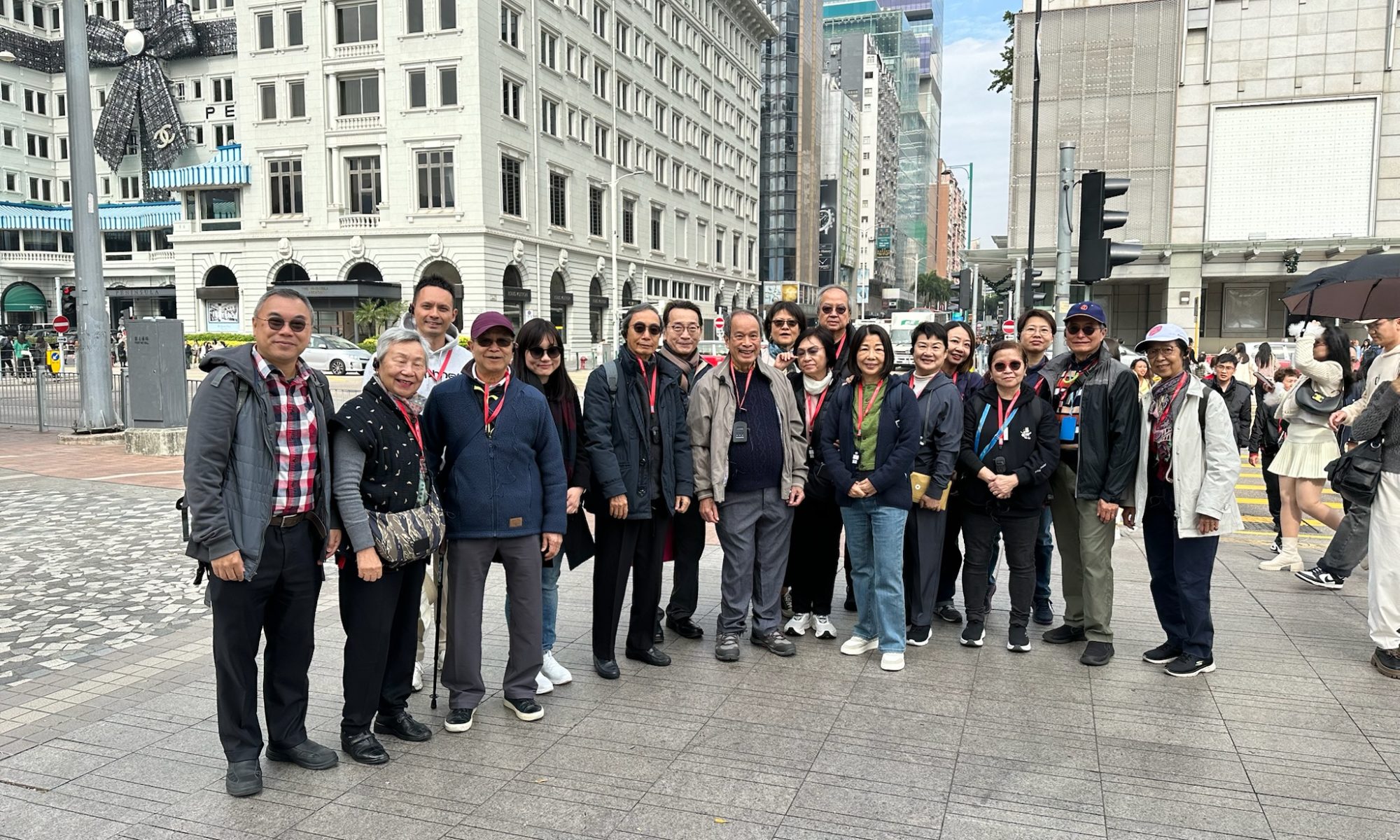
鄭寶鴻先生是著名香港歷史及掌故專家,一直以來對推廣香港歷史的普及教育不遺餘力,他將與我們一起遊走九龍半島的最南端,由尖沙咀至油麻地—水警總部、半島酒店、九龍倉、重慶市場、威菲路軍營、佐治五世公園、佐敦道碼頭、八文樓、油麻地果欄及天后廟等等。
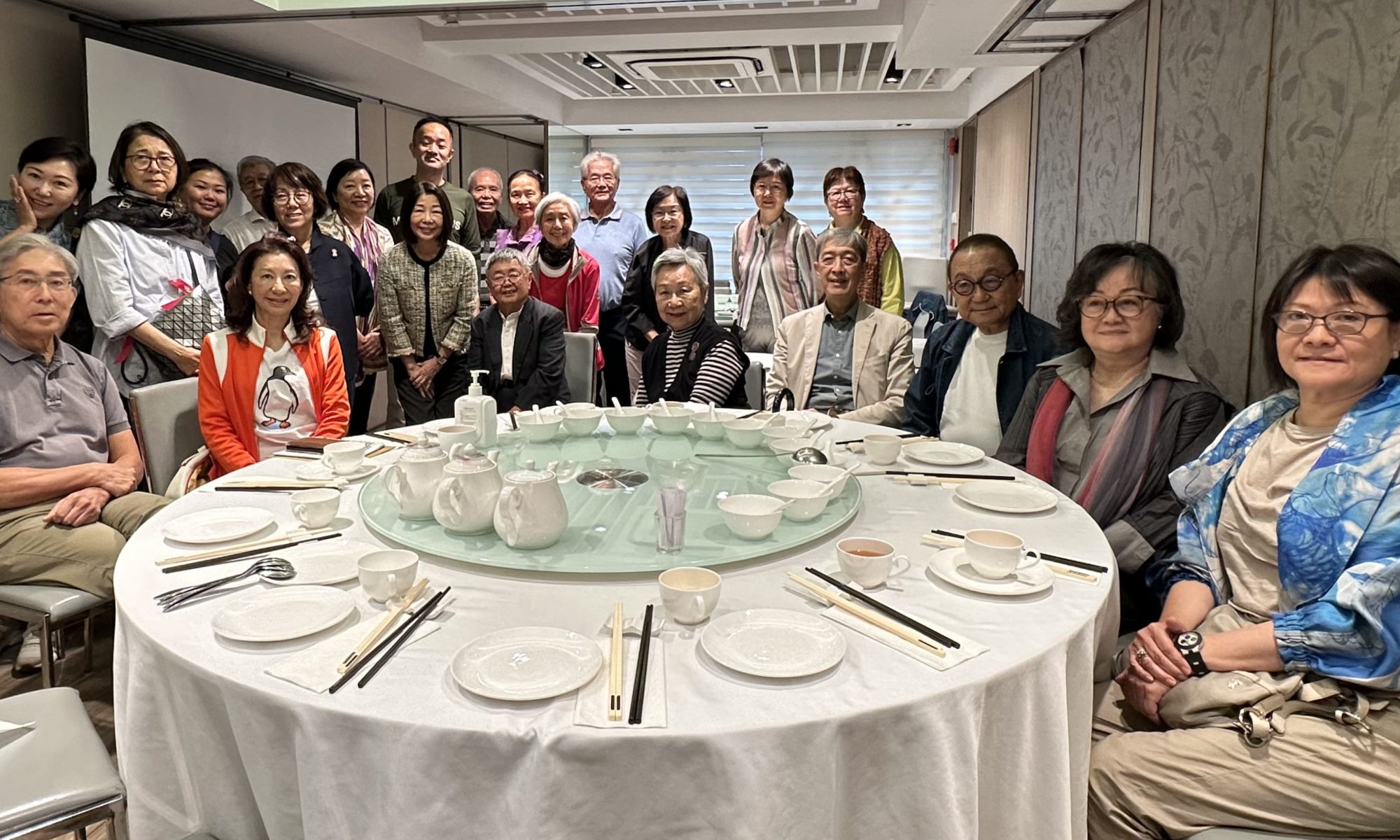
Photo Credit: Mr. Cheng Po Hung
This lecture is presented in conjunction with the Museum Society’s upcoming trip, “A Tour to Western Yunnan – Mangshi, Ruili, Tengchong & Kunming” with Professor Joseph TING Sun Pao. Members and guests are welcome to attend.
In this lecture, Professor Ting will begin with an introduction of the natural environment of western Yunnan, its historical development throughout the ages, major ethnic minority tribes in the region and their unique cultures. He will talk about the ancient Southern Silk Road as well as Tengchong’s role in the trade with Myanmar after it was opened as a treaty port in the early part of the 20th century. The main focus of the talk will be on the fierce battles conducted in western Yunnan during the War of Resistance against the Japanese.
Speaker
Professor Ting graduated with a B.A. degree in 1974, MPhil in 1979 and PhD in 1989, all from The University of Hong Kong. He joined HK Museum of Art in 1979 as an Assistant Curator II, and retired in 2007 as the Chief Curator of the HK Museum of History. He is currently an Honorary Professor of the School of Chinese, HKU and an Adjunct Professor of the History Department of the Chinese University of HK. He is an Honorary Adviser of the HK Museum of Art and Museum of History; and also a Senior Adviser of the Art Museum of CUHK. Professor Ting is an Honorary Fellow of The University of Hong Kong, Hong Kong Polytechnic University and the Education University of Hong Kong, and an Honorary Doctor of Letters from the Hong Kong Metropolitan University.
This Exhibition is sponsored by the HKUMS 30th Anniversary Endowment Fund.
Image credit:
Kurosaki Akira and Nakabayashi Tadayoshi
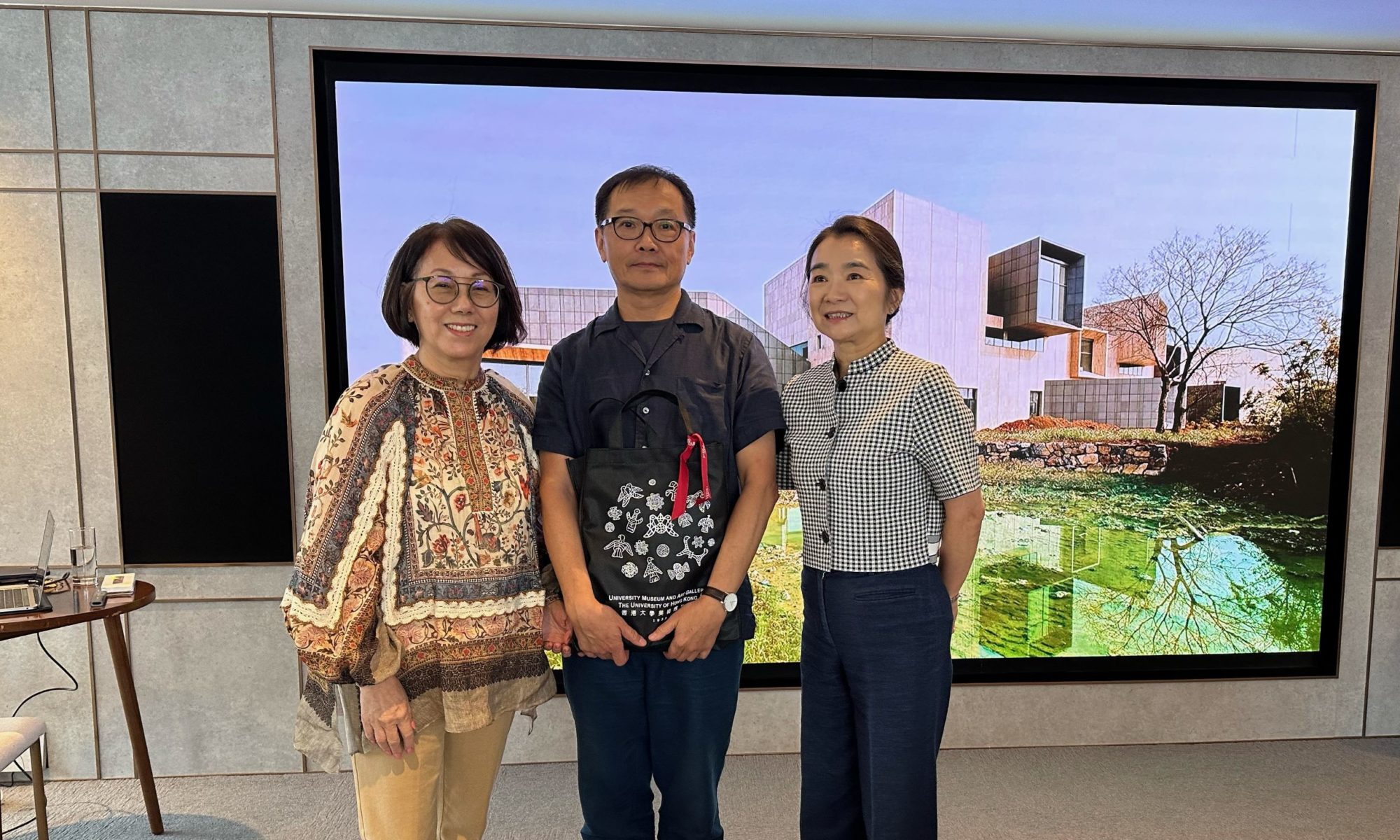
The presentation previews the architecture visit to Hangzhou in October, focusing on the projects of Wang Shu, the 2012 Pritzker Architecture Prize winner. In addition to introducing selected works of Amateur Architecture, the discussion also foregrounds the following issues that have influenced Wang’s architecture. They cover the context that shapes Wang’s thoughts, the value and methods of his design, as well as the mode of his practice.
The presentation will also include other projects in Hangzhou designed by renowned architects, including Alvaro Siza, Renzo Piano, David Chipperfield, Tadao Ando, and Chang Yung Ho.
Speaker
Professor Wang Weijen is the Director of Wang Weijen Architecture, Andrew KF Lee Professor of Architecture Design and Director of Center for Chinese Architecture and Urbanism at University of Hong Kong. Integrating architecture with landscape and urban-rural conditions, his design projects, covering schools, campuses, and community buildings, received design awards including HKIA 2022 Project of the Year, AIA Awards, HKIUD Awards and others. With research focuses on typology of Chinese Architecture and Cities, his writings and designs have been published in numerous international and regional architectural journals. He is also the Editorial Director of HKIA Journal, Curator for Hong Kong on 2018 Venice Architecture Biennale, Curator of 2007 Hong Kong Biennale of Architecture and Urbanism.
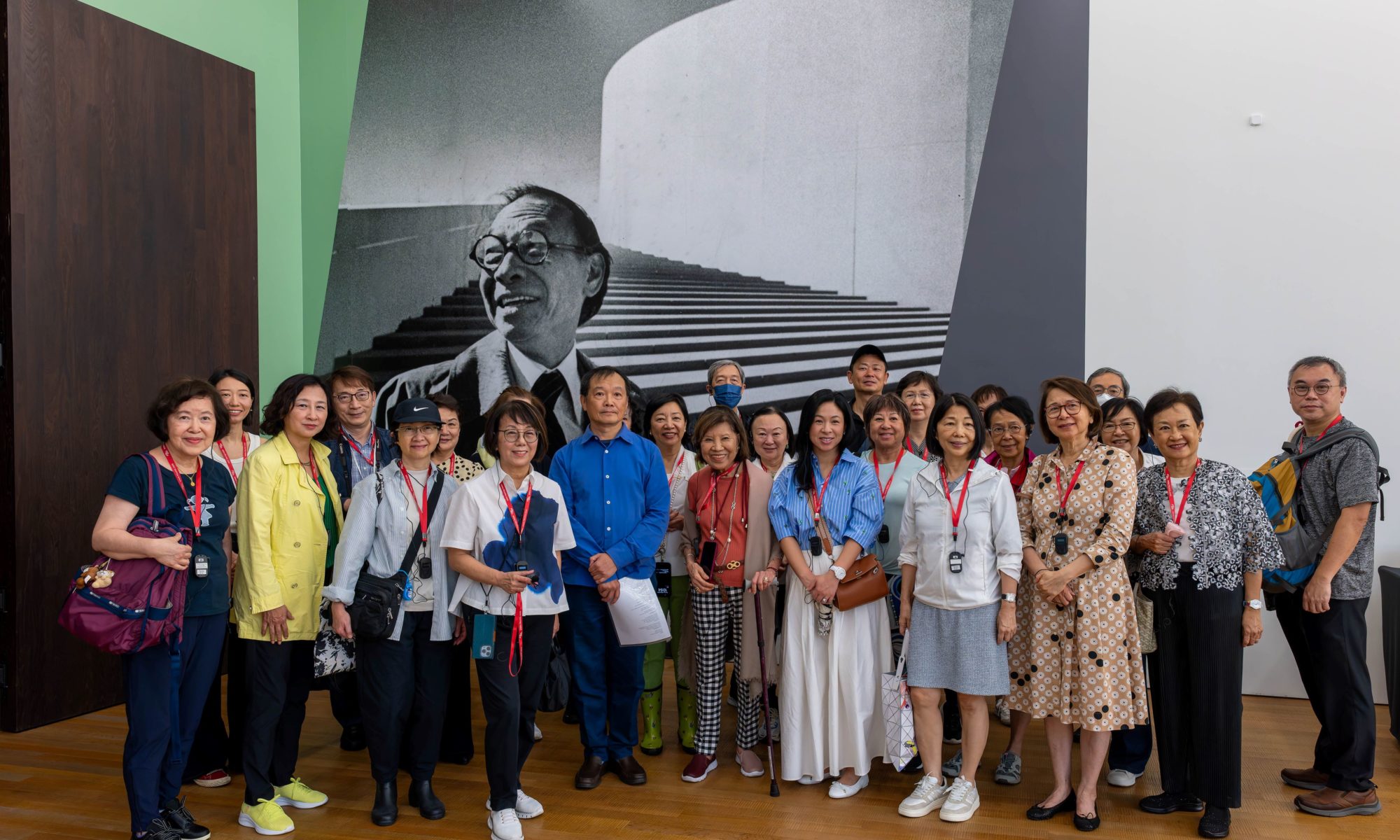
The first comprehensive retrospective exhibition of I.M. Pei (1917-2019), I.M. Pei: Life is Architecture, will examine the works of this Chinese-American architectural master in detail. Pei’s high-profile architectural projects spanned seven decades and spanned a vast area, including the East Building of the National Gallery of Art in Washington, the Grand Louvre in Paris, the Bank of China Tower in Hong Kong, and the Museum of Islamic Art in Doha. His life and career were also intertwined by power relations, complex geopolitics, cultural traditions, and various urban styles around the world, forming a splendid and rich experience. His cross-cultural vision laid the foundation for the contemporary world.
Speaker
Professor Wang Weijen is the Director of Wang Weijen Architecture, Andrew KF Lee Professor of Architecture Design and Director of Center for Chinese Architecture and Urbanism at University of Hong Kong. Integrating architecture with landscape and urban-rural conditions, his design projects, covering schools, campuses, and community buildings, received design awards including HKIA 2022 Project of the Year, AIA Awards, HKIUD Awards and others. With research focuses on typology of Chinese Architecture and Cities, his writings and designs have been published in numerous international and regional architectural journals. He is also the Editorial Director of HKIA Journal, Curator for Hong Kong on 2018 Venice Architecture Biennale, Curator of 2007 Hong Kong Biennale of Architecture and Urbanism.
More information about the exhibition can be found here:
https://www.mplus.org.hk/tc/exhibitions/i-m-pei-life-is-architecture/
Image Credit:
M+ West Kowloon Cultural District
Shawls of Paisley design were in fashion for nearly 100 years, from 1790-1880, woven and embroidered in Kashmir and Europe during that period. The Kashmir shawls, known as Jamewaars in India, were hand woven in a unique style of tapestry weaving that is now a lost art, and are considered by many to be among the most beautiful and intricate examples of textile and carpet weaving. Together with their European counterparts, these shawls and their paisley patterns have left a permanent mark on the history of textile design.
Speaker
Romi Lamba has been collecting shawls for the past 35 years in the U.S., England and India. He works in Finance and lives in Hong Kong.
Image Credit:
Asia Art Hong Kong
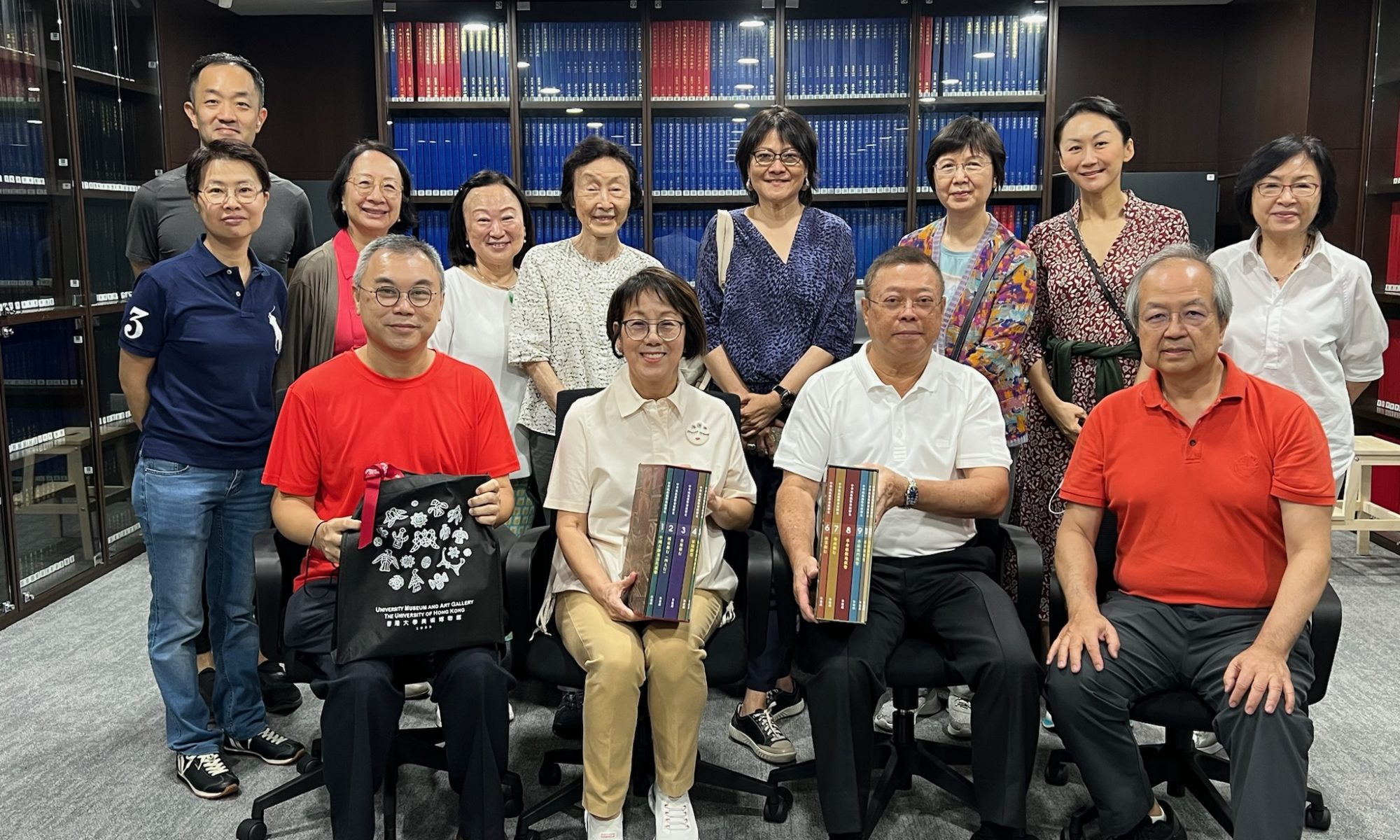
The HKU Museum Society is privileged to organise a visit to one of the largest private collections of Chinese paper currencies. Collector Mr. Norman Lin will introduce different paper currencies dating from the Yuan, Ming, Qing dynasties to the Republic of China and the New China periods. Through this collection, we can have a glimpse of the the history of modern China.
人類的發展,由野蠻至文明,從經濟角度看,就是一部貨幣史。其中紙幣的發明是重大的里程碑,標置着由「以物換物」進展到「信用」制度的確立。中國作為文明古國,是世界上首先使用紙幣的國家,時間可追溯至北宋,當時的紙幣叫「交子」,歷經元朝、明朝、清朝,至鴉片戰爭後,中國被逼開放門户,讓外國商人及銀行進駐,紙幣的發行及種類大增,以換取中國政府及民間的黃金及白銀。
早期外商銀行發行的紙幣並非精美,隨著印刷技術不斷改進,紙幣設計及用色都十分豐富,美輪美奐。民國初期已有中國的銀行委託美國鈔票公司代印紙幣。
英國是最早來到中國的外商,銀行包括上海有利銀行、印度新金山中國滙理銀行、印度新金山中國渣打銀行(渣打銀行前身)、英商香港上海滙豐銀行(香港上海滙豐銀行前身)等等,其後美資、法資、日資、德資及俄資等銀行也相繼進駐。
近代中國的紙幣史,反咉中華民族的百年滄桑。
今次巡禮將參觀資深及知名的中國紙幣收藏家林建邦先生的珍藏,林先生將介紹「元、明、清、民國、新中國」時期的各式紙幣,包括不同銀行、地區和政府的紙幣,從當中多樣的變化一窺中國近代史。
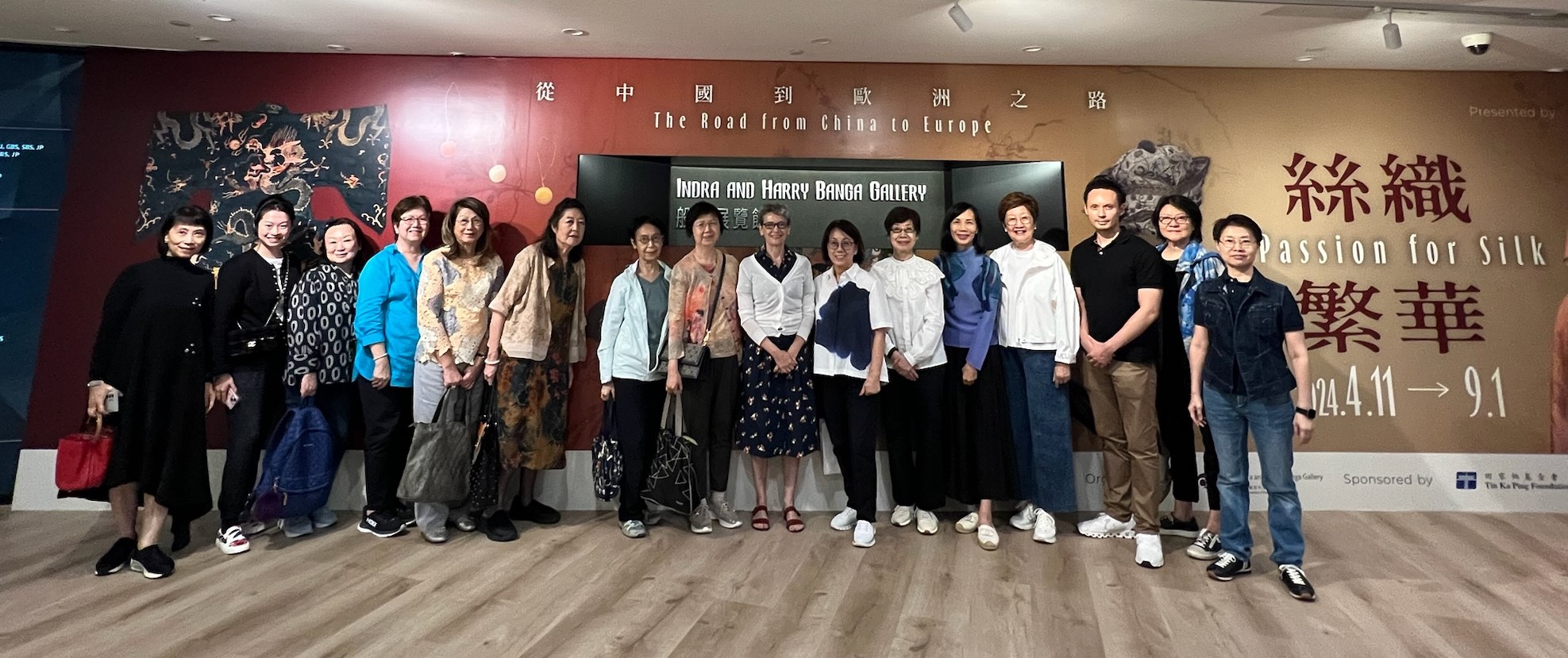
A Passion for Silk: The Road from China to Europe
The art of silk (sericulture) emerged in China in 8,500 BCE, becoming an important financial industry over the succeeding millennia. Chinese farmers cultivated silkworms and the mulberry trees, while master craftsmen and women wove and embroidered shimmering, colourful fabric. The value of silk was so high that it was used for payments like gold. Though kept a state secret, by the third century CE the production of silk had become known to China’s neighbours while India had independently developed its own silk weaving tradition. In Europe, Italy first learned sericulture in the medieval period, followed by France a few centuries later. Through technological and artistic innovations, these two countries dominated the European silk market, while Chinese silk remained a luxury item for royalty and aristocrats. The fame of Chinese silk was such that in the 19th century China’s early trade routes came to be called the Silk Road.
Just as important as silk’s financial role is its cultural, political, technical, and religious significance. The fabric’s design and usage reveal developments in art, trade, fashion, and technology (to name just a few) and expose important cross-cultural influences. With over a hundred samples of silk clothing, accessories, and furnishings from China, India, Italy and France, this exhibition provides a rare overview of the crucial cultural role played by Chinese silk making and its influence abroad. Just as important, the exhibition reveals how European silk makers adapted the Chinese methods of production and artistic styles in ways that then influenced Chinese fabrication itself in the 20th century. Silk’s continuing appeal is visible in contemporary high fashion silk creations today.
Speaker
Dr. Isabelle Frank is an independent curator in Hong Kong. After six years as the founding director of the Indra and Harry Banga Gallery, City University of Hong Kong (2016 to 2022), she continued as consulting curators until 2024. Over this period, she mounted exhibitions combining art and technology and bridging Western and Asian cultures. She has collaborated with such international institutions as the National Palace Museum, Taiwan, the Veneranda Biblioteca Ambrosiana, Milan, Latvian National Museum of Art. An art historian by training (with a Ph.D. from Harvard University), she has published on Italian Renaissance art and decorative art (The Theory of Decorative Art 1750-1940, Yale University Press, 2000), and has edited many catalogues for the Banga Gallery, most recently Hunters, Warriors, Spirits. Nomadic Art in North China (2022) and Amber: Baltic Gold (2022).
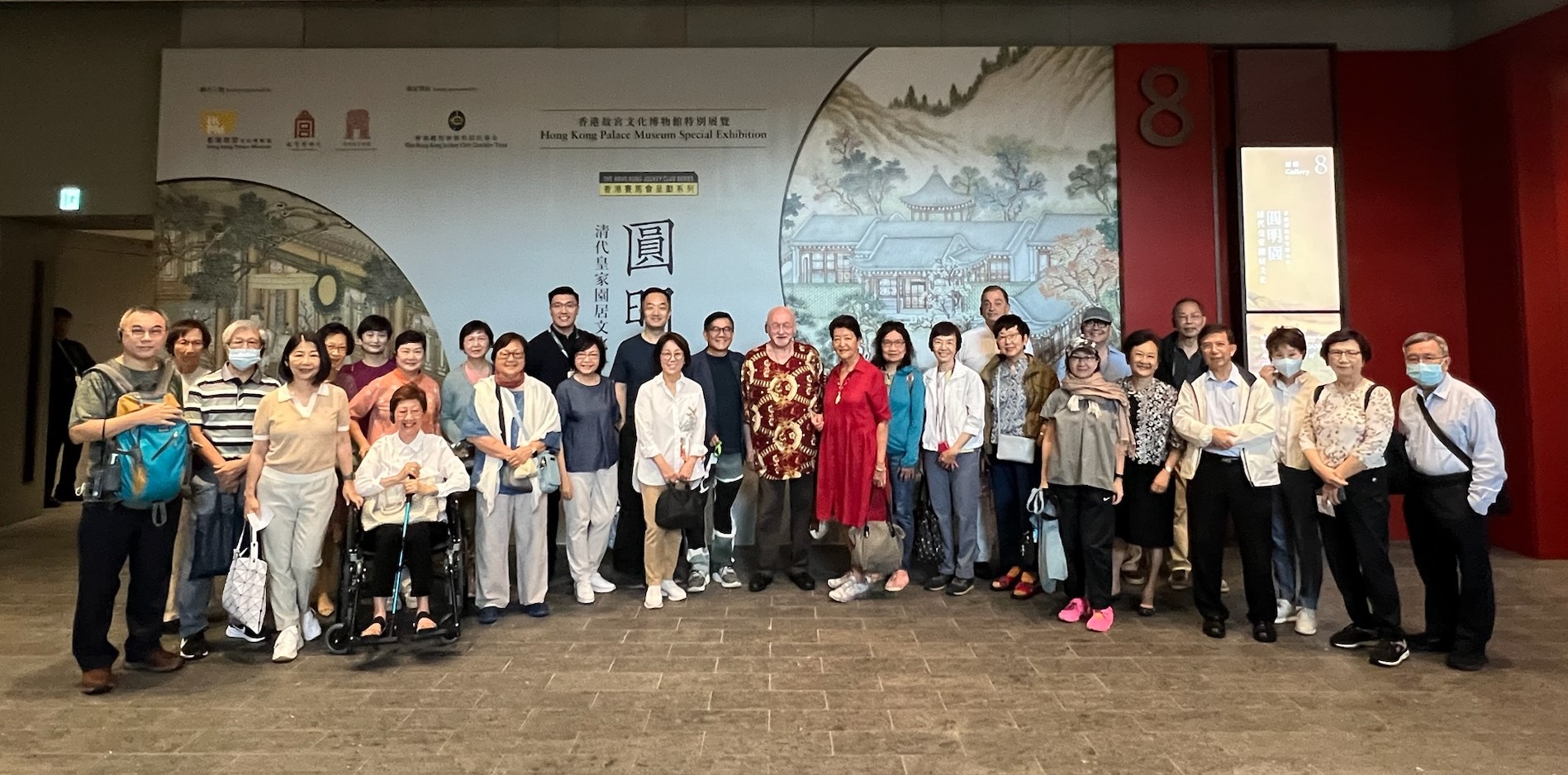
The HKU Museum Society is delighted to present a guided viewing of Yuan Ming Yuan – Art and Culture of an Imperial Garden-Palace with Prof Puay-peng Ho and Dr Xander Yang.
Shedding new light on Yuanming yuan (Garden of Perfect Brightness) by featuring over 190 spectacular paintings, architectural models, and other works associated with this once-magnificent Qing dynasty imperial garden-palace, which served as the principal residence of five Qing emperors. The exhibition highlights the garden’s space and layout, festival activities, aesthetic tastes of the emperors, and the stories about the imperial family dwelling in the garden. In this exhibition, visitors will discover the crowning achievements of imperial garden-palace design, the stories about the garden’s principal residents, and the history of the Qing imperial court.
Speaker
Professor Puay-peng Ho holds the UNESCO Chair on Architectural Heritage Conservation and Management in Asia. He is currently Professor at Department of Architecture, College of Design and Engineering at the National University of Singapore. Having close to 30 years of experience in the academia, Professor Ho’s main research interests are in architectural history and conservation practices, and how the knowledge can be translated in teaching and practice. Professor Ho is a conservation consultant, architect and adviser to some 100 conservation projects in Hong Kong and Singapore since 2003, including PMQ, Haw Par Villa, Comix Homebase, Oil Street Art Space, Court of Final Appeal, and New Campus for Chicago University Booth School. Professor Ho was also appointed to many public and private boards and committees in Hong Kong, including as Chairman of the Lord Wilson Heritage Trust, member of Town Planning Board, Antiquities Advisory Board, and currently a member of Senior Advisory Board of Global Heritage Fund and a Patron of the International Dunhuang Project of British Library.
Dr Yang Xu is Associate Curator of the Hong Kong Palace Museum. He received his doctorate in Architectural History from the Chinese University of Hong Kong. He curated the special exhibition “Yuanming yuan: Art and Culture of an Imperial Garden-Palace” (2024) and edited its accompanying catalogues. He has collaborated in curating the exhibitions “Encountering the Majestic: Portraits of Qing Emperors and Empresses” (2022), and “Odysseys of Art: Masterpieces Collected by the Princes of Liechtenstein” (2023). He is also the curatorial fellow for “From Dawn to Dusk: Life in the Forbidden City” (2022), “Qing Court in Four Seasons” (forthcoming in 2025), and other exhibitions. Prior to joining the Hong Kong Palace Museum, he held the positions of Postdoctoral Fellow at the National University of Singapore, and Assistant Curator at the National Museum of China. His research and curatorial expertise include traditional East Asian architecture, Chinese garden and landscape, and court arts. He has published in journals including Cultural Relics, Architectural Journal, Palace Museum Journal, Orientations, etc., and is acting as a co-advisor for the graduate advisory board at the School of Architecture, Tianjin University.
Photo Credit:
The Daoguang Emperor with his sons and daughters
Courtesy of Hong Kong Palace Museum
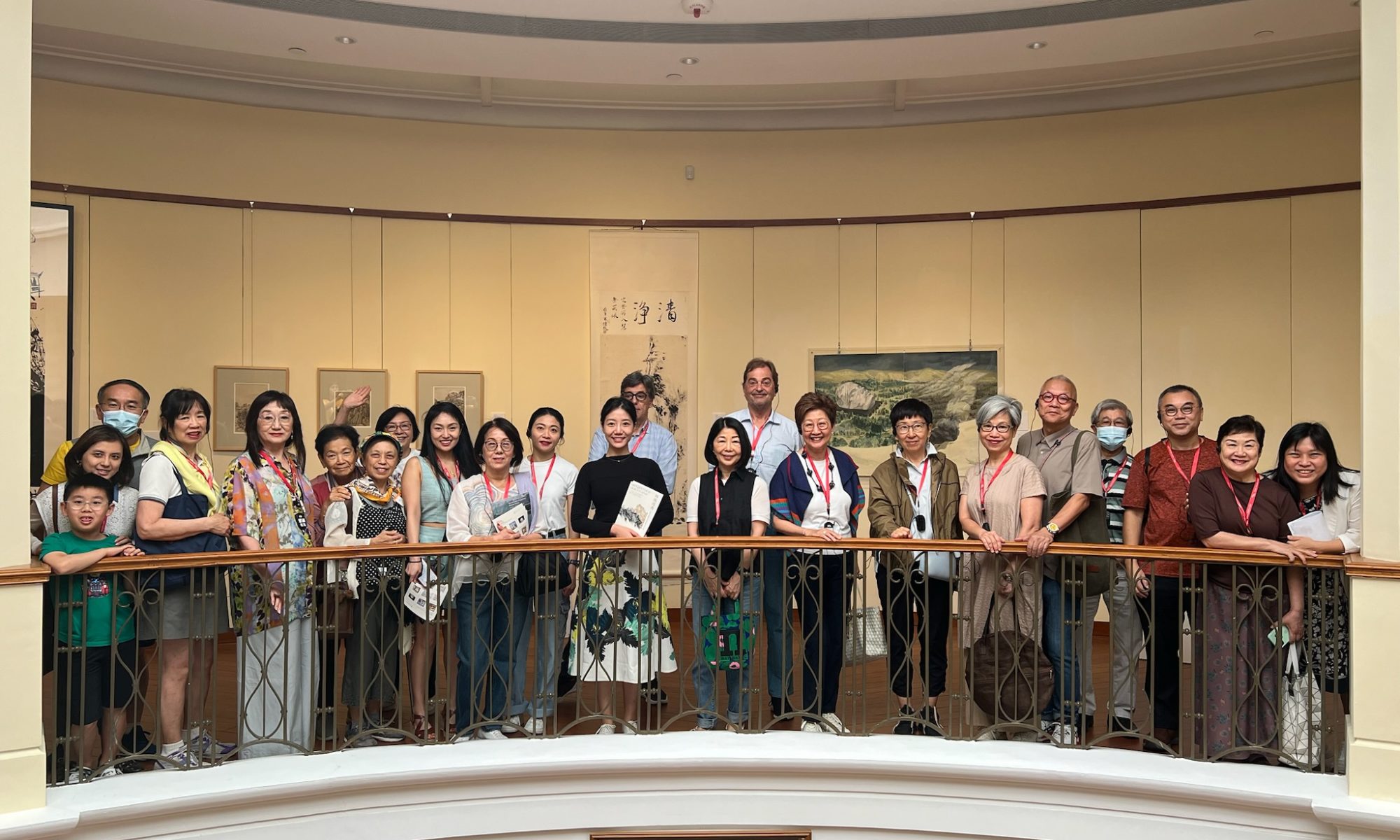
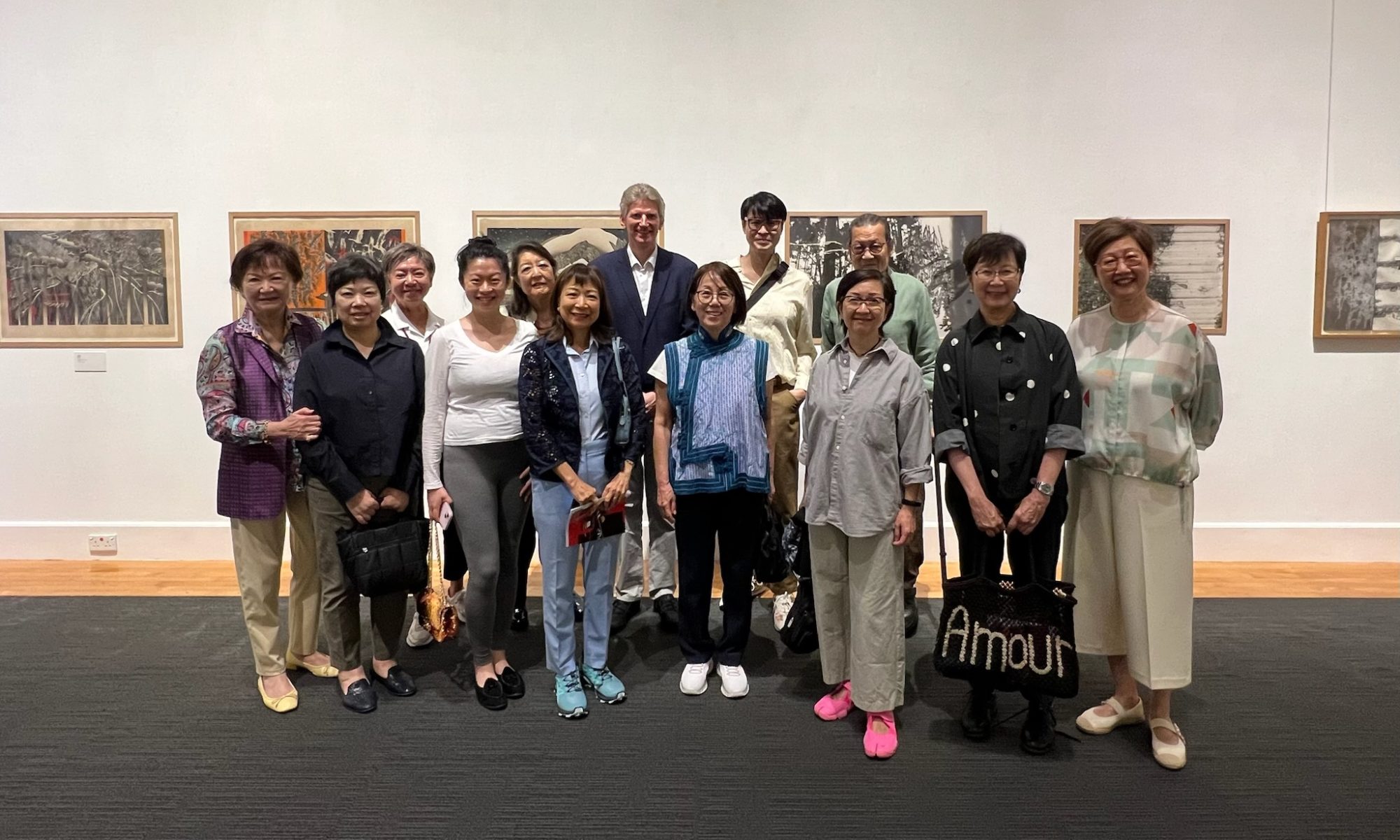
The first exhibition Momentous Mountains invites visitors to immerse themselves in the captivating world of Chinese landscape paintings from the collection of the UMAG, HKU. This series of paintings spans from the early Qing dynasty (17th century) to contemporary times, representing the depth and virtuosity of the development of Chinese landscape paintings, extending from the orthodox Four Wang Masters of the early Qing, the Nanjing School, the Jiangxi School and the Shanghai School of Chinese paintings. Rarely displayed in public, the paintings include iconic works by renowned 20th-century masters and influential art educators—such as Liu Haisu (1896-1994), Fang Zhaoling (1914–2006), Wan Qingli (1945–2017) and Wesley Tongson (1957- 2012)—and other outstanding contemporary artists who trained in the leading Eastern and Western art academies.
The second exhibition Abstract Evolutions: Sixty Years of Paintings by Fong Chung-Ray, a distinguished Chinese American painter who is best known for his unique abstract art style, one which explores new directions for Chinese paintings. Fong was born in Henan province and he received his formal art training at the Cadre College of Arts and Crafts in Taiwan. The significance of Fong Chung-ray’s artistic oeuvre lies in his contribution both to the global art scene and the representation of Chinese artistic traditions in late twentieth- and early twenty-first-century California. As an ambassador for art, he has played a crucial role in fostering cultural exchange between China and the West, and his artworks have introduced richly diverse artistic traditions, techniques and themes to international audiences, promoting a deeper understanding and appreciation of Chinese culture.
Speakers
Dr. Shou Hua received a BA from the University of Pennsylvania and a PhD from the University of Hong Kong. She was a visiting PhD fellow at the Cluster of Global Art History, University of Heidelberg. Her research centres on modern East Asian paintings, art market studies and exhibition history in a cross-cultural context.
Dr. Sarah Ng is a historian of visual arts and material culture specializing in late imperial Chinese painting, calligraphy and ink rubbings. She is the curator of the Hong Kong University Museum & Art Gallery (UMAG). The relationship and reinterpretation of the Chinese tradition in contemporary art practice is her primary area of scholarly interest. Her work also addresses collecting, connoisseurship, canon formation, workshop practices, art conservation, museum studies and bookplates. She lectures on these subjects and other areas of expertise internationally.
Image Credit: Courtesy of UMAG
Summer Mountains WAN Qingli (1945–2017) 1995 L 90.5 x W 175 cm Ink and colour on paper Gift of WAN Qingli HKU.P.2002.1451
Fong Chung-Ray 1983-4 Acrylic on Canvas 91×121.5