Divinity and Aesthetics: National Treasures around Lake Biwa – A Cultural Tour to Japan with Prof. Puay-peng Ho

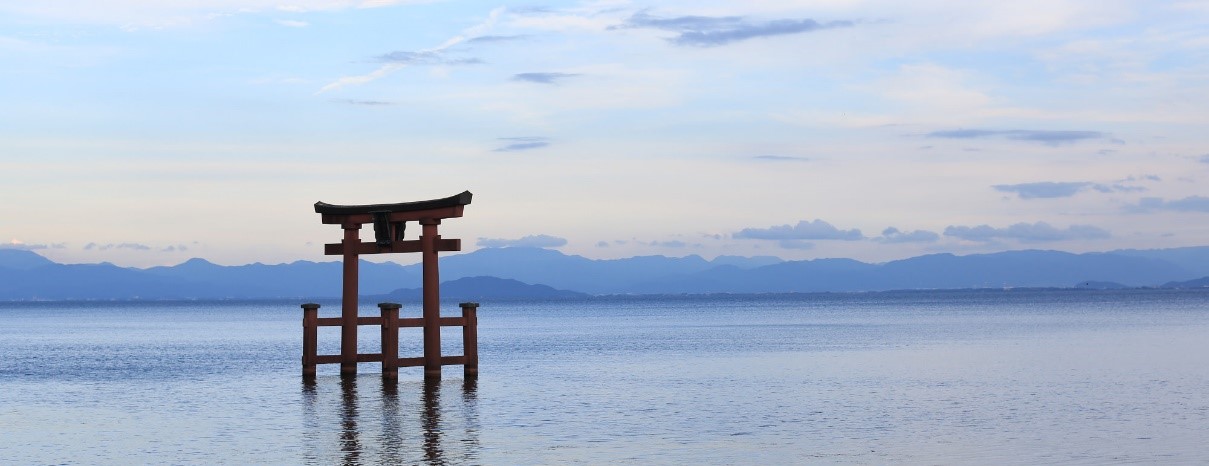
Apart from the cosmopolitan centers of the Kansai関西 region, such as Nara奈良, Kyoto京都, and Osaka大阪, there are many significant sites that are crucial to the understanding of the development of Japanese religious practices, architectural constructions, and sculptural forms. We will travel from one of the three main shrines dedicated to Benzaiten in Tsukubusuma Shrine on Chikubu island竹生島, to one of the most important medieval pilgrimage centers on Mount Yoshino吉野山. In between, we will visit Buddhist sites that contributed significantly to the development of Buddhism. The area of Nagahama長浜 is known as the land of Kannon 観音之里 with many statues of the merciful bodhisattva in different attributes designated as National Treasures. Likewise, the area around Ōtsu大津 has many monasteries related to the Tendai School of Buddhism 天台宗, among which Miidera contains a large number of buildings and sculptures that are highly valued, being the ancestral monastery for the major sect of Tendai. Modern architecture is certainly a crucial aspect of cultural continuity and we shall be able to visit works by Tadao Ando and Takenaka Corporation to see how traditional construction and spatial sensibilities are expressed in the contemporary language. The highlight of the tour is a visit to Miho Museum, the Shinji Shūmeikai 神慈秀明会campus and the chapel of Miho Institute of Aesthetics, which contains some of the best and latest of I M Pei’s architecture. This would be a rare opportunity to visit the campus and the Miho Institute to appreciate the spatial and spiritual continuum between architecture, nature and the divine.

– Professor Puay-peng Ho

A Mid-Autumn Night’s Dream – “Dancing along the Douro” – A Gastronomic Wine Tour of Spain & Portugal with Mr. Wilson Kwok

Overview:

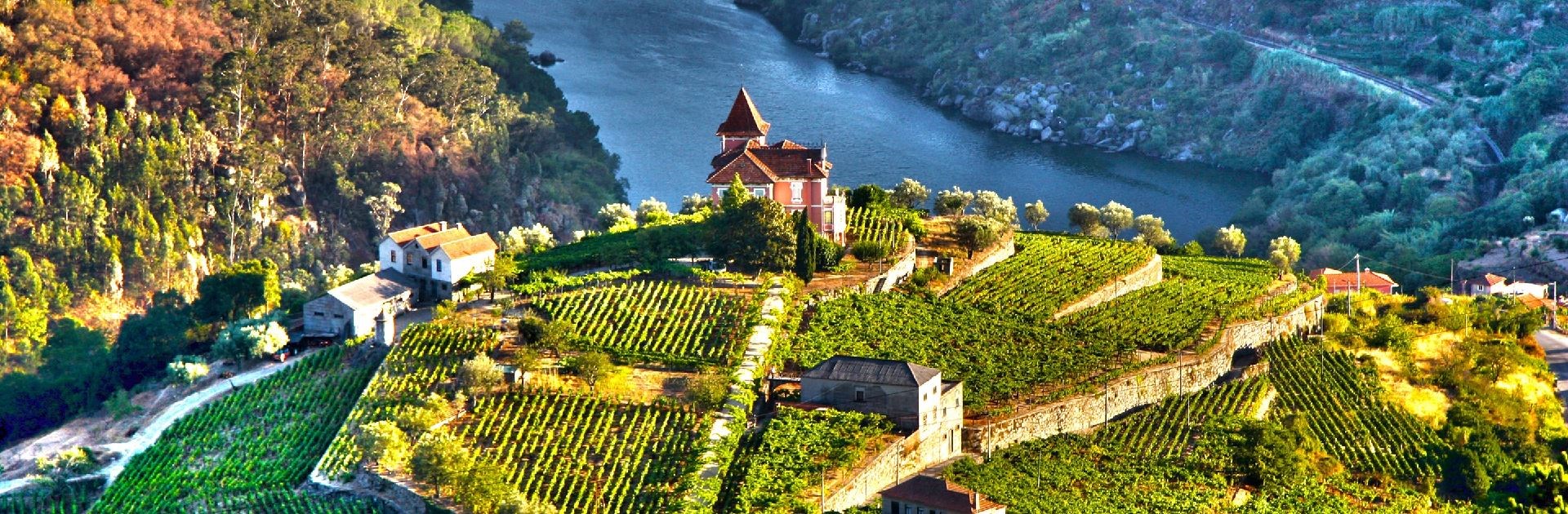
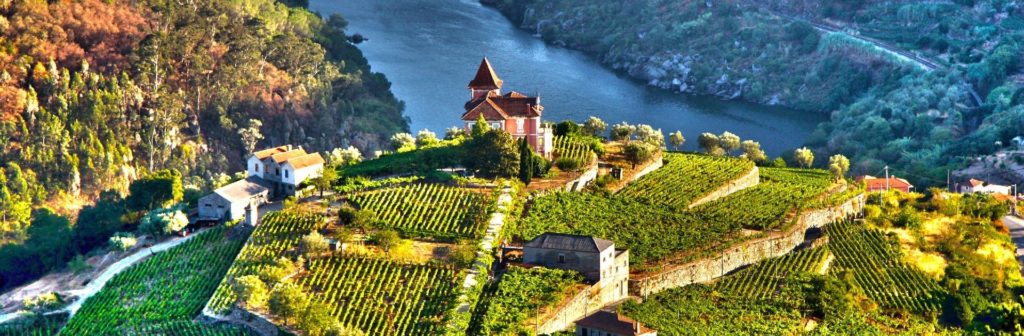
The magnificent Duoro River gives shelter to some of Spain’s greatest wine regions. Originating in the Castilla y Leon region of Spain, it cuts across northern Portugal to its outlet at Porto. Spain’s top quality red grape, the Tempranillo is planted along the verdant banks of this remarkable river, called the Rio Duero by its countrymen.

Along with being the third largest wine producer in the world, Spain also has the most land dedicated to vineyards, over five million acres. Grapes are grown throughout its every region, including the highly respected Rioja and Ribera del Deuro varieties.

Roughly translated as “river of gold”, the Rio Duoro enters Portugal where its landscape, the enchanted Douro Valley has been designated a UNESCO World Heritage site for both its dramatic beauty and its long history of wine-making.

Bounded by a long tradition, the Portuguese winegrowers have kept faith with their own 250 indigenous grape varieties, producing very unique, delightfully different flavors. It is no wonder why many wine experts call Portugal the last frontier of wine in Western Europe!

The University of Hong Kong Museum Society is pleased to present its sixth gastronomic wine tour, as part of its wine tour series. As we trace the Douro River, we will explore the Ribera del Duero and Rioja wine regions of Spain and the Douro, Bairrada and Alentejo regions of Portugal. Together with internationally renowned food and wine connoisseur, wine judge and educator, Mr. Wilson Kwok, we will visit top Spanish wine producers such as Pago de los Capellanes, and Marques de Riscal along with important Portuguese wineries such as Quinto do Cotto and Luis Pato Winery.

Our gastronomic adventure will showcase local specialties in highly rated establishments such as Marques de Riscal (Michelin 1 star) in Rioja, Spain and DOC on the banks of the magnificent Duoro in Portugal, as well as within the more intimate surroundings of family-owned wineries. At each stop, we will learn to pair the particular wines of the region with Wilson’s carefully selected menus.


Resource Person

Wilson Kwok has one of the most impressive resumes in the food and wine industry in Hong Kong. Holding a Master’s Degree of Enology at the University of Bordeaux, France as well as a Grand Diploma from the Cordon Bleu de Paris, in France, he was knighted by the French Government as Chevalier de L’Ordre du Merite Agricole for his outstanding contribution to French cuisine and wine. He has served actively as a judge in wine competitions since 1994. In 1996 he became the first in Asia to be invited to be a Member of the Jury for the prestigious wine competition, the Citadelles du Vin which is held in Bordeaux every year. In 2000 he won the Sommelier of the Year in Hong Kong on Australia Wines.

As managing director of the W’s Group, Wilson also oversees the running of his flagship restaurant, W’s Entrecote. He has published a number of cookbooks (bilingual Chinese and English) as well as contributed columns to a number of monthly journals including “Wine Now” Monthly Magazine (Chinese) as well as in the South China Morning Post. Wilson advised as well as co-hosted TVB Jade’s 6 episode series, “Wine Confidential”. More recently in October 2010, Wilson released in his own voice the first volume of an audio set of four wine glossary references spoken in six languages.

Since 2010, Wilson has taken members of the HKUMS on gastronomic wine adventures to Bordeaux, Burgundy, Champagne, Tuscany, Piedmont, and most recently, to Alsace and the Rhine Valley.
Exploring Built Heritage in Northern Shanxi 探索晉北古建築之旅 with Dr. Joseph Sun Pao Ting 丁新豹博士

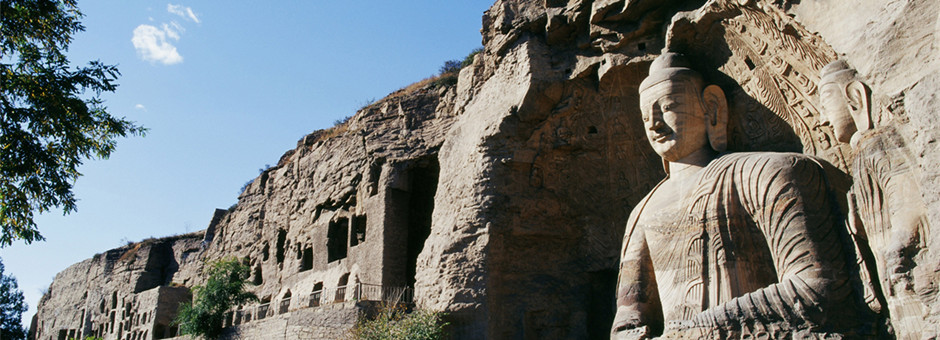
Shanxi province is well known for its rich historical and cultural heritage. Shanxi has at present a total of 4,296 gazetted national monuments, of which 452 items are in Shanxi province, including some of the oldest and finest built heritage in China. This trip will bring us to northern Shanxi where some of these magnificent buildings are found, including the Foguang Temple 佛光寺 and Nanchan Temple 南禪寺 in Mount Wutai 五台山, the Wooden Octagonal Pagoda of Yingxian county 應縣木塔, the Jin Ancestral Hall in Taiyuan 晉祠, the Hanging Temple 懸空寺 in Hunyuan county, and above all, the Yungang Grottoes 雲崗石窟 at Datong which is now a World Heritage.

Historically, northern Shanxi lies at the border between nomadic tribes from Mongolia and the agrarian Han Chinese. The Great Wall running along the northern border of the province protected the land from the aggressive nomads. We will visit Yanmenguan 雁門關, one of the major fortified gatehouses along the Great Wall. We will also visit the Shanxi Provincial Museum 山西省博物館 at Taiyuan to study the unique collections of archeological finds which shed light on the origin and development of the culture of this part of northern China.

– Dr Joseph Ting

A Tour of Italy from 29th March to 7th April, 2018 with Prof. Puay-peng Ho

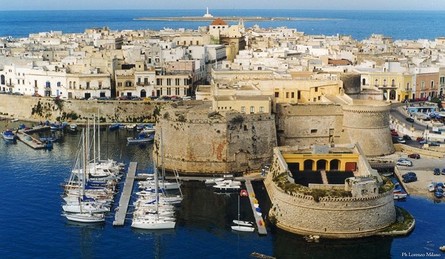
An incredible interweaving of races, civilizations and systems of government; an interesting fusion of customs and cultures; an amazing ever-changing landscape with stunning coastlines, whitewashed hill towns, citrus groves and turquoise seas are the attractions on this enchanting journey from Naples to the wonders of Puglia.

Naples, the capital of the Campania region, is Italy’s third largest municipality after Rome and Milan. Neápolis, the “new city” of the ancient Greeks, became the resplendent capital of Southern Italy which is still known as Magna Graecia today, as it was in ancient times. Greek settlements were established in the area since the second millennium BC. In the 6th century BC, Naples played a key role merging Greek culture into Roman society, eventually becoming a major cultural centre of the Roman Republic. It remained influential after the fall of the Western Roman Empire, serving as the capital city of the Kingdom of Naples from 1282 – 1816. By the 17th century, Naples had become Europe’s second largest city after Paris and the largest Mediterranean city with a population of around 250,000. It was a major cultural hub during the Baroque era and was home to artists, philosophers and writers. The classical world was in vogue following the rediscovery of the remarkably intact Roman ruins of Pompeii and Herculaneum and Naples went through a period of Neoclassicism. At the turn of the 20th century, “Liberty Napoletano”, a local version of Art Nouveau, developed in the city. Having long been a centre of art and architecture, Naples is dotted with Medieval, Baroque and Renaissance churches, castles and palaces. Covering an area of over 720 hectares, the sprawling Historic Centre of Naples was designated a UNESCO World Heritage Site in 1995. 

Magna Graecia, a term coined by the Romans, refers to the coastal areas of Southern Italy which were colonized by various ancient Greek citystates from the 8th to 5th centuries BC. Greek colonists selected the area due to the fertility of the land and its geographical position along the trade route of the Greeks, Etruscans and Phoenicians. During the late 5th century BC, there was increasing conflict with indigenous communities, in particular, the Oscan tribes based in the Apennine Mountains. As these peoples gradually migrated into the fertile plains, they became greatly influenced by the Greek political system of the polis or “city-state.” They readily adopted the polis model with its judicial, cultural and social structure, as well as the art, architecture, religion and even the language of the Greeks. In the following centuries, the settlements gradually came in contact with Rome and by 89 BC, all the cities of Magna Graecia were completely under Roman control. 

Resource Person 
Professor Puay-peng Ho is currently the Head of the Department of Architecture at the National University of Singapore. Previously he was Professor of Architecture at The Chinese University of Hong Kong. He received his First Class Honours degree in Architecture from the University of Edinburgh and a Ph.D. in Art History from the School of Oriental and African Studies, University of London. His thesis was focused on Buddhist art and architecture of the Tang dynasty. Dr. Ho is a member of the Royal Institute of British Architects and the Society of Architectural Historians. His research interests and publications are in the areas of Chinese art and architectural history, vernacular architecture, and architectural theory. 

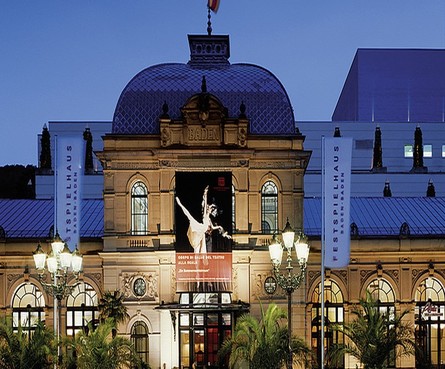
The Baden – Baden Festival’s 20th Anniversary: Russian music stars and Royal families – a trip to the Black Forest

HKU Museum Society is delighted to present a fundraising trip to Baden-Baden for our 30th Anniversary Endowment Fund. 

The Festival Hall Baden-Baden is turning twenty and will be presenting its audience with the very finest classical artists and timeless masterworks for its 2017/2018 anniversary year. 

Our program will feature the best of opera and concert: Adriana Lecouvreur (Music Director: Valery Gergiev) with Anna Netrebko in the title role. Celebrated Russian director Valery Gergiev will also conduct Rachmaninoff with young star Daniil Trifonov on the piano. 

Participants will also enjoy impressive views on several stops along the Schwarzwald Hochstrasse, covering the oldest, best known and perhaps even the most beautiful scenic route in the Black Forest. 

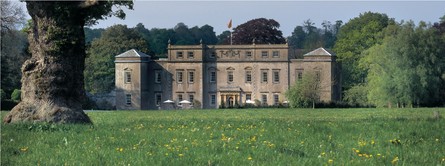
Fine English Art & Architecture – London & Somerset

England’s greatest cultural achievement, the place where its creative genius most truly flowered, is the country house – a living showcase for the architectural and artistic legacy of the nation’s grandest patrons. This tour, taking in both London and the delightful West Country, gives a unique insight into how the aristocracy lived both in town and country. After three days enjoying the unrivalled cultural riches of London we base ourselves at luxurious Ston Easton in Somerset, from where we venture out on excursions to country estates great and small and enjoy private hospitality – and musical recitals – in England’s two most delectable cathedral cities.

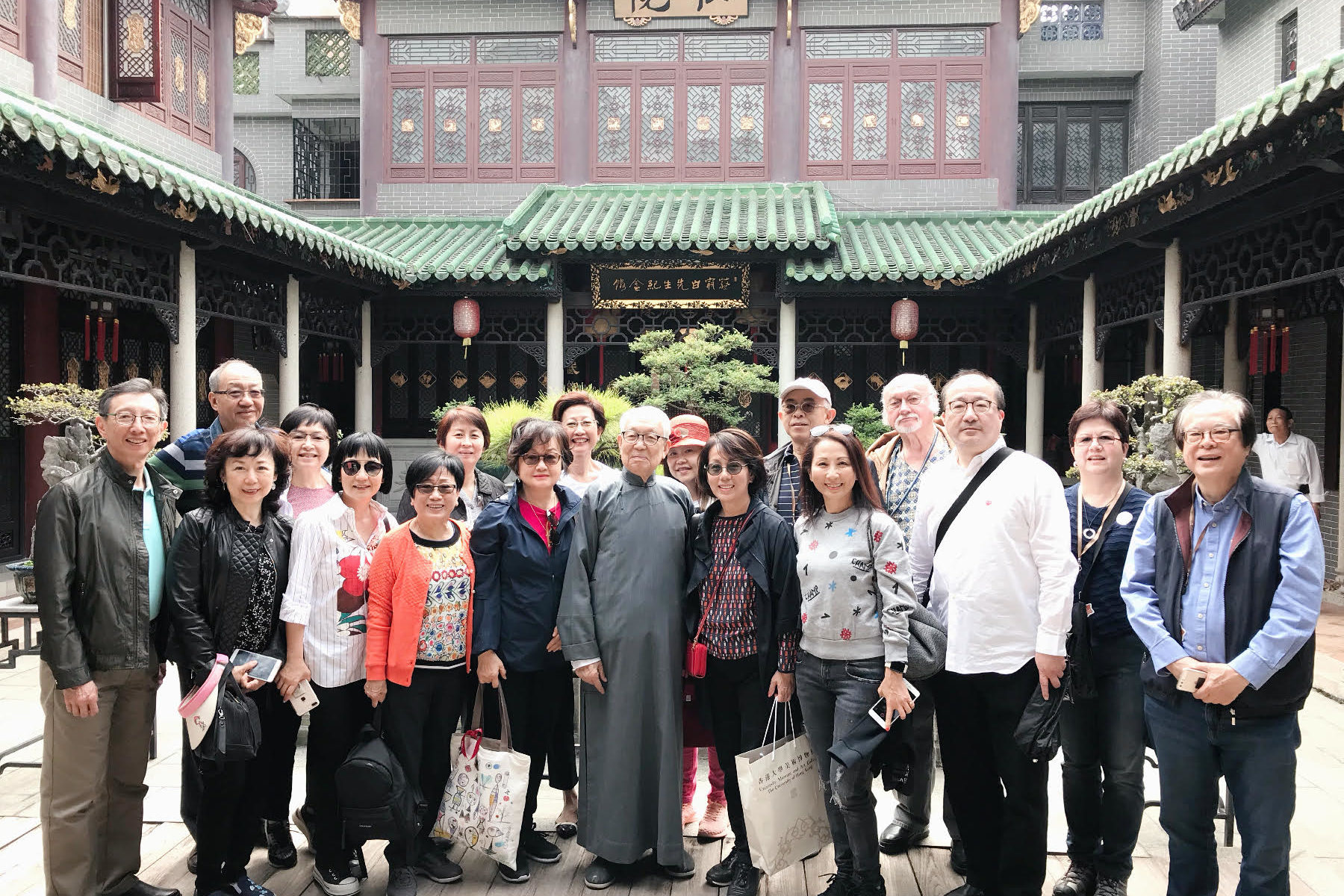
A Culinary & Cultural Weekend to Shunde 順德

HKU Museum Society is delighted to present a fundraising trip for our 30th Anniversary Endowment Fund to Shunde, one of the cradles of Cantonese cuisine. Situated at the core of the Pearl River Delta, with Guangzhou to the north and Hong Kong to the south, Shunde’s outstanding natural environment, lively cultural scene, prosperous economy and renowned culinary arts academies provide particularly favorable conditions for the development of a gastronomic culture and industry. In 2014, Shunde joined the UNESCO Creative Cities Network as the city of gastronomy.

Apart from enjoying different restaurants that offer unique taste of Cantonese cuisine, we will also explore the Lingnan culture (嶺南文化) through the visits to cultural and natural heritages in Shunde. Members will be welcomed as special guests to a private tour at Fung Shui (風水) master Choi Park-Lai’s ancestral home.

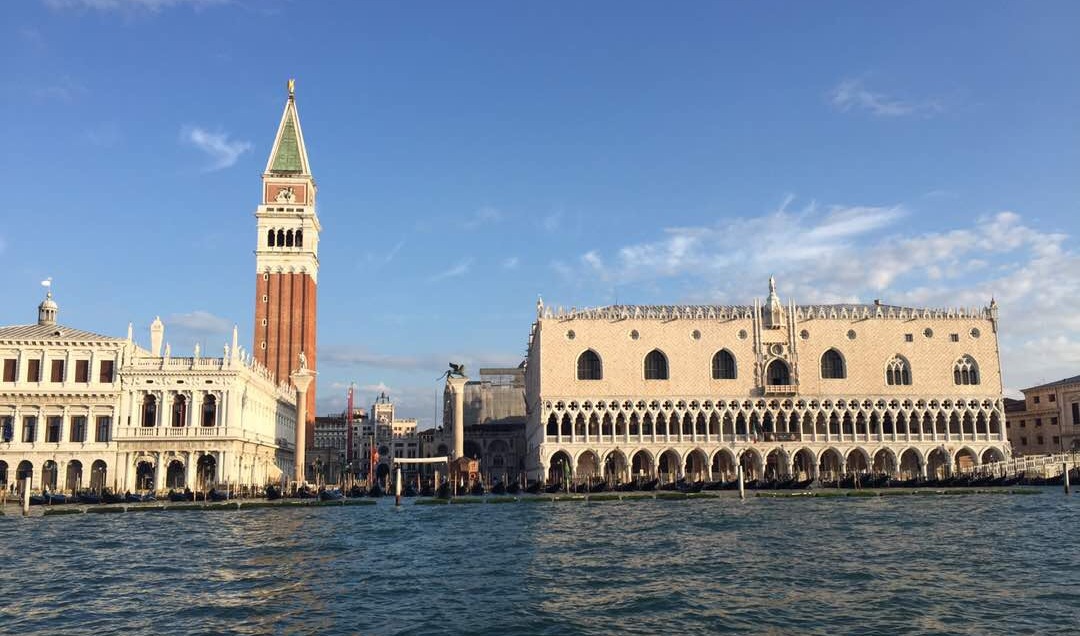
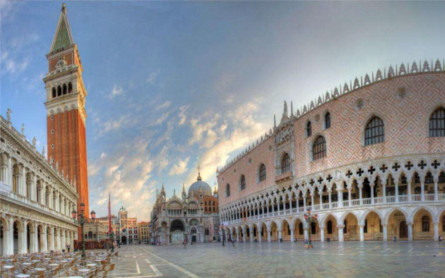
Venice Biennale and the Villas of Veneto, between Contemporary Art and Palladianism

HKU Museum Society is delighted to present a fundraising trip for our 30th Anniversary Endowment Fund.

This tour has been tailored for The University of Hong Kong Museum Society, a private and exclusive journey for an unforgettable experience.

Participants will start their journey in Venice to attend the 57th edition of the Biennale and to discover the hidden gems of the lagoon and the traditions of Venice and its canals.

After a few days in the magic of Venice, guests will visit the surroundings of the Veneto region, having the theme Palladio and his majestic influence on the art and architecture of the region in the 16th century.

A Weekend of Architecture, Music, Art and Gastronomy In the Heart of Taichung

The University of Hong Kong Museum Society presents a weekend in Taichung, a city with a profound cultural heritage. The highlight of this tour features Toyo Ito’s “great” creation, the National Taichung Theatre. Coinciding with this visit to the world class performance space, we are pleased to present an avant-garde international performance of an opera “Die Walküre” by Wagner.

Members will enjoy three art viewings specially organized by art collector Mr. Leo Shih – an important exhibition of Zao Wou-ki’s paintings at the Asia Museum of Modern Art, an exhibition of contemporary Japanese artist Suda Yoshihiro’s works at the Yu-Hsiu Museum of Art, and a home visit to Shih’s private art collection.

To savour the art of gastronomy, we will dine at the internationally recognized Le Moût Restaurant located at the heart of the city. In between, we will explore different restaurants that offer unique taste of Taiwanese cuisine.

Venice Biennale and the Villas of Veneto, between Contemporary Art and Palladianism

HKU Museum Society is delighted to present a fundraising trip for our 30th Anniversary Endowment Fund.

This tour has been tailored for The University of Hong Kong Museum Society, a private and exclusive journey for an unforgettable experience.

Participants will start their journey in Venice to attend the 57th edition of the Biennale and to discover the hidden gems of the lagoon and the traditions of Venice and its canals.

After a few days in the magic of Venice, guests will visit the surroundings of the Veneto region, having the theme Palladio and his majestic influence on the art and architecture of the region in the 16th century.