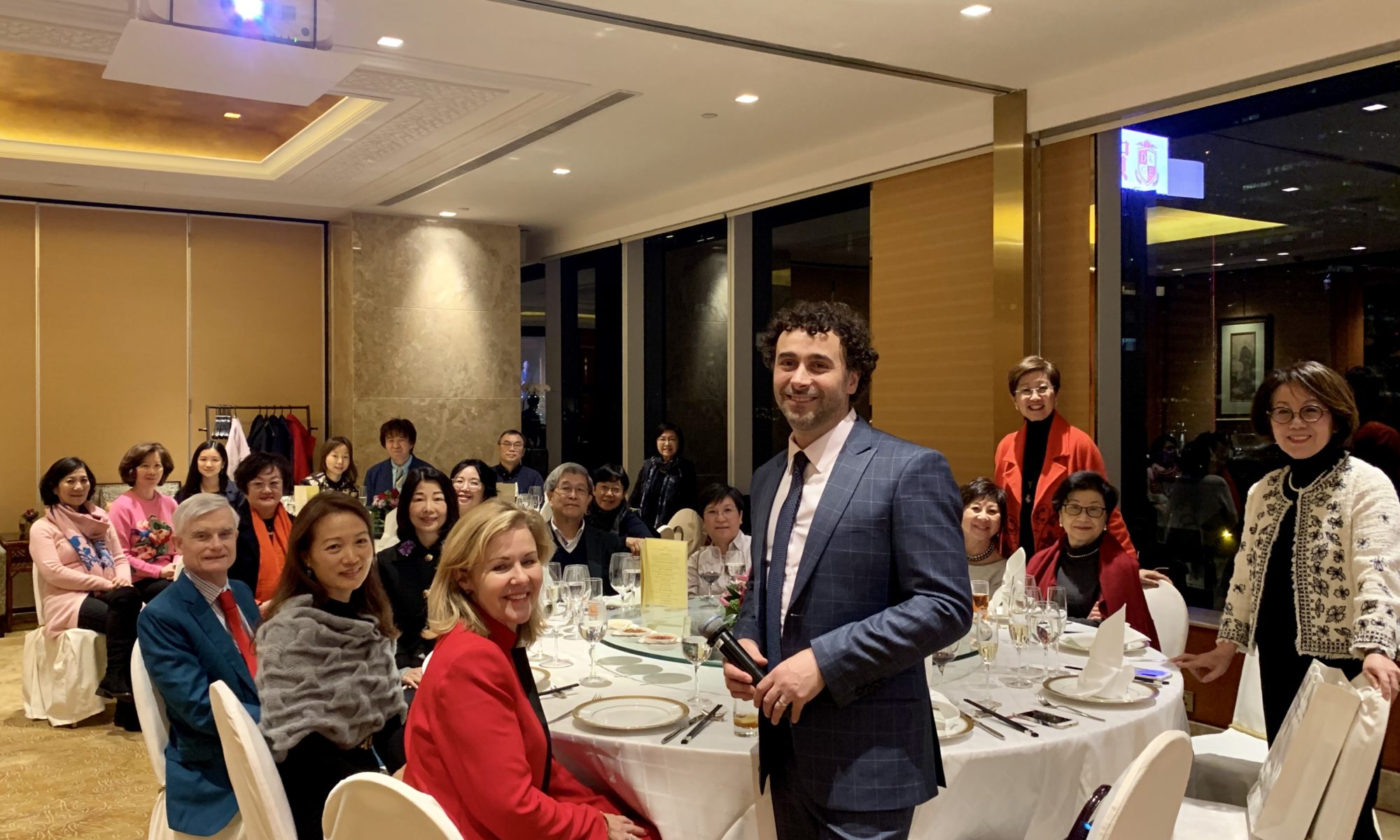
Dinner Talk: “Contemporary Royal Portraiture” with Ralph Heimans

The HKU Museum Society is pleased to present a very special dinner talk featuring Australian-born artist Ralph Heimans. The only artist chosen to paint an Official portrait of The Queen in Her Diamond Jubilee Year, the work received widespread international acclaim when it was unveiled at the National Portrait Gallery of Australia in 2012, drawing record numbers of visitors to the Gallery. In a rare act of acquisition, it now forms part of the permanent collection of Westminster Abbey, where it will serve as the centrepiece of the Triforium Gallery on the upper level of the Abbey.

The talk will focus on the artist’s unique contribution to contemporary Royal portraiture. He will discuss the inspirations and ideas behind his celebrated portraits of The Queen, The Duke of Edinburgh and the soon to be released portrait of The Prince of Wales, along with other works for the British and Danish Royal family. The artist will explore the historical tradition of this ancient and fascinating genre of art, as a means of highlighting where he has sought to push the boundaries of Royal portraiture for a contemporary audience.

Speaker

Ralph Heimans is amongst a new generation of Australian portraitists. He was first recognised in 1987 when, aged seventeen, he won the National Art Award. Since then he has completed a degree in Fine Arts and Pure Mathematics at Sydney University and studied at the Julian Ashton Art School.

Heimans’ large-scale portraits are renowned for their innovative compositions that offer engaging narratives about his subjects and their life stories. His sitters include extraordinary individuals who have made a significant contribution in the fields of arts, academia, law, business, politics and philanthropy. Their portrayals are informed by a creative integration of subject and context. Figures are placed in complex spatial arrangements, underpinned by an innovative use of geometry, reflection and perspective. His technical approach pays homage to the 17th Century masters of chiaroscuro, exploiting exquisite effects of light, which appear to illuminate the inner world of his subjects.

Heimans’ works are held in major international collections including Westminster Abbey, The Royal Collection, The National Portrait Gallery in Washington, The National Portrait Gallery of Australia, The National History Museum of Denmark, Australia’s Parliament House and The European Court in Luxembourg. In 2014 he was awarded an Order of Australia for services to portraiture.
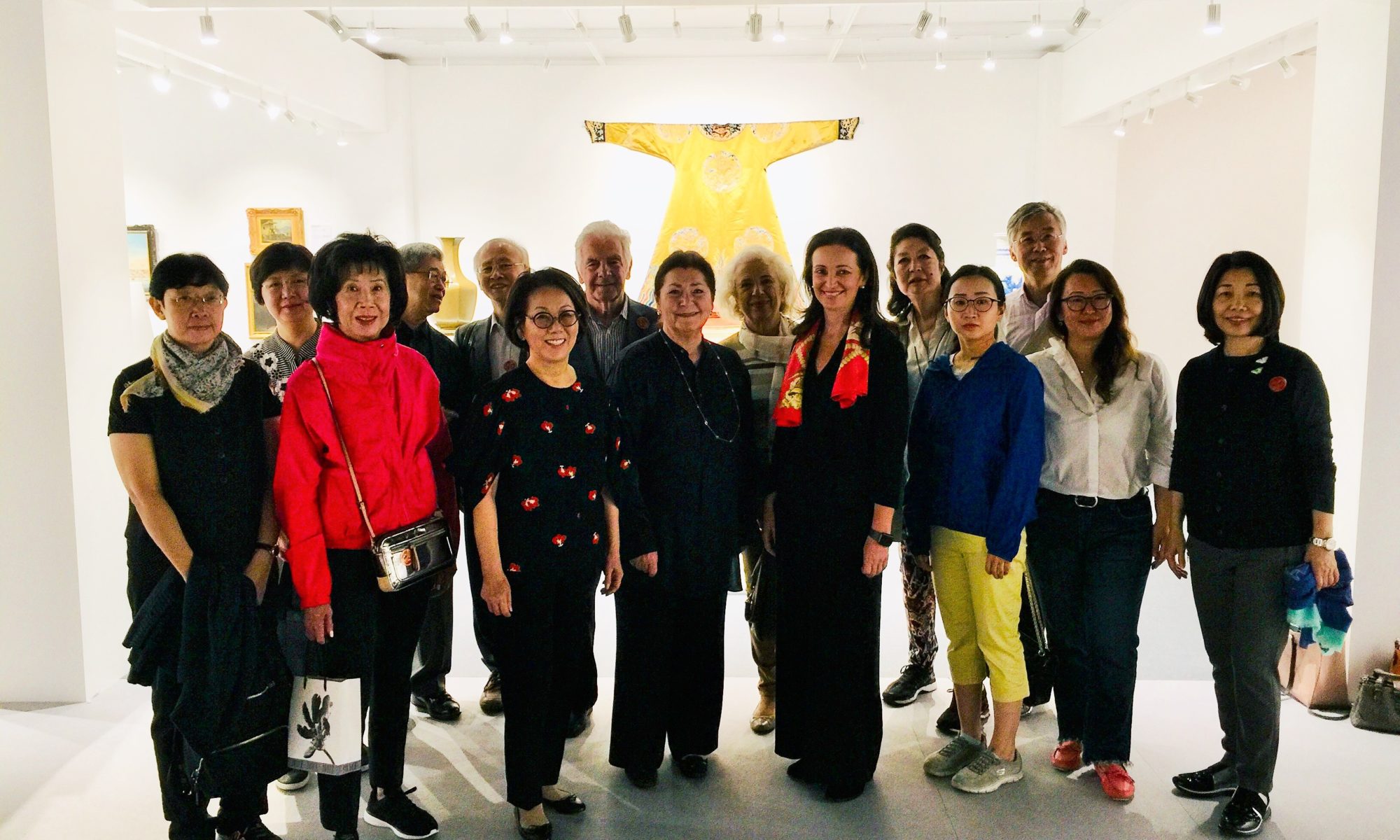
Guided Viewing: “Christie’s Autumn Auctions” with Rosemary Scott and Pola Antebi

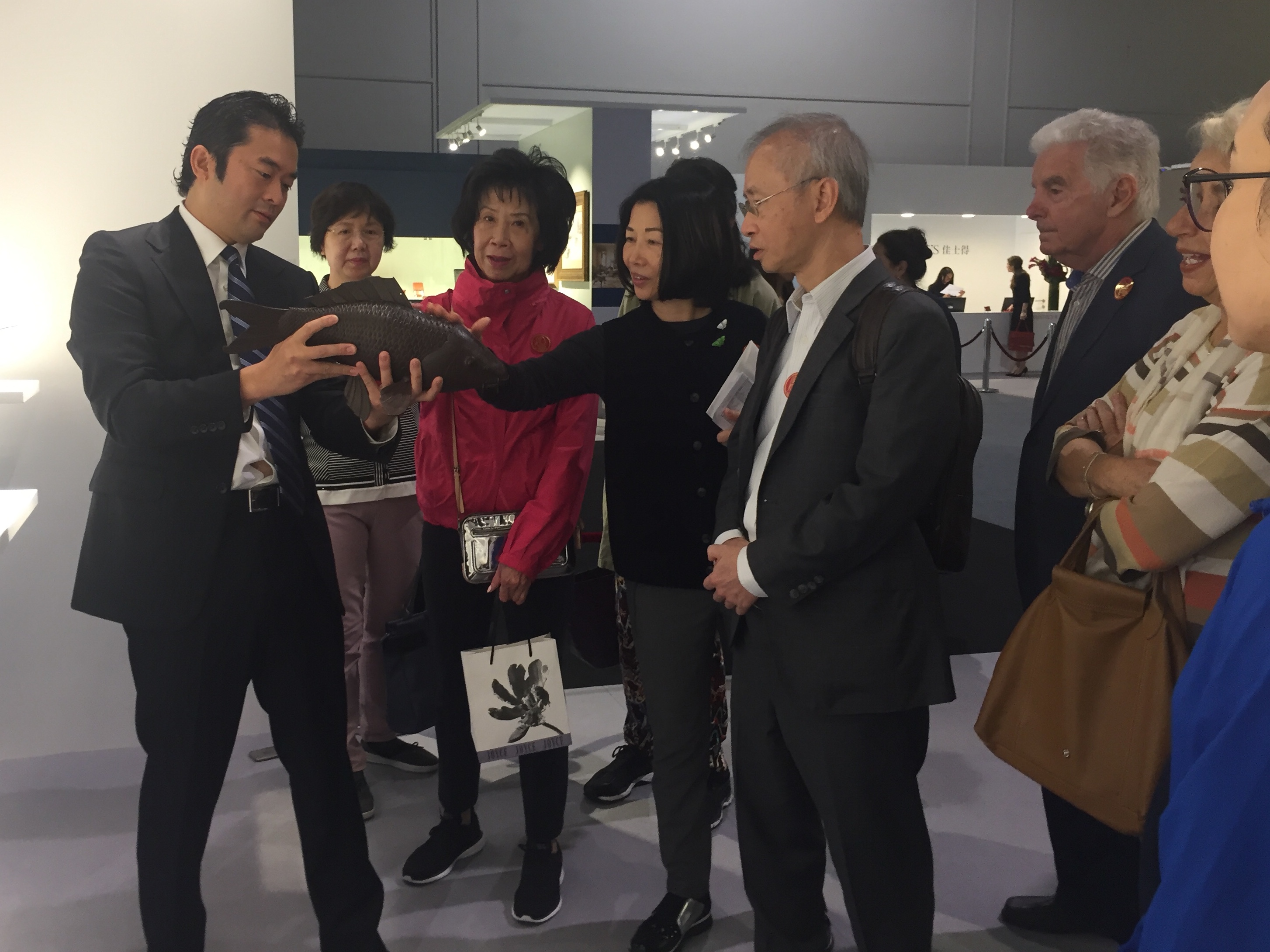
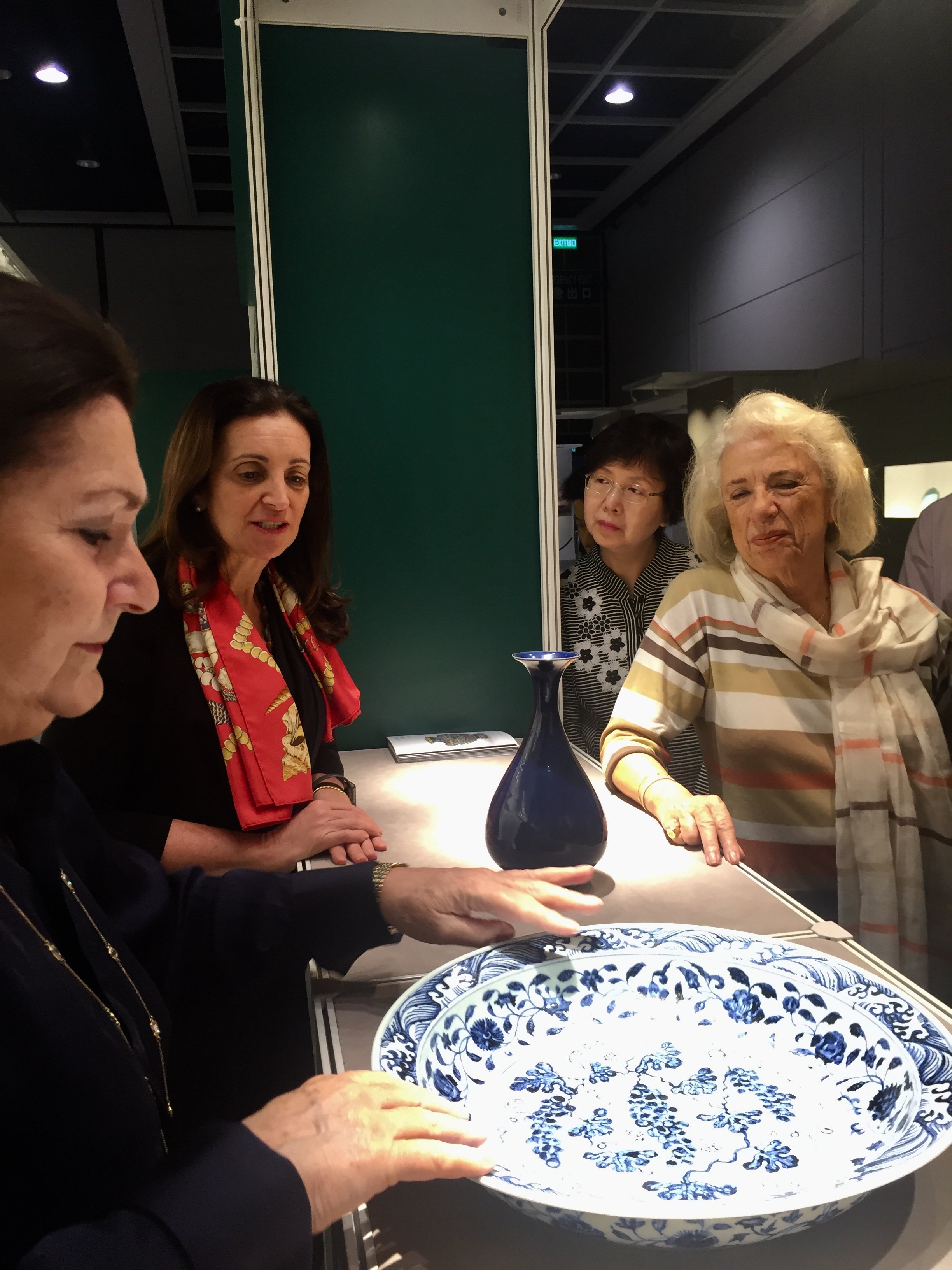
Christie’s is delighted to invite the members of the University of Hong Kong Museum Society to a private guided tour of the forthcoming Hong Kong Autumn Auctions. This will include a viewing of works from the Asian 20th Century and Contemporary Art, Chinese Paintings, Chinese Ceramics and Works of Arts, as well as masterpieces including Wood and Rock by Su Shi.

The guided tour will be given by Rosemary Scott (Senior International Academic Consultant Asian Art) and Pola Antebi (International Director, Chinese Ceramics & Works of Art).

Resource Persons

Rosemary Scott joined Christie’s in 1997 and in 2006 was appointed International Academic Director to Christie’s Asian Art Departments.  In 2017 she changed to a part-time role as Senior International Academic Consultant to Christie’s Asian Art departments.

Ms Scott was formerly the Head of the Museums Department at the School of Oriental and African Studies (SOAS), University of London, and was responsible for the Percival David Foundation of Chinese Art and for the Brunei Gallery.

After completing a degree in Chinese Art and Archaeology at the School of Oriental and African Studies, University of London, Ms. Scott undertook postgraduate research into early Chinese lacquer and its relationship to other materials, particularly textiles and inlaid bronze. In 1979, she joined the Burrell Collection in Glasgow as an Assistant Keeper with curatorial responsibility for Oriental works of art and was appointed Deputy Keeper of the entire collection in 1980. In December 1983, Ms. Scott took up the post of curator of the Percival David Foundation of Chinese Art, School of Oriental and African Studies, University of London, and in January 1995 she became the first Head of the SOAS new Museums Department.

Ms. Scott has researched and written numerous books and articles on subjects related to Chinese ceramics and decorative arts, and has also presented papers at many international conferences, in addition to organizing and editing the proceedings of several such conferences in the UK. She has travelled widely in East Asia, America and Europe, lecturing and undertaking research. She served as President of the Oriental Ceramic Society 2006-2009.

Drawing from over 30 years of professional experience, Pola Antebi is a global ambassador representing Christie’s in its operations around the world. As one of the most senior Chinese ceramics and works of art specialists in the firm, Pola regularly meets with prominent collectors, dealers and museum representatives in Hong Kong, Japan, South East Asia, Europe and the United States to advise about her market, assist with curation of collections and to secure art objects for sale.  

Pola began her career in the field in New York in the mid-1980’s.  Her dedication to further the prominence of Chinese works of art brought her to Asia and she joined the Hong Kong office in 1990.  As part of a pioneering team, Pola quickly grew the department, and supported the expansion of Christie’s presence throughout Asia.  By 1998 Pola was promoted to Head of department, a role she held for 14 years.  During this period of unprecedented growth, she was instrumental in elevating the category globally; her department regularly shattered auction sale records.   

Through her passion, commitment and engagement with notable academics, Pola has made substantial contribution both to Christie’s and to the study of imperial ceramics and works of art, with a personal emphasis on Chinese imperial ceramics, lacquer and jade carvings from the Song to Qing dynasties.   

Pola is also passionate in sharing her knowledge and experience with the younger crop of Christie’s specialists; she actively supports the mentorship program and has initiated a learning and development specialists’ forum which she chairs.

Guided Visit: Haw Par Music Foundation with Roger Wu

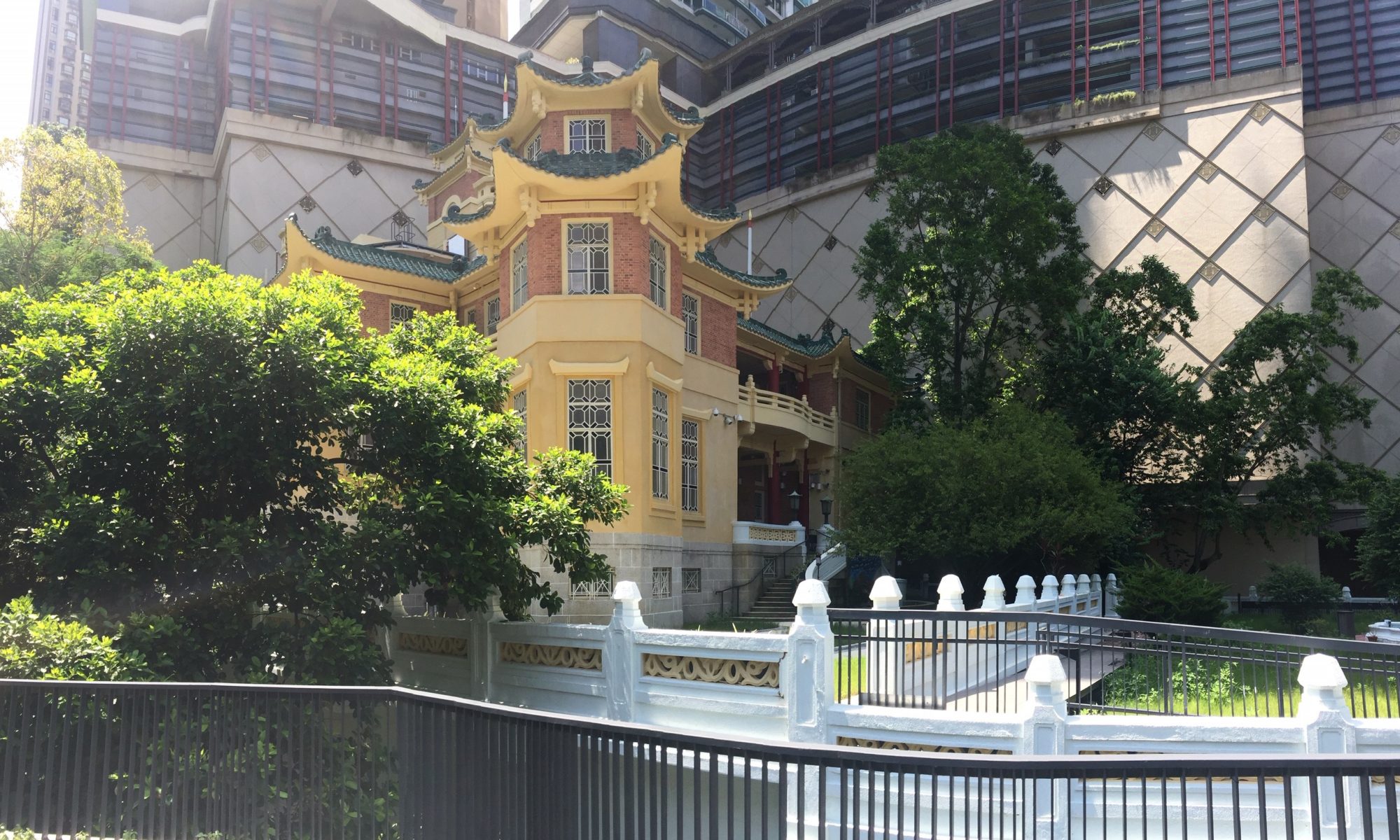
Roger Wu, conservation architect on the Haw Par Mansion restoration project will take us on a guided visit through this newly restored 1930s building.

The Haw Par Mansion together with its private garden was built by Aw Boon Haw, who was known as “The King of Tiger Balm”. The Mansion was the Aw’s family mansion and was restricted to private use, while the Tiger Balm Garden constructed adjoining the mansion was used to be open to the public for enjoyment.

Architecturally, the Mansion was built in an eclectic style with a blend of Western and Chinese construction methods and architectural theory. The plan is, however, more Western, being roughly symmetrical with the adoption of porches, bay windows and fireplaces. Internally, there are beautiful painted glass windows from Italy, carvings and mouldings, gilded with gold and murals showing Indian and Burmese influence. Over the years there have not been many changes to the Mansion, and its authentic appearance is retained. The restoration project began in June 2016, and will formally open in spring 2019 as the Haw Par Music Foundation, a centre with the aim of providing cross-cultural exchange through music (Chinese & Western).

Resource Person

Roger Wu is currently the Executive Director, Project Development, of Haw Par Music Foundation Limited (HPMF), a Non-profit Organisation set up to oversee the revitalisation of the historic Haw Par Mansion in Tai Hang, Hong Kong, into Haw Par Music Farm – a centre for cross-culture exchange through music, heritage and the arts.

Prior to taking up his position in HPMF in February 2014, Wu worked in a number of architectural practices in the UK and Hong Kong, including a 17 year stint between 1994 and 2010 at John McAslan + Partners in London where Wu worked on many projects of different scales (ranging from the design of the new King’s Cross Station Concourse in London to a private residence in Seborga, Italy) and different uses (ranging from British Embassy in Algiers, Algeria to Peter Jones department store in London). In particular, Wu has developed exceptional expertise leading major projects, leading international projects and working with historic buildings.

Wu has lectured at architectural schools in universities across the UK, including Bath, Nottingham, Central England, (Birmingham) and Plymouth. Wu also taught design studies at the School of Architecture, Chinese University of Hong Kong, as an Adjunct Associate Professor, and is currently an external examiner for the University of Central Lancaster/IVY BSc architectural degree. Wu is also actively involved with both the Royal Institute of British Architect (RIBA), where he is the Council Member representing the Asia and Australasian region as well as Chairman of the RIBA Hong Kong Chapter, and the Hong Kong Institute of Architects (HKIA), where he is a member of the Heritage & Conservation, Education Development & Accreditation Committees.

Joint UMAG Programme: Modern and Contemporary Ink Painting in Hong Kong with Dr Michelle Huang (Lingnan University) and Shuo Hua (HKU)


The HKU Museum Society and the University Museum and Art Gallery are pleased to present not one but two lectures related to the “Tradition to Contemporary: Ink Painting and Artistic Development in 20th-century China” exhibition currently running at UMAG. 

The Reputation of Hong Kong Painters in the British Art Scene

Over the past few decades, the art of modern and contemporary Chinese artists from mainland China and that of the Chinese diaspora were in the spotlight in international art markets and exhibitions. For Hong Kong art, paintings and calligraphy by Fang Zhaoling (1914-2006) and Lui Shou Kwan (1919-1975) have recently gained much attention from museum curators, gallery owners, collectors and scholars, who contributed to organize centenary or special exhibitions and conferences for these celebrated painters in Britain, Hong Kong, mainland China and beyond. This talk throws light on the ways in which modern Chinese painting was collected, displayed and interpreted in Britain in the second half of the twentieth century. It examines the roles of dealer, curator and scholar in establishing the international reputation of Hong Kong painters, including Lui Shou Kwan, Fang Zhaoling and Wendy Yeo (b. 1937), whose works were widely exhibited in galleries and museums across Britain from the 1950s to the present.

Speaker

Professor Michelle Ying-Ling Huang is the Head of Visual Studies and an Associate Professor at Lingnan University in Hong Kong. She previously taught Art History and Museums Studies at the University of Hong Kong and the Hong Kong Baptist University. She has also been a visiting scholar at the Victoria and Albert Museum, the University of the Arts London, and the University of Oxford, as well as an intern at the British Museum and the Hong Kong Museum of Art.

Michelle obtained her PhD in Art History from the University of St Andrews in the United Kingdom. She has undertaken extensive research into the reception of Chinese painting in Britain from the late nineteenth century to the twentieth. Her publications include edited books entitled Beyond Boundaries: East and West Cross-Cultural Encounters (2011) and The Reception of Chinese Art Across Cultures (2014), and a number of articles in periodicals such as Burlington Magazine, Museum History Journal, Journal of the History of Collections, Arts of Asia, and Orientations. She currently works on her new book, The Reception of Early Chinese Paintings in Britain: Collecting, Display and Interpretation, which will be published by Manchester University Press.

From Elegant Gathering to Public Exhibitions of Modern and Contemporary Art in Hong Kong (1950s-1970s)

After the Sino-Japanese war, art exhibitions in Hong Kong reached unprecedented vibrancy due to the influx of Chinese artists, many of whom were trained in the Lingnan and Canton schools. Due to the semi-private nature of exhibiting as part of the artists’ regular agenda of elegant gatherings (ya ji 雅集), these exhibitions appeared relatively inaccessible to the public and unheard of in the community of Western style art practitioners. Since the 1960s, with the inauguration of the City Hall Gallery, Hong Kong has witnessed increased professionalization and institutionalization of exhibitions equipped with a transcultural approach. At the same time, the social aspects of the Chinese collectors’ associations became increasingly vital in nurturing Hong Kong’s modern art scene. Key figures in the recent history of collecting Chinese art and antiquities were also active in patronizing their contemporary artists living in Hong Kong. To understand the transition of exhibition culture against the backdrop of the shifting patronage activities is meaningful, as it forms an integral part of the broader social art history of Hong Kong during the 1950s and 1970s.

Speaker

Shuo Hua is a PhD candidate at the Hong Kong Institute for the Humanities and Social Sciences, University of Hong Kong. She was a Lee Hysan visiting research fellow in Global Art History, participating in the Cluster of Excellence: Asia and Europe in a Global Context, University of Heidelberg (2017). Her research interest focuses on 19th-20th century Chinese art and commodification of art in the East Asian context. Native from Nanjing China, Shuo received her BA in Economics from the University of Pennsylvania.

Pre-Trip Dinner Lecture: Divinity and Aesthetics: National Treasures around Lake Biwa with Professor Puay-peng Ho

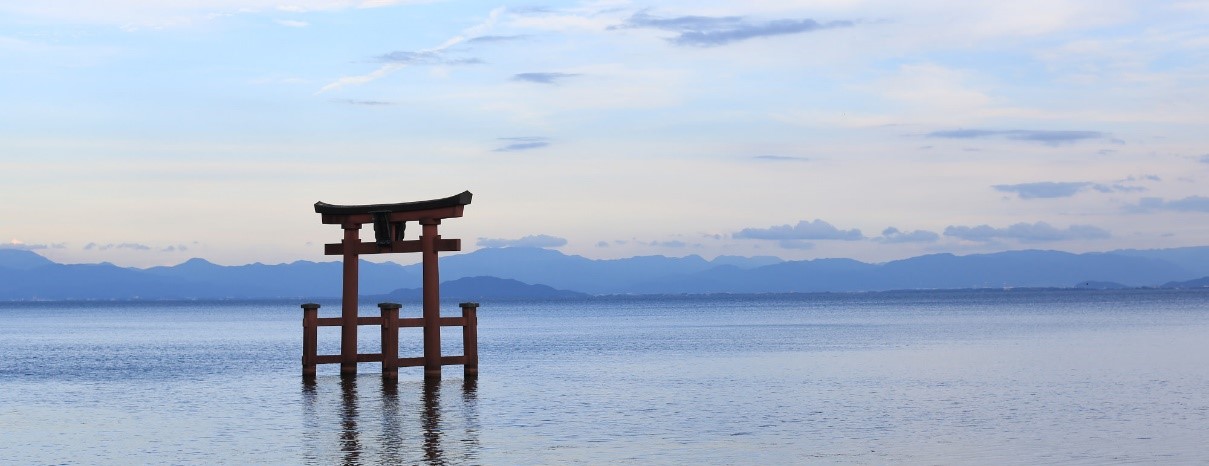
Apart from the cosmopolitan centers of the Kansai関西 region, such as Nara奈良, Kyoto京都, and Osaka大阪, there are many significant sites that are crucial to the understanding of the development of Japanese religious practices, architectural constructions, and sculptural forms. We will travel from one of the three main shrines dedicated to Benzaiten in Tsukubusuma Shrine on Chikubu island竹生島, to one of the most important medieval pilgrimage centers on Mount Yoshino吉野山. In between, we will visit Buddhist sites that contributed significantly to the development of Buddhism. The area of Nagahama長浜 is known as the land of Kannon (Guanyin) 観音之里 with many statues of the merciful bodhisattva in different attributes designated as National Treasures. Likewise, the area around Ōtsu大津 has many monasteries related to the Tendai School of Buddhism 天台宗, among which Miidera contains a large number of buildings and sculptures that are highly valued, being the ancestral monastery for the major sect of Tendai. Modern architecture is certainly a crucial aspect of cultural continuity and we shall be able to visit works by Tadao Ando and Takenaka Corporation to see how traditional construction and spatial sensibilities are expressed in the contemporary language. The highlight of the tour is a visit to Miho Museum, the Shinji Shūmeikai 神慈秀明会campus and the chapel of Miho Institute of Aesthetics, which contains some of the best and latest of I M Pei’s architecture. This would be a rare opportunity to visit the campus and the Miho Institute to appreciate the spatial and spiritual continuum between architecture, nature and the divine.

Speaker

Professor Puay-peng Ho is currently the Head of the Department of Architecture at the National University of Singapore.  Previously he was Professor of Architecture at The Chinese University of Hong Kong.  He received his First Class Honours degree in Architecture from the University of Edinburgh and a Ph.D. in Art History from the School of Oriental and African Studies, University of London. His thesis was focused on Buddhist art and architecture of the Tang dynasty.  Dr. Ho is a member of the Royal Institute of British Architects and the Society of Architectural Historians. His research interests and publications are in the areas of Chinese art and architectural history, vernacular architecture, and architectural theory.

Guided Visit: SCAD and Mei Ho House With Bernardo Coronado-Guerra and Tony Lam


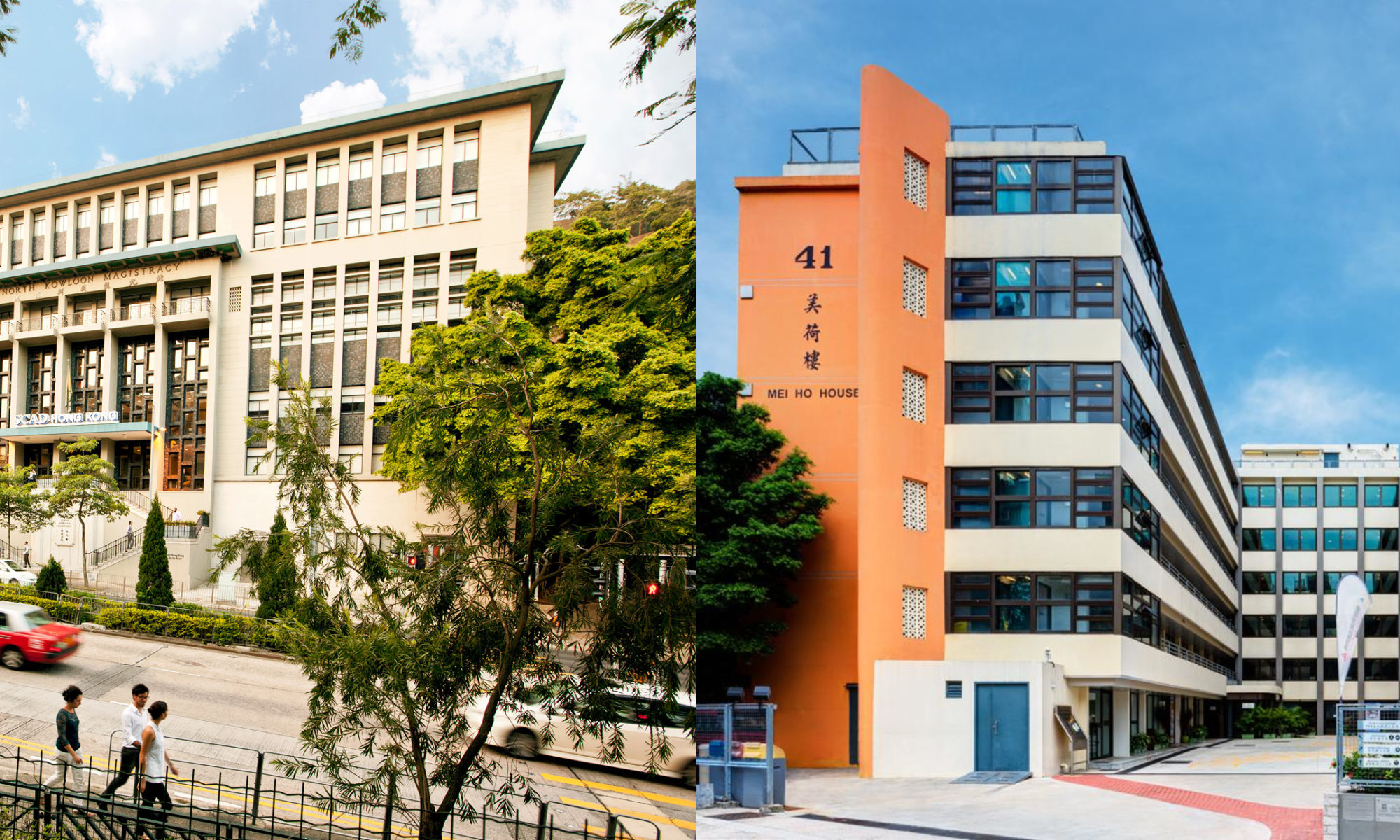
On this Guided Visit the HKU Museum Society will be taking you to not one but two buildings that have gone under conservation and revitalization. The first is the former North Kowloon Magistracy building which is now home to Savannah College of Art and Design (SCAD) with Bernardo Coronado-Guerra, and the second is Mei Ho House, the only surviving Mark I H-shaped housing estate block with Tony Lam.

In September 2010, the Hong Kong opened its doors SCAD in the former North Kowloon Magistracy in the bustling Sham Shui Po district. SCAD revitalized the historic North Kowloon Magistracy building, a former courthouse, into the leading site for the study of art and design in Asia, while honouring the structure’s historic and cultural significance. For its extensive rehabilitation and careful conservation of this majestic site, the university earned an Honorable Mention in the UNESCO Asia-Pacific Awards for Culture Heritage Conservation in 2011. As part of the revitalization scheme, SCAD has conserved an original jail cell and one original courtroom which will be featured in the tour.

Shek Kip Mei Resettlement Blocks were built by the government in 1954 to rehouse the massive number of victims of the disastrous Shek Kip Mei Fire in the previous year. Mei Ho House was one of the first eight Shek Kip Mei Resettlement Blocks, which marked the commencement of Hong Kong’s public housing programme. The building witnessed the development of Hong Kong’s public housing and the evolution of the residents’ living environments since 1954. Mei Ho House is the only surviving Mark I H-shaped resettlement block in Hong Kong and the first design for public housing of the same category. Revitalised from Mei Ho House, the block today houses a youth hostel with 129 rooms and also houses the Heritage of Mei Ho House (HMHH) Museum, the first privately-run museum of Hong Kong Housing, established and operated by the Hong Kong Youth Hostels Association.

Information:

Savannah College of Art and Design
292 Tai Po Rd, Sham Shui Po
薩凡納藝術設計大學(SCAD)
香港九龍深水埗大埔道292號 
Tel: 2253 8044
 
Mei Ho House
Block 41, Shek Kip Mei Estate, Sham Shui Po, Kowloon
美荷樓
九龍深水埗石硤尾邨41座
Tel: 3728 3500
 

Resource Persons

Bernardo Coronado-Guerra is the Executive Director of Design and Operations at the Savannah College of Art and Design (SCAD). Originally from Mexico City, but a world traveller since childhood, he received his undergraduate degree in Architecture and later moved to Savannah, in the United States, for his graduate degree in Interior Design from SCAD. Bernardo is known for his love of cats, especially his own, Doris.

Tony Lam is the founding director of AGC Design Ltd. He has been a practicing architect for over three decades and involved in various private and public projects. He is also a conservation architect working on various heritage conservation projects such as Central Market Revitalization. Being a former member of Antiquities Advisory Board and the chairman of the heritage & conservation committee, Hong Kong Institute of Architects, Tony is familiar with the heritage conservation issues and active in the field of architectural conservation in Hong Kong. His project Lui Seng Chun Revitalization has received the HKIA Special Architectural Award in 2012. He is the author of the book “Heritage Conservation and Local Culture” 《建築保育與本土文化》

Guided Visit: Fine Art Asia 2018 with Min-Zheng Veneau

Fine Art Asia is recognised by the international art world as Asia’s leading fine art fair. On display are museum-quality art works spanning over 5,000 years of cultural history, from ancient Chinese bronzes through to contemporary art.

Since its inception in 2006, Fine Art Asia has attracted an increasing number of leading international galleries while earning worldwide recognition. Fine Art Asia is the only fair in Asia that showcases a wide range of collectible fine art from Asia and the West.

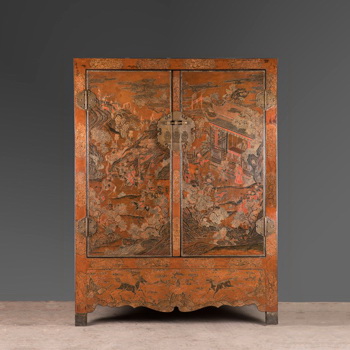
Min-Zheng Veneau will lead our tour visiting 5 galleries where the owners will talk in depth about their collections and offer their expertise and insights. You will have a chance to learn about Chinese imperial lacquer furniture, European silver, 18th century China export porcelain, antiquities from Greek & Roman and works of art from Japan. This is not only an opportunity to enjoy looking at the beautiful objects closely but also an adventure of intellectual stimulation through different time periods and geography.

A former member of the HKUMS Executive Committee, Min-Zheng Veneau worked with the eminent antique gallery, Mallett PLC, in London as their Asian representative, where she helped museums and collectors in China collect Western arts.  She successfully finished the Attingham Summer School, which offers specialised courses for those who are professionally engaged in historic houses, palaces and their collections. She is currently the ambassador for Attingham in China. She also attended the Royal Collection Studies, which studies the patronage and collecting of the Kings and Queens of England from the 15th century onwards. Min-Zheng has a Master’s Degree in International Business from Columbia University.

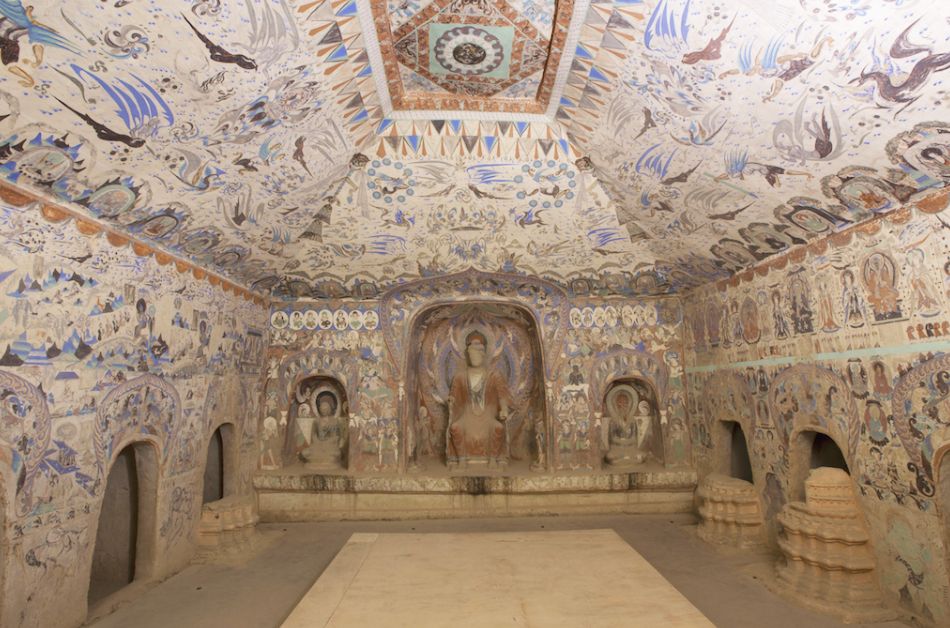
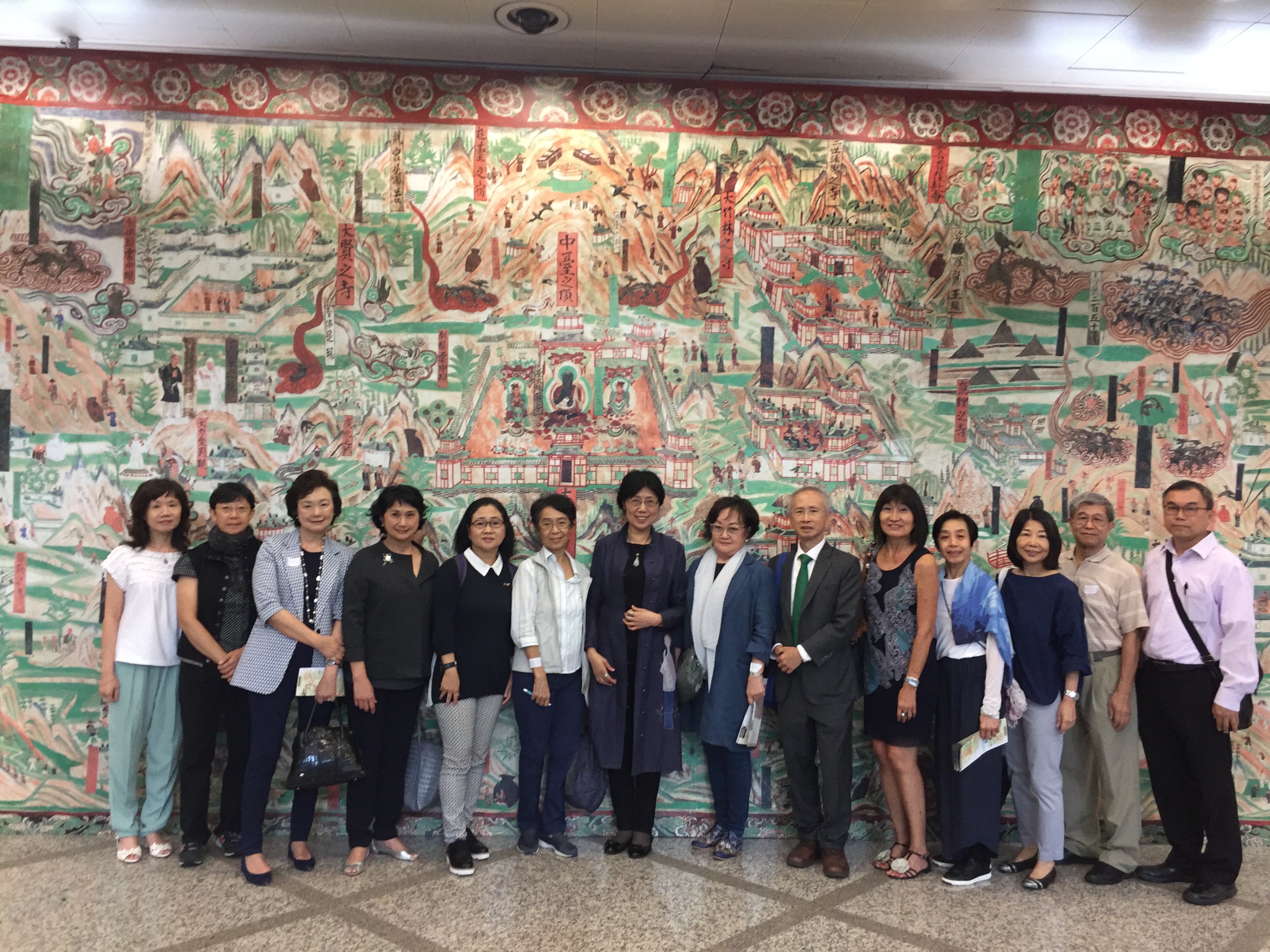
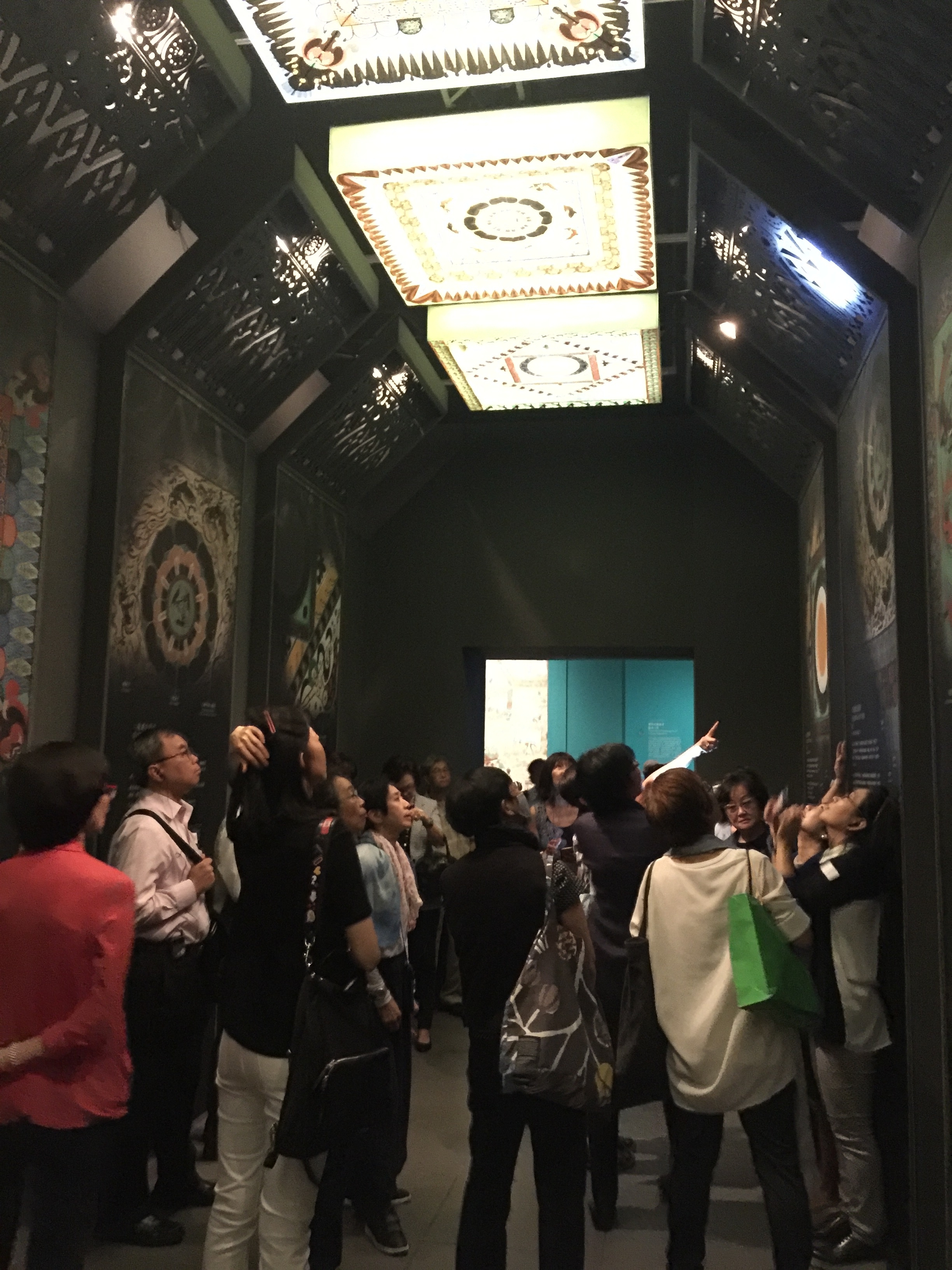
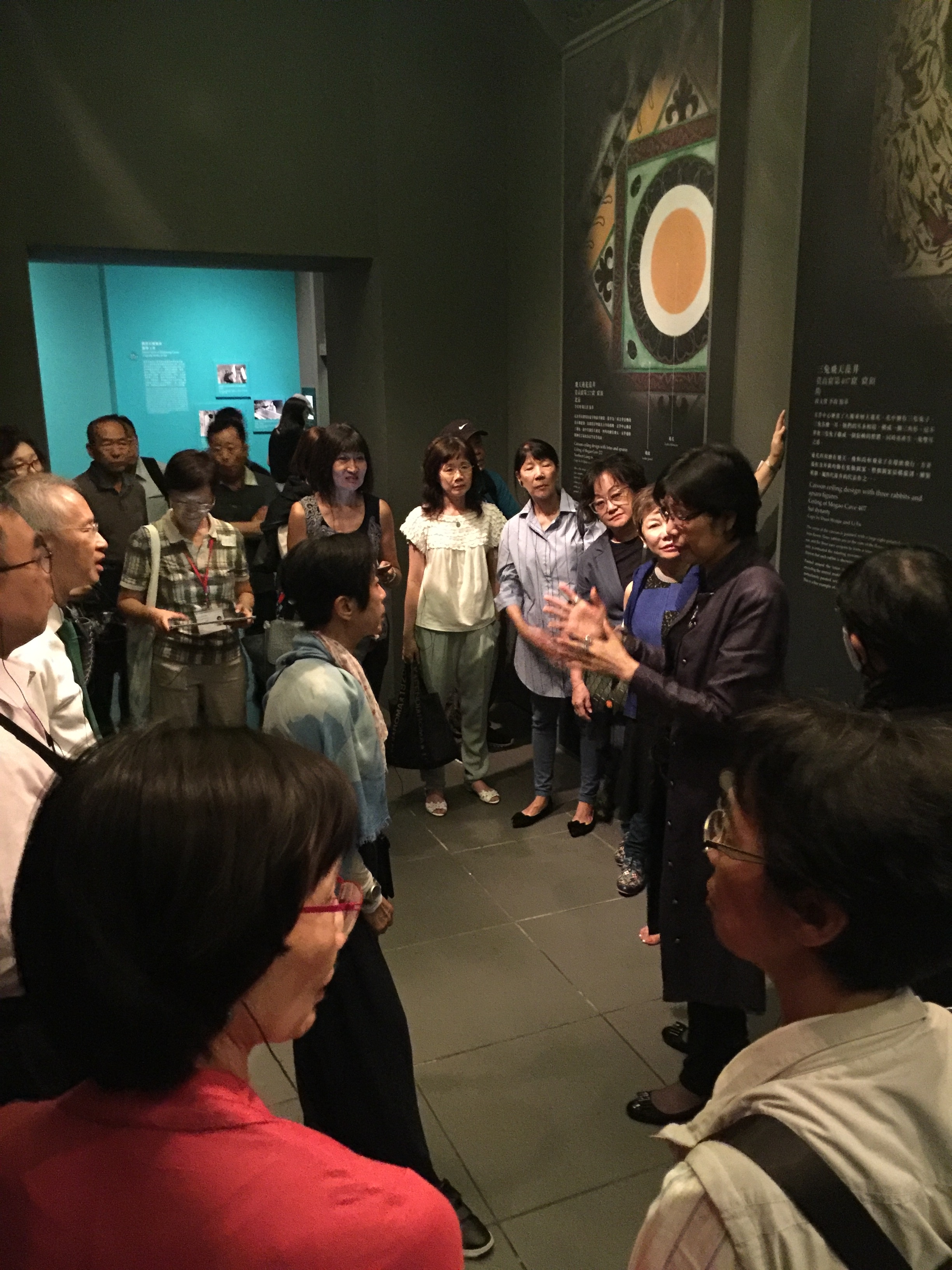
Guided Visit: Digital Dunhuang – Tales of Heaven and Earth With Lee Mei-yin (李美賢)


The Museum Society is delighted to have Lee Mei-yin guide us through this special exhibition.  (Please note this tour will be conducted in Cantonese.)

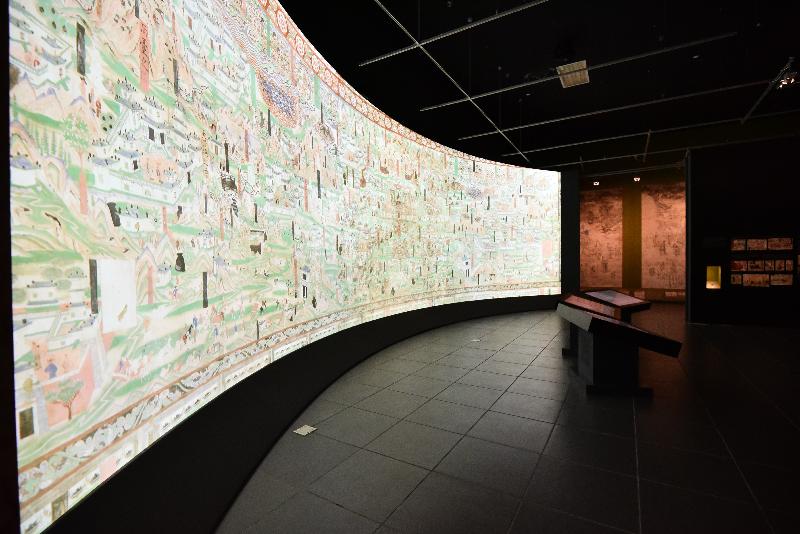
With their vast repository of Buddhist art, the Dunhuang Caves have been acclaimed as an “Encyclopaedia of the Middle Ages”. This newly curated exhibition will highlight the achievements of digitisation projects of the Dunhuang Academy, together with a presentation of unearthed artefacts, the grotto art of Dunhuang, and the latest multimedia technology, to allow visitors an opportunity to study Dunhuang culture up close and appreciate the stories of the Buddhist realm and the ordinary people.

Technology plays a more and more important role in the cultural heritage conservation. The Dunhuang Academy is a pioneer in the field among the cultural institutes in Mainland China and has made substantial achievements in digitisation, 3D scanning and virtual reality representation of the Dunhuang relics, not to mention its accomplishments in promoting the cultural heritage of Dunhuang through internet and multimedia programmes. The exhibition will showcase over 100 exhibits including the replica cave of Mogao Cave 285, virtual caves, a digitised monumental mural of Mogao Cave 61, Mount Wutai, artefacts and archives, interactive multimedia installations and audio-visual programmes, and will offer a unique museum experience that allows visitors to learn about the history and art of the Dunhuang Caves.

Resource Persons

Collector Lee Mei-yin (李美賢) is a special research Fellow of the Dunhuang Academy and an advisor to the HK Institute for the promotion of Chinese Culture. She has conducted in-depth research on Chinese ethnic culture, Buddhist art and Chinese embroidery for many years.

Guided Visit: A look at H Queen’s architecture and some galleries with William Lim


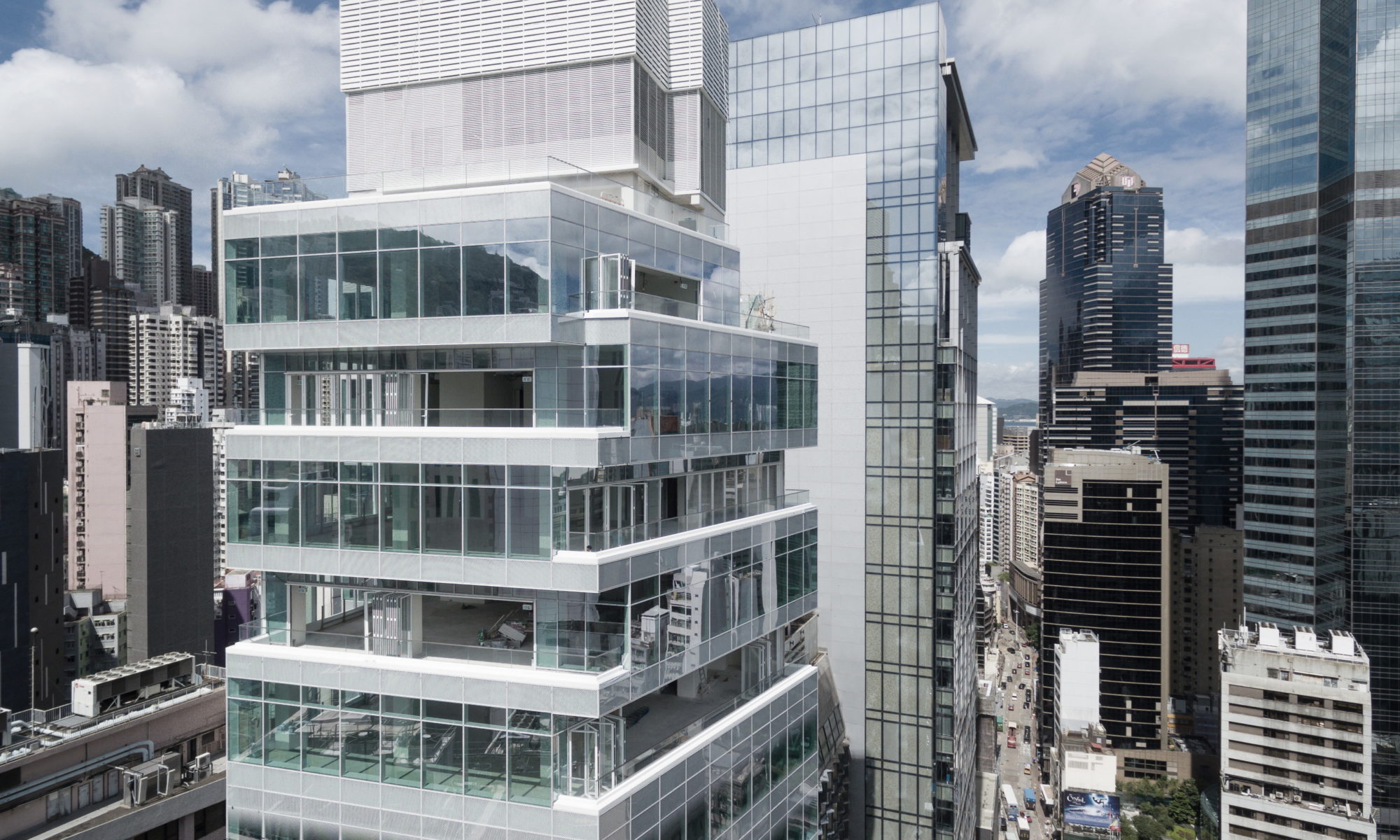
H Queen’s is the first vertical high-rise purpose-built art and lifestyle building in the world.  With 24 levels, the design was conceived 5 years ago to cater to the growing art market in Hong Kong.  The project began with research into the requirements of grade A international galleries in order to cater to their specific needs.  The result is a custom designed high rise with 4.65m floor to floor height, with extra floor loading capability, and a unique way of hoisting artwork through a lifting crane installed on the roof.  A 3m x 4.5m opening can be created on each floor though the custom designed sliding curtain wall system which also lets in natural ventilation if desired.

The building is conceived as a translucent cloudy-white “Jewelry” box to house the artworks. One of the first buildings in Hong Kong entirely utilizing low-e glass, it is highly energy efficient, allows zero UV penetration and hence protects the artworks.

There are several restaurant floors designed to include outdoor dining area in the form of terraces or large folding doors to create a full length openable side for the restaurant, plus a roof top dining/ bar area for 100 people.

Developed by Henderson Land, the building has received numerous design awards prior to its grand opening, including the Asia Pacific Property Awards 2015 – Retail Architecture, China Property Awards 2014 – Best Commercial Development (Hong Kong), LEED for Core & Shell Precertification in 2014 – Gold Level, China Green Building Design Label in 2015 – 3-Star Rating.

Resource Person

As Founder and Managing Director of CL3 Architects Ltd. (CL3), William Lim brings over 20 years of experience to his projects. An acclaimed architect and artist, William graduated from Cornell University and has spent the past two decades at the forefront of architecture, culture and art.

With a keen appreciation of humanities and art, William’s designs are distinctive and contemporary. “Architects have a social obligation to improve urban environments,” explains William. “Architecture is about people. I always feel that architects are only doing part of the job—the rest is really shaped by the occupant using the space. We treat every project as a unique challenge and pay attention to every single detail – from the architecture to the interior detailing– to create human-oriented and quality designs with artistic value.”.

Since founding CL3 in 1992, William has established a notable presence on the global design scene. The studio’s diverse, award-winning portfolio includes architectural and interior projects for hotels, restaurants, retail, corporate, residences and art installation design.

William is also active in the art space with a focus on public art. Throughout his career he has held several solo exhibitions showcasing his public art installations, most notably the Lantern Wonderland 2003 & 2011, Venice Biennale’s International Architectural Exhibition in 2006 & 2010, as well as Hong Kong & Shenzhen Bi-City Biennale of Urbanism/Architecture in 2007, 2009 and 2017. His works have been exhibited in Hong Kong, Chengdu, the United States and Holland. More recently, his signature piece, “West Kowloon Bamboo Theatre”, was awarded the Grand Award and Special Award for Culture in Design for Asia Award in 2013.

Committed to promoting culture and education, William is currently the Advisory Council Member of the College of Architecture, Art and Planning at Cornell University and a Member on the Asia Pacific Acquisition Committee for Tate. Closer to home, he is also one of the Gallery Advisory Committee Members for The Asia Society Hong Kong Center and Museum Expert Advisers for the Hong Kong Museum.

Joint UMAG Programme: Tradition to Contemporary: Ink Painting and Artistic Development in 20th-century China and The Companionship of Art II (ii) —Exhibition of Artworks by Ding Yanyong with Dr Fongfong Chen and Dr. Tang Wai Hung

On this Guided Tour, the HKU Museum Society will be taking you to not one but two exhibitions. The first is the current exhibition on ink painting “Tradition to Contemporary: Ink Painting and Artistic Development in 20th-century China” at the University Museum and Art Gallery (UMAG) with Dr. Fongfong Chen, and the second takes you to the Jao Tsung-I Petite Ecole to see “The Companionship of Art II (ii)—Exhibition of Artworks by Ding Yanyong” with Dr. Tang Wai Hung.  To register on-line, please visit: https://goo.gl/5knCLq

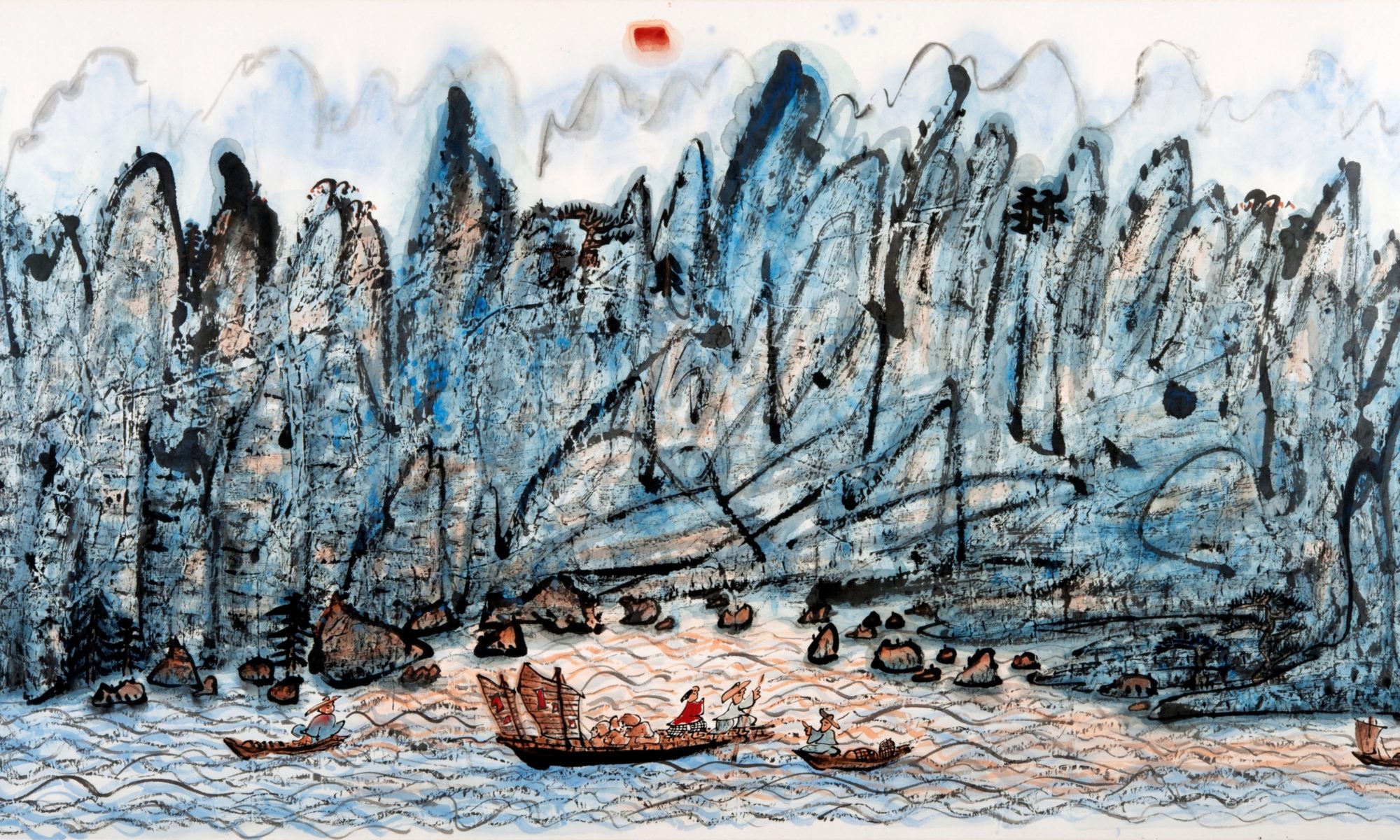
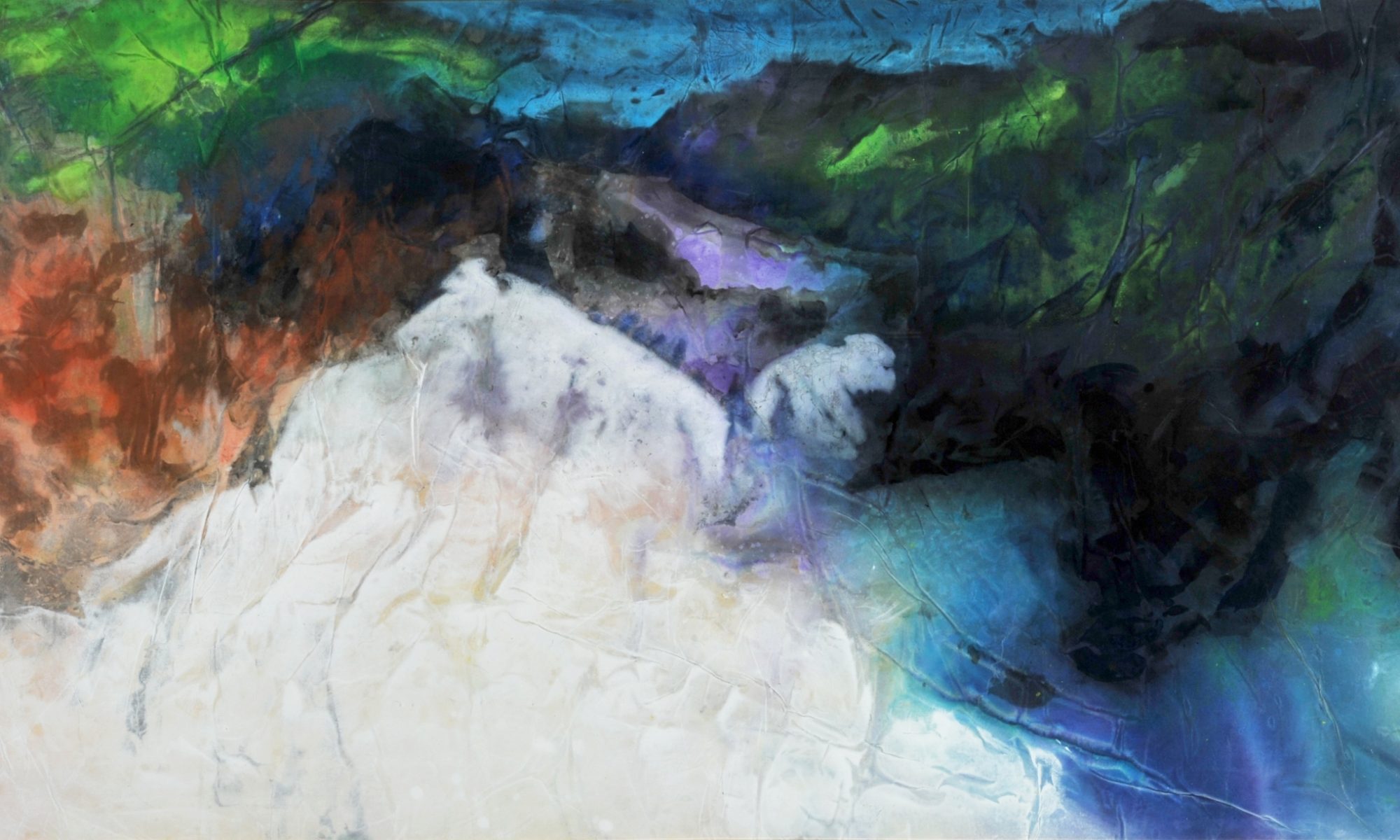
“Tradition to Contemporary: Ink Painting and Artistic Development in 20th-century China” is curated from artworks within the museum’s permanent collection, and trace the evolution of ink painting in Hong Kong, including many well-known masters that have helped to build the city’s art scene and museum collections. The exhibition offers audiences a broad overview of the provenance and aesthetic quality of individual works, and the cultural interactions among twentieth-century Chinese artists, curators, collectors and scholars in Hong Kong, mainland China and abroad.                             

“The Companionship of Art II” at the Jao Tsung-I Petite Ecole of The University of Hong Kong, displays artworks by four artists who had a profound friendship with Professor Jao Tsung-i between the 60s and 80s of the 20th century, including Liu Bing-heng (1915-2003), Ding Yanyong (1902-1978), Zhao Shao-ang (1905-1998), and Wu Hao (1930-2017). In this exhibition, most of the artworks are from the collection of Yun Quan Studio, and the collaborative painting with Professor Jao belongs to the Jao Tsung-I Petite Ecole of The University of Hong Kong, with most of the works dating from the 60s to the late 70s, containing his landscape, figure, bird-and-flower paintings, and cursive script calligraphy. Through these art pieces, art lovers are able to acquire a general idea about Ding’s unique style.

Resource Persons

Dr. Fongfong Chen is an Associate Curator at the University Museum & Art Gallery (UMAG) and an Honorary Assistant Professor at the Department of Fine Arts at the University of Hong Kong (HKU). She was a J.S. Lee Memorial Fellow (2013/2014) and a visiting scholar at the UC Berkeley Art Museum and Pacific Film Archive (BAMPFA), Berkeley, USA. Her research focuses on images of women and women’s fashions in different visual media in China from the eighteenth to the twentieth centuries. Her articles have appeared in academic journals and exhibition catalogues, including Ming Qing Yanjiu, Beauty Revealed: Images of Women in Qing Dynasty Chinese Painting, Der Perfekte Pinsel: Chinesische Malerei 1300-1900 (The Perfect Brush: Chinese Painting 1300-1900), and Hong Kong Visual Arts Yearbook 2008.

Dr. Tang Wai Hung is Deputy Director of the Jao Tsung-I Petite Ecole, The University of Hong Kong, and is an experienced art collector and connoisseur. He was a senior executive in several television corporations in Hong Kong and Macau, and managed the production of numerous programmes, including a series on the National Palace Museum in Taipei and Palace Museum in Beijing. He has lectured in a number of tertiary institutions. He is the author and editor of hundreds of publications on various subjects including Chinese painting.