Heritage Outing: Conservation and Revitalization of Architecture and Landscape for Kuk Po Villages 谷埔村落with Professor Wang Weijen

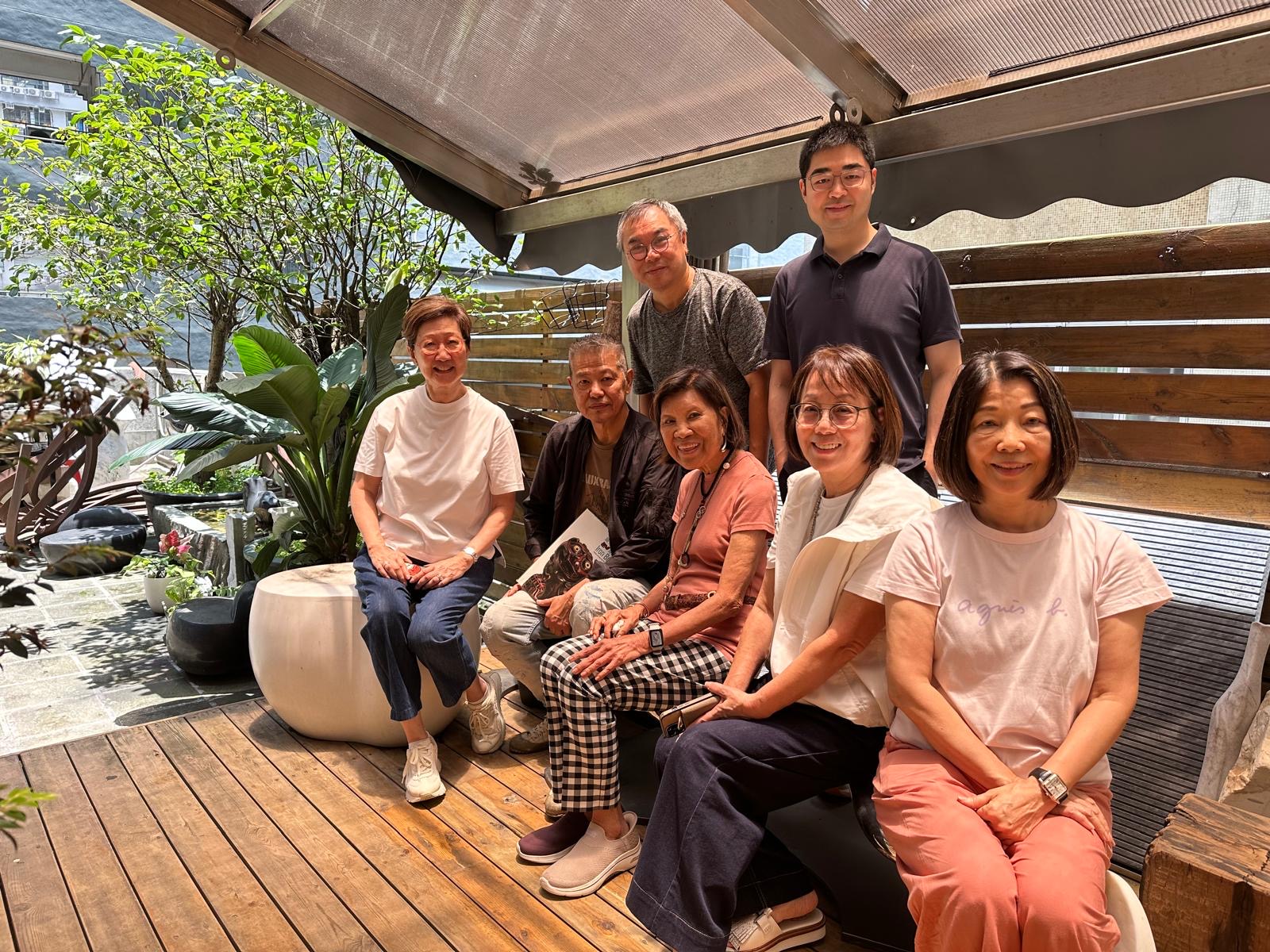
The Executive Committee is delighted to organise a 2nd heritage outing to Kuk Po with Professor Wang Weijen, Andrew KF Lee Professor in Architecture Design, Department of Architecture, University of Hong Kong / Design Director, Wang Weijen Architecture. In addition to the guided tour of the village and its surroundings, there will also be a guided tour of art works by Chan Kwan Lok.

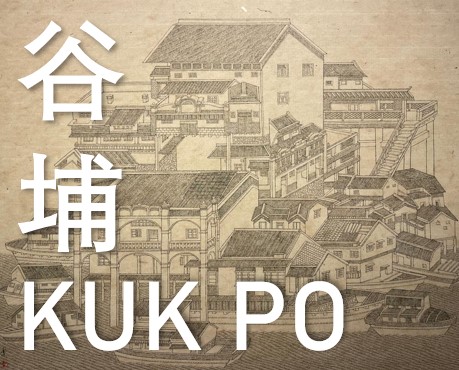
Situated amidst the rural landscapes of Hong Kong’s Sha Tau Kok, Kuk Po preserves large area of mangrove wetlands and traditional Hakka settlements, juxtaposed against the backdrop of Shenzhen’s urban skyline across the sea. Supported by the Countryside Conservation Office, the design team from the University of Hong Kong has embarked on an initiative encompassing design research, conservation, and revitalization efforts in Kuk Po, to implement an acupuncture planning strategy through site participation and micro-renewal. By conserving and repurposing heritage structures and reimagining public spaces within the village, the design interventions aim to elevate the environmental quality of Kuk Po while re-fostering a sense of place with the community.

Based on the framework of the “Kuk Po Vision,” the study interweaves architectural, landscape, and community, addressing the study of wetland valleys, Feng Shui woods, and the typological and structural characteristics of Hakka architecture. Over the past four years, the team has launched initiatives to revitalize built structures and enhance the surrounding environment through a series of collaborative endeavors, including exhibitions at Kai Choi School, restoration of the Kuk Po Common, establishment of the Kai Choi Plaza, community engagements with the Art Kuk Po Program, construction of Eco Toilet, and renovation of the Ruin Garden.

The team emphasis on research and place-making within the design process, addressing issues of typology, texture, structure, and tactile qualities, as well as active community involvement, to reconstruct the historical memory of the site. The design explores alternative urban and rural spaces in Hong Kong, promotes sustainable urban and rural environments, and raises public awareness of traditional architecture and community culture, as well as conservation of the ecological and landscape environments. The project covers:

Kuk Po Common – Adaptive Reuse of a School Building for Community Spaces.
Kai Choi Plaza – Place Making with Collective Memories.
Art Kuk Po – Space Catalyst and Culture Participation with Creative Intervention using Kai Choi School, Kuk Po Common, and the plaza as venues.
Eco-Toilet – Green Infrastructure with Organic Recycling.
Ruin Garden – Heritage Conservation of the Sung family mansion built during the Qing dynasty with Innovative Method.

Resource Person

Professor Wang Weijen, Andrew KF Lee Professor in Architecture Design, Department of Architecture, University of Hong Kong / Design Director, Wang Weijen Architecture.

Integrating architecture with nature and culture landscape, his practice and research respond to high-density urban context, rural conservation, and sustainable environments. His design projects covering campuses and community buildings, consistantly received awards from HKIA, HKIUD, AIA Hong Kong, AR, WA, and was reviewed by Kenneth Frampton in Modern Architecture (2020).

Previously Head of Department of Architecture at HKU, he was the 2023 Howard Freeman Visiting Professor at UC Berkeley, curator of 2018 Venice Architecture Biennale for Hong Kong Exhibition, and 2007 Hong Kong Shenzhen Bi-City Biennale of Urbanism / Architecture. With research focuses on typology of Chinese Architecture and Cities as well as Hong Kong’s urban rural spaces, his published books include Refabricating City: a reflection, Regenerating Patio: Studies of Macao’s Historical Urban Fabric, Kuk Po Vision: An Account of the Architectural Environment in a Hong Kong Village, and design monographs Urban Courtyardism by UED and Taiwan Architect.

Photo Credit: Kuk Po Vision

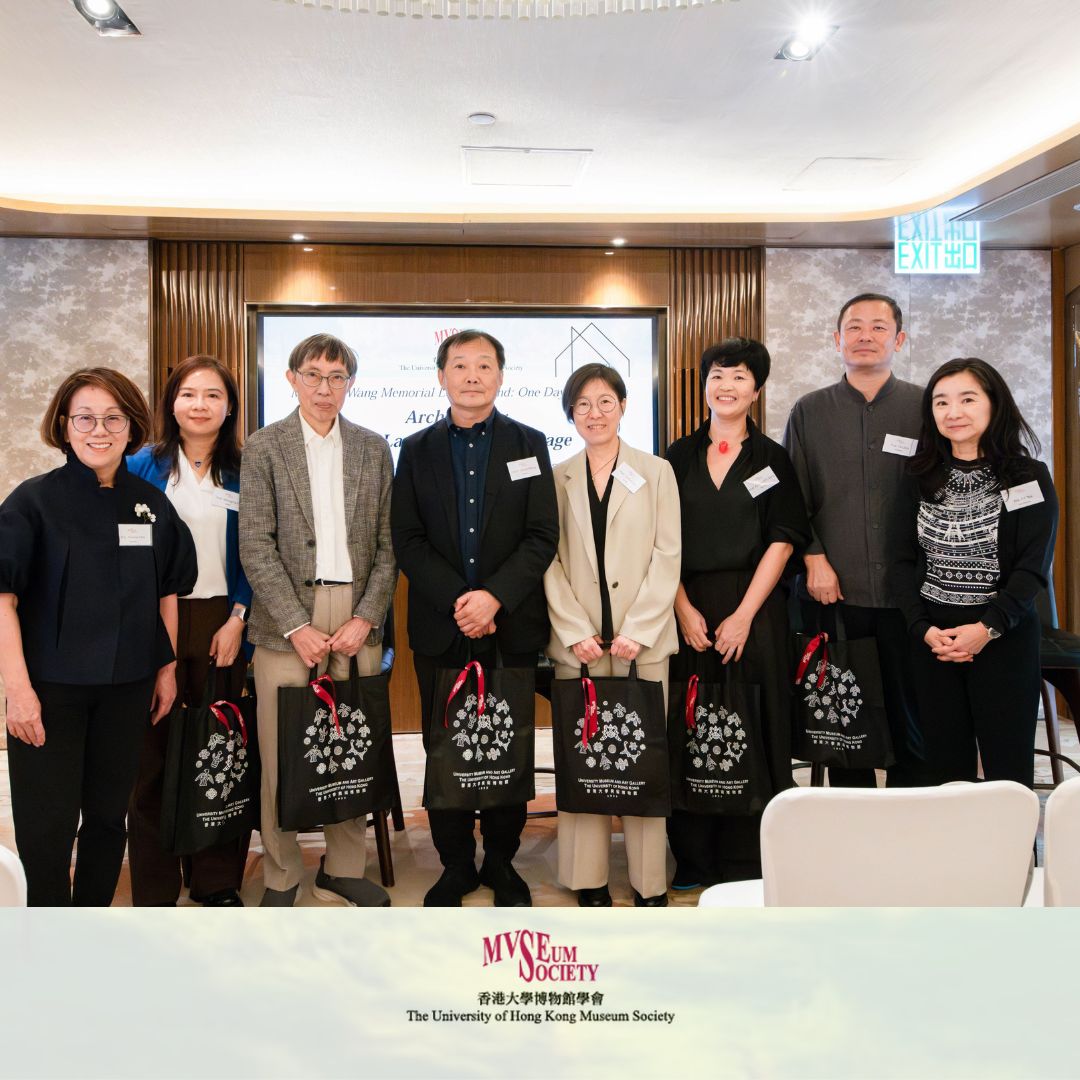
Margaret Wang Memorial Lecture Fund One Day Symposium: Architecture: City, Landscape and Heritage

The Executive Committee of the University of Hong Kong Museum Society invites you to join the Margaret Wang Memorial Lecture Fund One Day Symposium, exploring the intersections of Architecture: City, Landscape & Heritage.

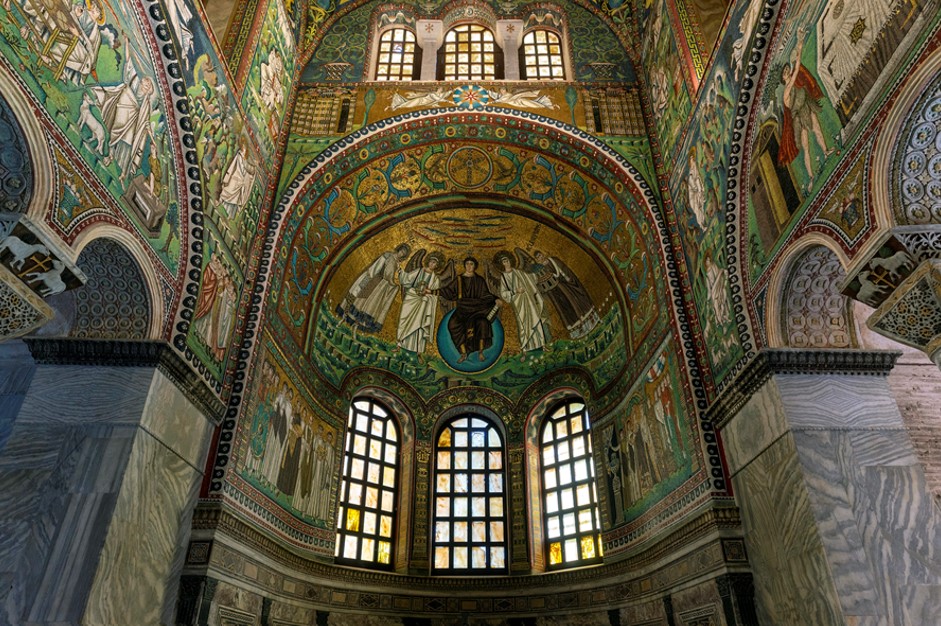
The multi-volume work Ten Books on Architecture (De architectura) by Vitruvius Polio, a Roman architect and engineer from the 1st century BC, is the only architectural treatise to have survived from antiquity. Vitruvius defines architecture through three essential attributes: structure (firmitas), function (utilitas), and beauty (venustas). This definition remains a cornerstone of architectural discourse today.

In light of the critical social and environmental challenges of the 21st century, along with rapid technological advancements, how has architecture evolved in its concerns for humanity, utility, and beauty compared to the Classical and Renaissance eras? As many buildings and landscapes become competing markers in an age of speculative cities, how can architecture, urban planning, landscape design, and conservation integrate new knowledge and skills to address broader issues within the built environment? This integration is vital for creating a more sustainable and resilient architecture and urbanism for the decades to come.

As urbanization accelerates at an unprecedented pace in the Pearl River Delta, how can architects and planners expand their concerns from Hong Kong to the Greater Bay Area, identify shared values that address issues over high-density urbanism, public spaces, traditional settlements, sustainability, and the urban-architectural transformations of scale over time?

This symposium invites four renowned scholars and architects, each with expertise in architecture, urban planning, landscape architecture, and conservation, to explore how the architecture and urbanism of Hong Kong and the Greater Bay Area can effectively address these pressing issues and take a leadership role in shaping the future of the built environment.

Speakers 

Chu, Cecilia
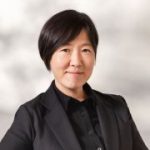
Director of MPhil-PhD Programme and Associate Professor, School of Architecture, The Chinese University of Hong Kong

Trained as an urban historian with a background in design and conservation, Cecilia Chu’s research and teaching focus on the social and cultural processes that shape the forms and meanings of built environments. She is especially interested in the intersection of professional and popular knowledge of architecture and landscapes, particularly in the Asian context.

Chu is the author of Building Colonial Hong Kong: Speculative Development and Segregation in the City, which received the 2023 Best Book Award from the Urban History Association and the 2024 International Planning History Society Book Prize. She is a co-founder and past president of DOCOMOMO Hong Kong and an editorial board member of Journal of Urban History, Journal of the Royal Asiatic Society Hong Kong, Surveying and Built Environment, and Built Environment. She received her PhD in Architecture from the University of California, Berkeley.

He, Shengjing
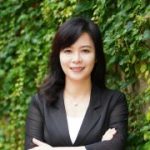
Head of Department and Professor, Lady Edith Kotewall Professor in Built Environment, Department of Urban Planning and Design, University of Hong Kong

Shenjing’s research interests focus on social infrastructure, urban and regional governance, gentrification, rural-urban interface, low-income housing, and healthy cities. She has published over 200 papers and five books and has been listed as Top 1% Scholar Worldwide by Clarivate Analytics (2016-2025), Stanford University’s Top 2% Scientists (2020-2025).

Shenjing was awarded the prestigious National Distinguished Young Scientists Fund by National Science Foundation of China and Humanities and Social Sciences Prestigious Fellowship by RGC in 2025 and was elected a Fellow of the Academy of Social Sciences (UK) in 2021. She has served as a co-editor-in-chief for Area Development and Policy since 2023 and editor for Urban Studies (2012-2024).

Shenjing is the Chair of Asia Pacific Network for Housing Research and Vice President of Asian Planning School Association. She also serves as an advisor for many Planning and Design Institutions, Governments, and NGOs.

Wang, Weijen
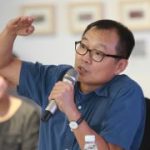
Professor, Andrew KF Lee Professor in Architecture Design, Department of Architecture, University of Hong Kong / Design Director, Wang Weijen Architecture

Integrating architecture with nature and culture landscape, his practice and research respond to high-density urban context, rural conservation, and sustainable environments. His design projects covering campuses and community buildings, consistantly received awards from HKIA, HKIUD, AIA Hong Kong, AR, WA, and was reviewed by Kenneth Frampton in Modern Architecture (2020).  

Previously Head of Department of Architecture at HKU, he was the 2023 Howard Freeman Visiting Professor at UC Berkeley, curator of 2018 Venice Architecture Biennale for Hong Kong Exhibition, and 2007 Hong Kong Shenzhen Bi-City Biennale of Urbanism / Architecture. With research focuses on typology of Chinese Architecture and Cities as well as Hong Kong’s urban rural spaces, his published books include Refabricating City: a reflection, Regenerating Patio: Studies of Macao’s Historical Urban Fabric, Kuk Po Vision: An Account of the Architectural Environment in a Hong Kong Village, and design monographs Urban Courtyardism by UED and Taiwan Architect.

Yim, Rocco SK
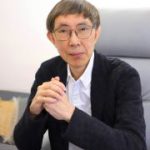
Executive Director, Rocco Design Architects, Adjunct Professor, Department of Architecture, University of Hong Kong                                                                           

Rocco Yim is currently Executive Director of Rocco Design Architects. Since winning a First Prize Award for the L’Opéra de la Bastille international competition in 1983, his works have consistently been awarded both in Hong Kong and overseas. Recent accolades include ARCASIA Gold Medals in 1994 & 2003, World Architecture Festival category winner in 2010, Chicago Athenaeum Architectural Awards in 2006, 2011 and 2013, German Design Council Iconic Award and ULI Global Award in 2014.

His works have been published in various regional and global journals and have been exhibited four times in the Venice Biennale over the last decade. He is currently Honorary Museum Adviser to LCSD and a member of the IAF Council of International Advisors for the University of Southern California. He was conferred an Honorary Doctor of Social Sciences by the University of Hong Kong in 2013.

Moderators

Seng, Eunice M.F.
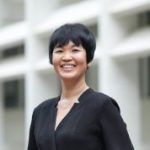
Head of Department and Associate Professor, Department of Architecture, University of Hong Kong                                                           

Eunice Seng is the founder of the award-winning SKEW Collaborative, a founding member of Docomomo Hong Kong, the 2017 co-director of the Singapore Architectural Festival, and a licensed architect in the Netherlands. Previously PhD Programme Director, she teaches history, theory, and design. She is a recipient of the university’s Outstanding Teaching Award and Senior Teaching Fellow. 

Seng holds a BA(AS) from the National University of Singapore, an MArch from Princeton University, and a PhD from Columbia University. Her research as an architectural historian examines the intersections of architecture, housing, public space, gender, and labor in Asia. She is the author of Resistant City: Histories, Maps, and the Architecture of Development and is currently working on a book project, Housing Contingency, investigating Hong Kong’s urban development. Her and SKEW’s work have been exhibited internationally at venues including the Venice Biennale, Seoul Biennale, and Shenzhen & Hong Kong Bi-City Biennale.

Zhu, Tao
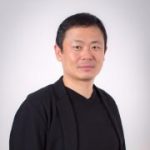
Associate Professor and Deputy Head, Department of Architecture, Co-director of the Center for Chinese Architecture and Urban Design, University of Hong Kong

Tao Zhu holds a Master of Architecture and a PhD in Architecture History and Theory from Columbia University. His scholarly work focuses on contemporary Chinese architecture and urbanism, with publications in leading journals such as AA Files, AD, and Domus. He is the author of Liang Sicheng and His Times (2014) and a contributor to A Critical History of Contemporary Architecture (2014). 

In 2010, he was honored with the inaugural Architectural Critics Award from the China Architecture Media Awards.

As a practicing architect, his built works include the Shenzhen Wenjindu Bus Terminal and two Hope Project Elementary Schools in Sichuan and Gansu. He is currently engaged in several large-scale projects, including Block 2 of Shenzhen Liuxiandong New City District (under construction) and the South District City Renovation of Dafen Village (planning). He also serves as the City Construction Consultant for Chang’an, Dongguan, aiding its urbanization through research and design.
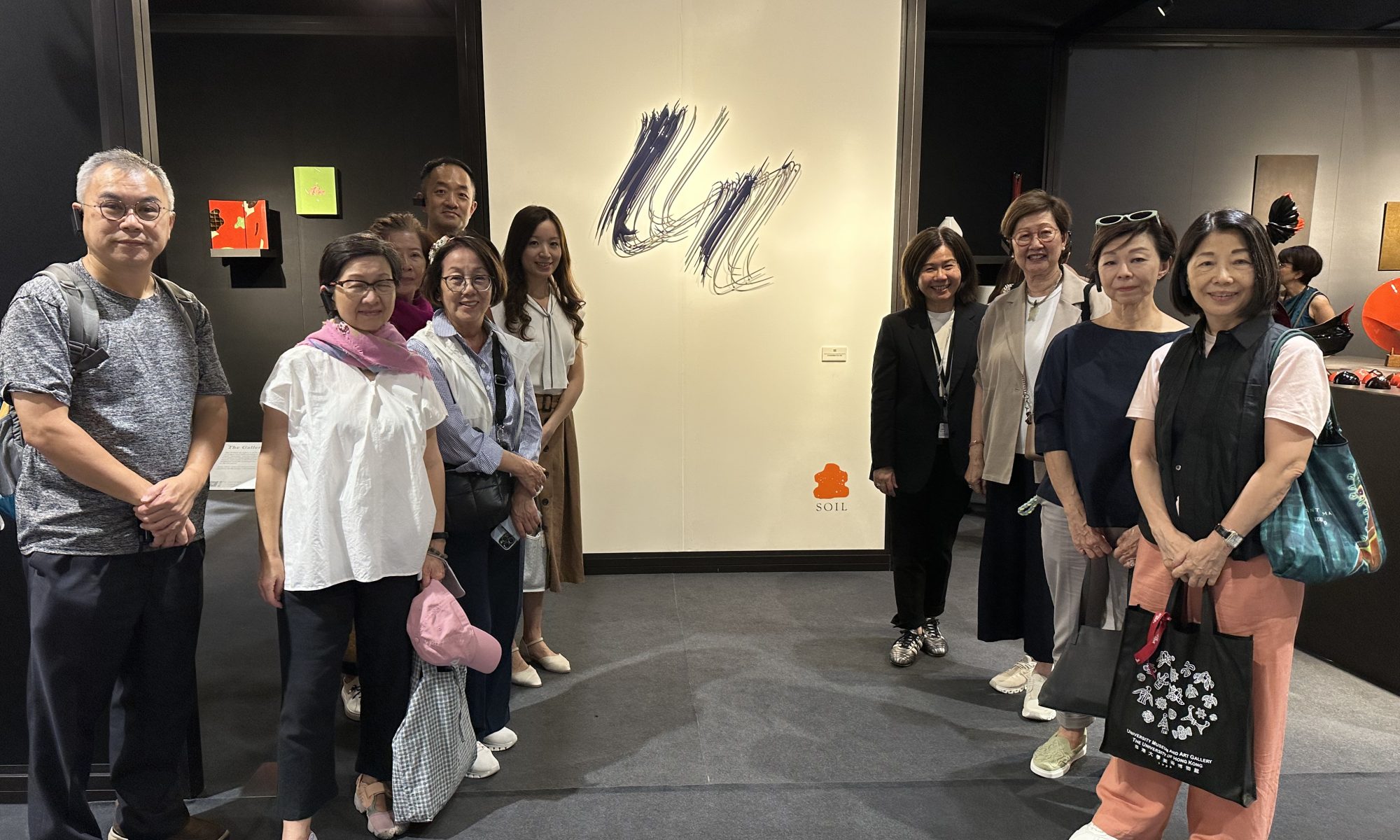
Guided viewing: Fine Art Asia “CRAFT Now” and “Back on Paper” at Hong Kong Convention and Exhibition Centre

The HKU Museum Society is pleased to organise a guided tour of Fine Art Asia 2025 at the Hong Kong Convention and Exhibition Centre. Since its establishment in 2006, Fine Art Asia has rapidly gained a reputation as the region’s most distinguished annual fine art fair. It presents museum-quality artworks spanning more than 5,000 years of cultural history, featuring a carefully curated selection of exquisite antiques from East and West, fine craftsmanship, contemporary art, and designer jewellery.

In a bold step forward, the 2025 edition will unveil two major new exhibiting sections: “CRAFT Now” and “Back on Paper”, both reflecting the growing trend of cross-collecting and further expanding the fair’s dynamic scope.

“CRAFT Now”

“CRAFT Now” will make its debut as a celebration of contemporary crafts of exceptional artistic and collectable value. This curated showcase brings together esteemed galleries, with a particular focus on innovative artisans from across Asia. Many of these makers are formally recognised for their mastery of traditional techniques and honoured as preservers of intangible cultural heritage by national or cultural authorities.

The “CRAFT Now” pavilion is curated by Susanna Pang of the Contemporary Crafts Centre, and is further enriched by the expertise of veteran curator Ying Jian and the accomplished consultant in the fields of craft and design Eva Quan Li.  With its emphasis on playful designs and high artistic value, the pavilion aims to engage a new generation of collectors and to elevate the appreciation of contemporary craft within the wider art community.

“Back on Paper”

Spanning approximately 150 square meters, the “Back on Paper” pavilion offers a serene and contemplative space devoted to the artistry of works on paper. This thoughtfully curated pavilion presents 30-50 exceptional pieces that traverse geographies and centuries, inviting collectors and connoisseurs to engage with the medium in its most intimate form.

Among the highlights are masterful ukiyo-e woodblock prints by Utagawa Kuniyoshi  (1797-1861)  and Tsukioka Yoshitoshi (1839-1892), created during the pinnacle of Edo-period printmaking; a delicate etching by Pierre-Auguste Renoir (1841-1919), whose Impressionist sensibility captures the fleeting grace of Parisian life; and striking lithographs by Joan Miró (1893-1983) and Zao Wou-Ki (1921-2013), produced in the 1960s and 1970s, reflecting the bold experimentation of modernism across cultures.

The pavilion also pays homage to Robert Hatfield Ellsworth (1929–2014), the distinguished American scholar, dealer, and collector whose legacy shaped Western appreciation of Asian art. A selection of rare books from his personal collection will be on display, offering a glimpse into his lifelong dedication to cross-cultural dialogue and the preservation of artistic heritage.

“CRAFT Now” and “Back on Paper” – “Together, they reflect the evolution of Fine Art Asia: introducing craft as a new element in celebration of our 20th anniversary, and embracing the ‘back to basics’ concept that has been at the heart of the fair since its inception.” Andy Hei

More information about the exhibition can be found at:

https://www.fineartasia.com/

Photo credit: Fine Art Asia

Studio Visit: Kintsugi (金繼) Artwork Demonstration with Daphne Alexis Ho

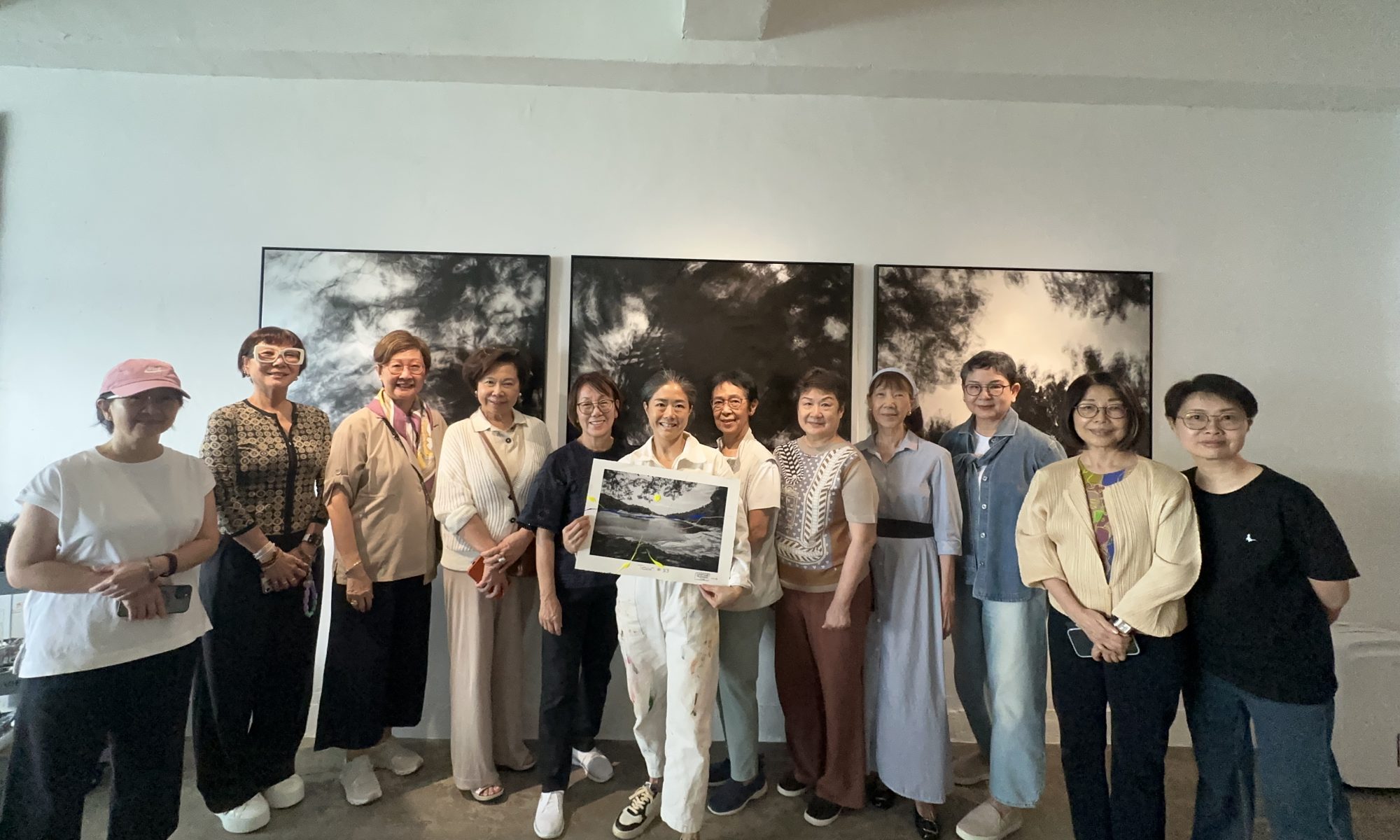
The HKU Museum Society is delighted to host an exclusive studio visit and Kintsugi (金繼) artwork demonstration with renowned Hong Kong mixed-media artist Daphne Alexis Ho 何居怡 at her studio in Ap Lei Chau.

This exclusive visit offers a unique opportunity to explore Daphne’s creative sanctuary and working studio, where she will showcase a selection of her signature artworks, including pieces never before revealed to the public.  This visit offers an intimate look at the artist’s process and her ability to blend diverse media into captivating visual narratives.

During this special session, we will unpack Daphne’s unique creative processes, including her reappropriation of Kintsugi (金繼), a traditional Japanese art, also known as the “golden repair”, typically using powdered gold to mend and repair broken ceramics.  Through the intentionality of tearing and mending, the meticulous steps symbolise a profound appreciation for imperfections and highlights the beauty of healed scars.

About the Artist

Daphne Alexis HO 何居怡 (PhD, MFA, RMIT; Melbourne, Australia) is a distinguished mixed-media artist renowned for her monochromatic landscape series that draws inspiration from Japanese Zen aesthetics. Through her art, Ho captures the essence of life’s impermanence, emphasising the fragile yet transformative nature of our surroundings. Her works invite viewers to reflect on the delicate balance between the ephemeral and the eternal, encouraging a deep, contemplative engagement with the world.

Photo credit: Daphne Alexis Ho

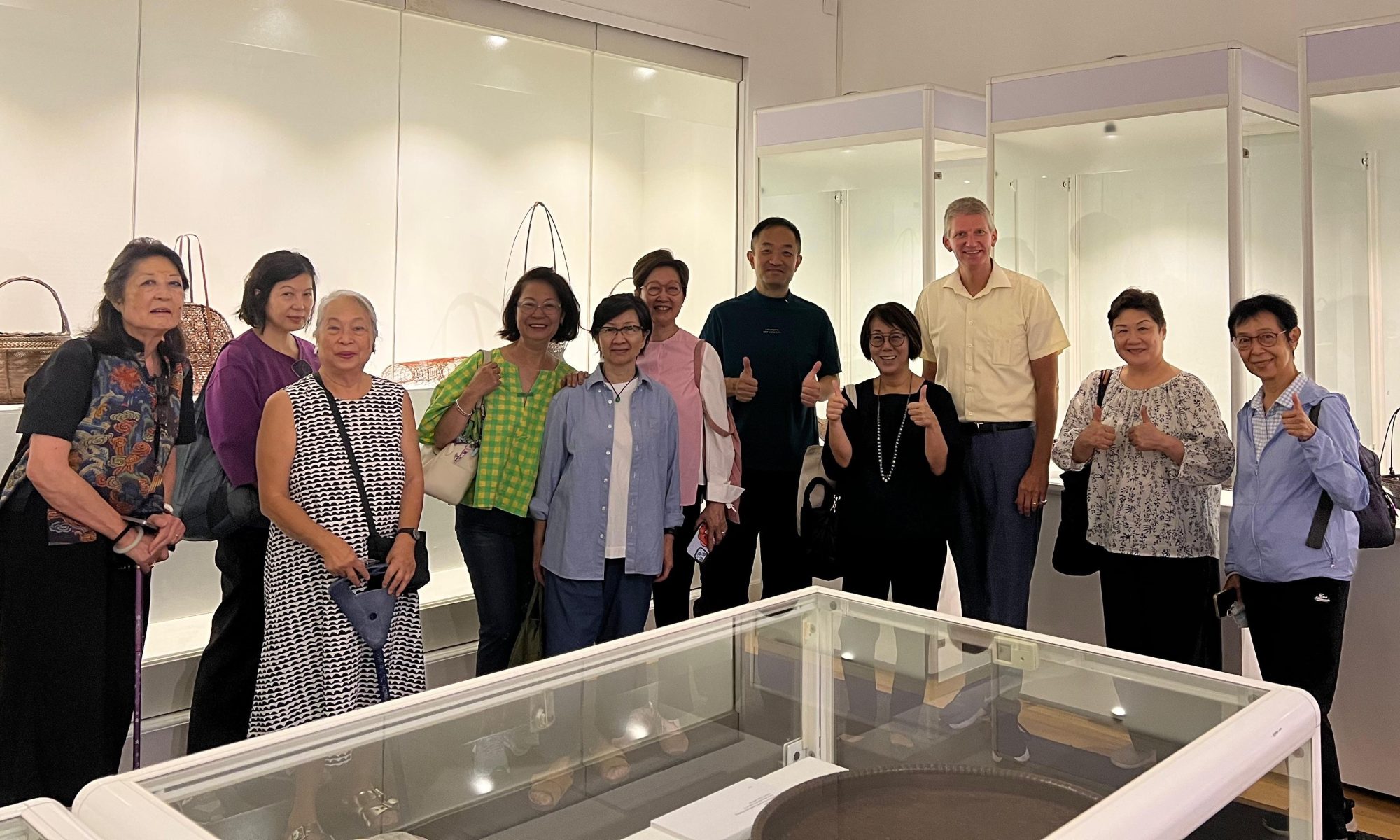
Guided Viewing: “Bamboo Baskets: Chinese Origins, Japanese Innovations” with Dr. Florian Knothe at UMAG (Members Only)

The HKU Museum Society is pleased to present a guided viewing of Bamboo Baskets: Chinese Origins, Japanese Innovations with Dr. Florian Knothe at UMAG.

Supported by the HKUMS 30th Anniversary Endowment Fund, this exhibition showcases over 200 bamboo objects that illustrate a wide range of weaving techniques, tracing the evolution of early Ming and Qing dynasty vessels to their influence on Edo period artefacts and the innovative development of contemporary kogei.

This exhibition relies on exemplary loans from both the Naej Collection in Germany and the Muwen Tang Collection in Hong Kong, and is supported by the Consulate-General of Japan in Hong Kong and the HKU Museum Society.

Speaker

Dr. Florian Knothe is the Director of the University Museum and Art Gallery and an Associate Professor in the School of Humanities, HKU. He serves as the MA in Museum Studies programme director and has taught Museum Studies at undergraduate and post-graduate level for more than 15 years. Florian trained in conservation, art history and heritage law, and lectures and teaches internationally. With the Dean of the Faculty of Arts, he held a Mellon Foundation grant to investigate and initiate Museum Studies at HKU.

Image Credit: Courtesy of UMAG

Lecture & Lunch: “The Lost Kingdom of Western Xia: Unraveling the Mysteries of the Tangut Civilization” with Venerable Shi Dun-ke 釋頓可 at the Shanghai Club

This lecture is presented in conjunction with the Museum Society’s upcoming trip, “Unfolding the Mystery and Glory of Ningxia: Evolution of a Mighty Empire to World Class Vineyards “. Members and guests are welcome to attend.

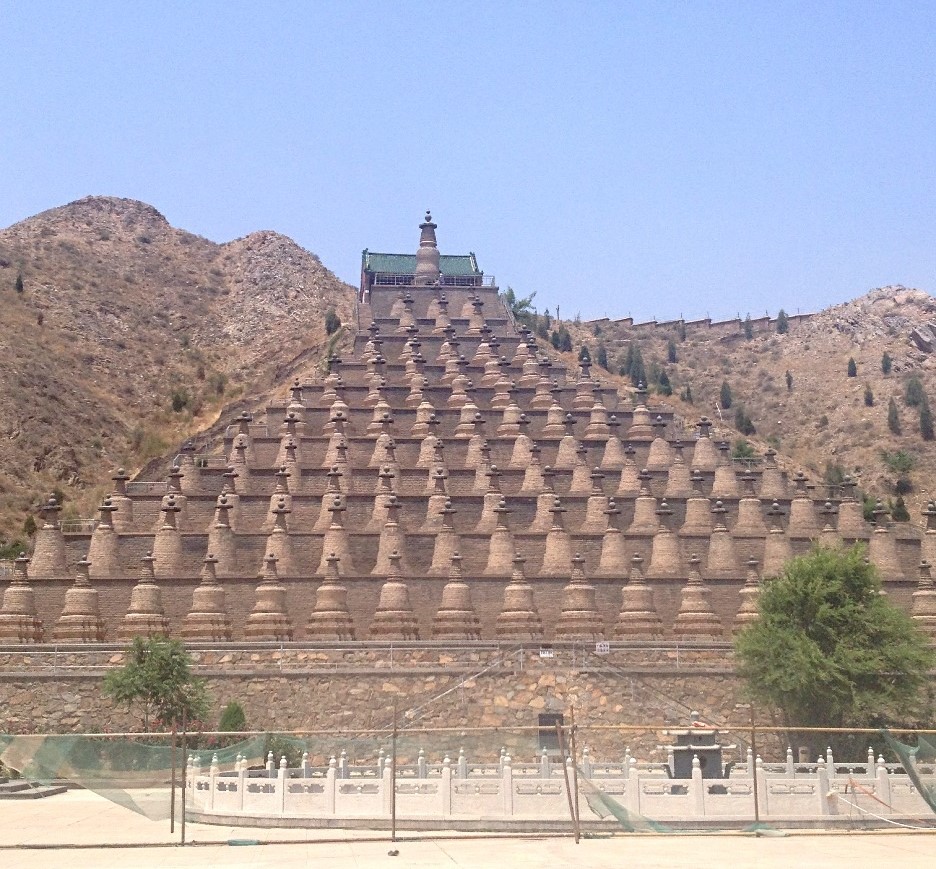
In this lecture, Venerable Shi Dun-ke 釋頓可 will begin with an introduction of the recent inscription of the Western Xia Imperial Mausoleums as China’s 60th UNESCO World Heritage Site which has brought this once-forgotten kingdom back into the spotlight. Yet, ever since the Qing dynasty scholar Zhang Shu (張澍) uncovered the bilingual Stele Commemorating the Renovation of the Gantong Stūpa at the State-Protection Monastery (重修護國寺感應塔碑)—inscribed in both Tangut (黨項) and Chinese—our understanding of the Western Xia (西夏), from its script and art to its religious traditions, has steadily reshaped long-held historical assumptions.

Notable examples abound. In the history of printing, the Auspicious Tantra of All-Reaching Union (吉祥遍至口合本續) has pushed back the earliest confirmed use of wooden movable-type printing by at least a century. Politically, the institution of Buddhist monks serving as imperial preceptors, once attributed to the Yuan dynasty, may in fact have originated in the Western Xia. Religiously, though the dynasty lasted barely two centuries (1038–1227), its dual patronage of Sinitic and Tibetan Buddhism left an indelible mark, fundamentally altering the Buddhist traditions of subsequent dynasties (Yuan, Ming, and Qing) and redefining imperial China’s religious landscape.

This presentation will examine the Western Xia through the lenses of its people, history, culture, and religion, providing a comprehensive yet accessible overview of its enduring legacy.

Speaker

Venerable Shi Dun-ke 釋頓可 is a Buddhist monk and a dual-lineage holder in Chinese Buddhism, serving as the 46th generation successor of the Linji School (臨濟宗) and the 34th generation successor of the Qianhua Vinaya School (南山律宗). Combining monastic training with academic scholarship, he holds a Bachelor of Medicine from Sun Yat-sen University and a Bachelor of Buddhist Studies from the Buddhist Academy of China. Currently pursuing a Master of Buddhist Studies at the University of Hong Kong, his research focuses on Madhyamaka philosophy and Tangut Buddhism, with specialized interest in the intellectual history and scriptural transmission of Buddhism in the Western Xia Empire.

Photo credit to Venerable Shi Dun-ke 釋頓可

Private viewing: “Engaging Past Wisdom: Min Chiu Society At Sixty-five” with Lawrence Chan, Chairman of Min Chiu Society and Hilda Mak, Curator at HKMoA (Conducted in Cantonese)


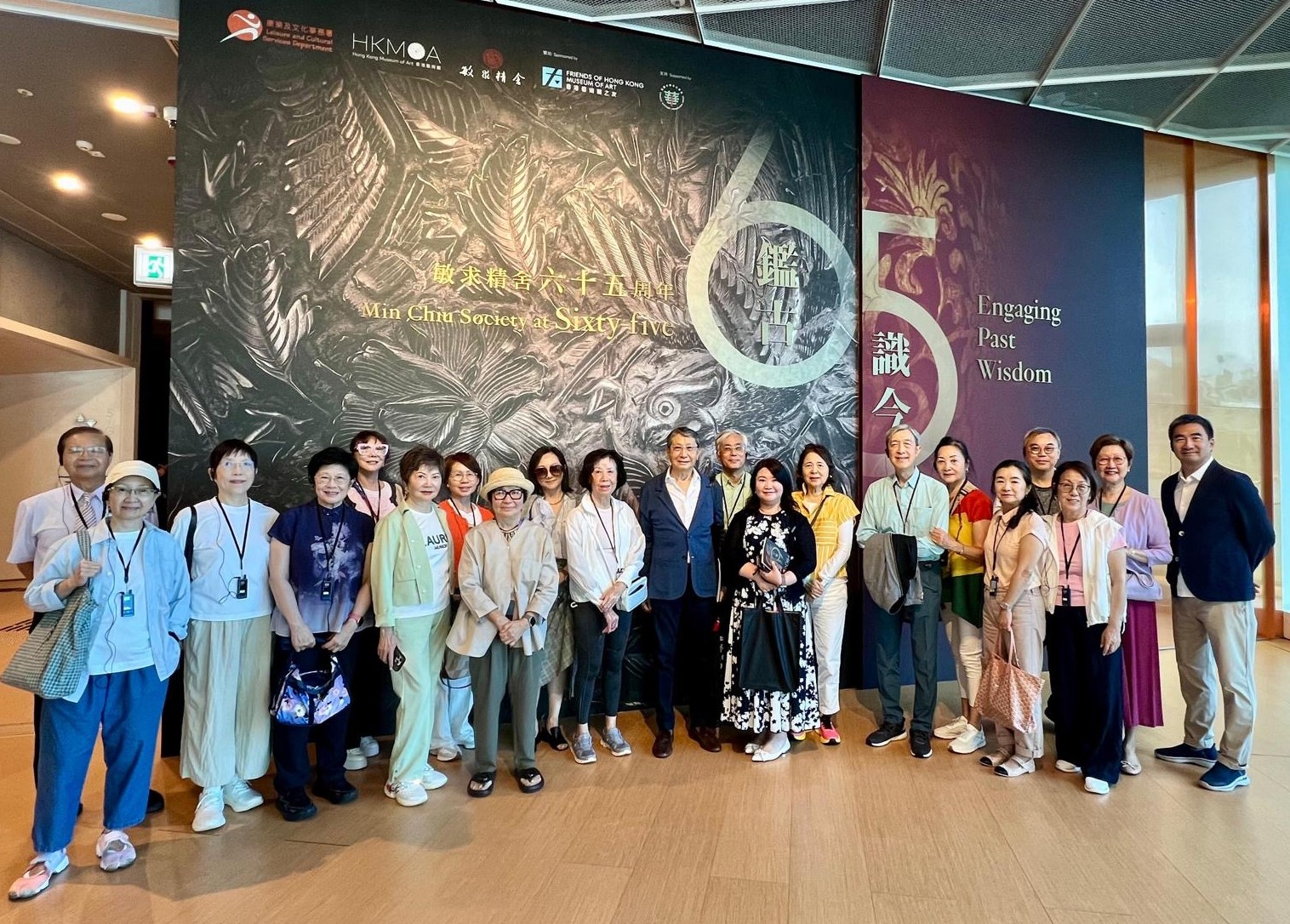
The HKU Museum Society is delighted to present a guided viewing of “Engaging Past Wisdom:  Min Chiu Society at Sixty-five” with the Chairman of Min Chiu Society, Lawrence Chan and the Curator of Chinese Antiquities at the Hong Kong Museum of Art, Hilda Mak.

As the title of this exhibition denotes, Chinese characters can uphold both literal and metaphorical meanings.  So also are objects that serve practical purposes as well as convey symbolic significance and deeper meanings.  Such is the path that led to the embodiment of Dao which transcends verbal expressions.  Ancient artifacts not only reflect the Chinese reverence for nature and quest for harmony, they are also ciphers to antiquity’s intellectual world. 

It is the mission and passion of the distinguished members of the Min Chiu Society to “revere antiquity while diligently seeking knowledge.”  The collectors embrace a tradition of meticulous study and have attained international acclaim for their practice that rises above mere collecting.  This 65th anniversary exhibition features over 400 sets of precious Chinese artifacts from their collections, including ceramics, bronzes, paintings, calligraphy, jades, lacquerware, furniture, bamboo carvings and snuff bottles.  This milestone celebration is for the enjoyment, appreciation, and enlightenment for all. 

We are honoured to have the Chairman of Min Chiu Society, Lawrence Chan to personally guide us through this remarkable collection.  We are also fortunate to have the Curator of Chinese Antiquities, Hilda Mak at the Hong Kong Museum of Art to present us with the key pieces of this exhibition. 

Please join us as we retrace the path in deciphering the past to shed light on the present.


Speakers

Lawrence Chan is the Chairman of the Organising Committee of the Min Chiu Society for both the 65th and 60th Anniversary Exhibitions.  He is the current Chairman of the Min Chiu Society as well as the past Chair from 2017-2019.  Mr. Chan is also a committee member of the Hong Kong Palace Museum Acquisition Committee since its inception in 1997, and is the owner and publisher of Chinese Ceramics from the Da Weng Tang Collection, 2020.


Hilda Mak is the Curator of Chinese Antiquities of the Hong Kong Museum of Art (HKMoA). Her recent curatorial credits have included “Engaging Past Wisdom: Min Chiu Society at Sixty-five”, “Life Planning of the Chinese Literati: Selected Chinese Painting and Calligraphy from the Xubaizhai Collection”, “# popcolours: The Aesthetics Hues in Antiquities from the HKMoA Collection”, “Eternal Enlightenment: the Virtual World of Jiajing Emperor” and “Honouring Tradition and Heritage: Min Chiu Society at Sixty”.


More information about the exhibition can be found at:

https://hk.art.museum/en/web/ma/exhibitions-and-events/engaging-past-wisdom.html


Photo credit to HKMoA

Studio Visit: Sculpture and Poetry with Danny Lee Chin Fai (Conducted in Cantonese)

The HKU Museum Society is pleased to organise – Sculpture and Poetry, a visit to Danny Lee Chin Fai’s Studio. A seasoned sculptor in Hong Kong, Danny creates sculptures that are rooted in the traditional spirit of Chinese ink. Through the essence of “Mountains and Streams” with modern adaptations, his works express the beauty, simplicity and poetry of Eastern culture. Possessing the freedom and boundless creativity absorbed in the environment, his sculptures convey a uniquely creative but also inclusive and comprehensive art language. Danny Lee has been invited to participate in various art events. He represented Hong Kong in the commemorative sculpture park project for the APEC summit in Da Nang (Vietnam). His works has also been collected by Hong Kong Museum of Art, Hong Kong Heritage Museum, and others.

李展輝是本港著名雕塑家,他的作品以傳統為本,散發中國水墨藝術的精神,藉「山水」意境及現代性手法,傳遞東方美學的詩意和樸素,與環境融合,卻亦擁有自由的領域及創作的無限可能性,構成其獨特且兼容並蓄的藝術語言。李展輝的作品曾代表香港參與亞太經合組織會議峴港雕塑公園紀念項目(越南) 等,亦為香港藝術館、香港文化博物館等收藏。

Photo credit: Danny Lee Chin Fai’s Studio