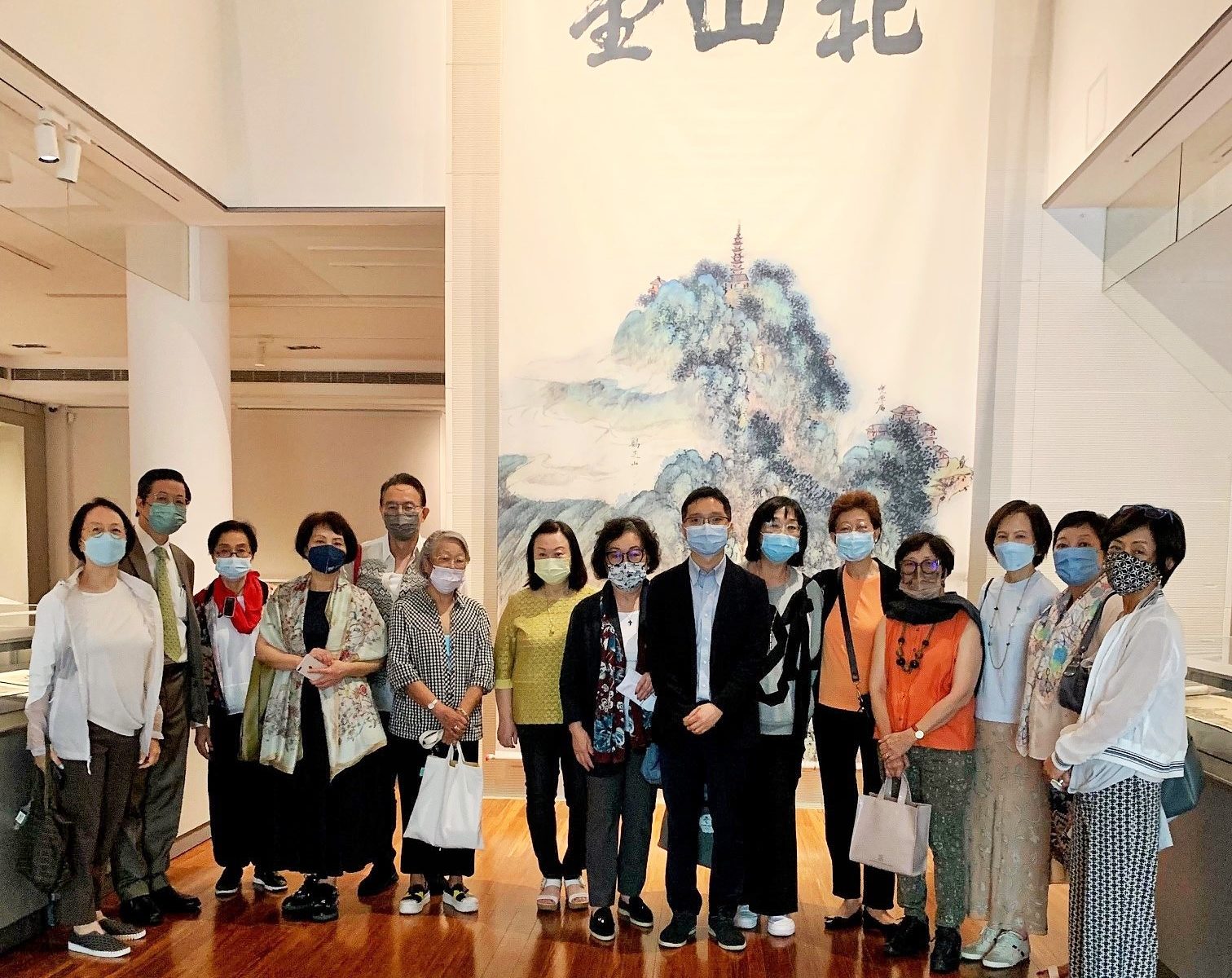
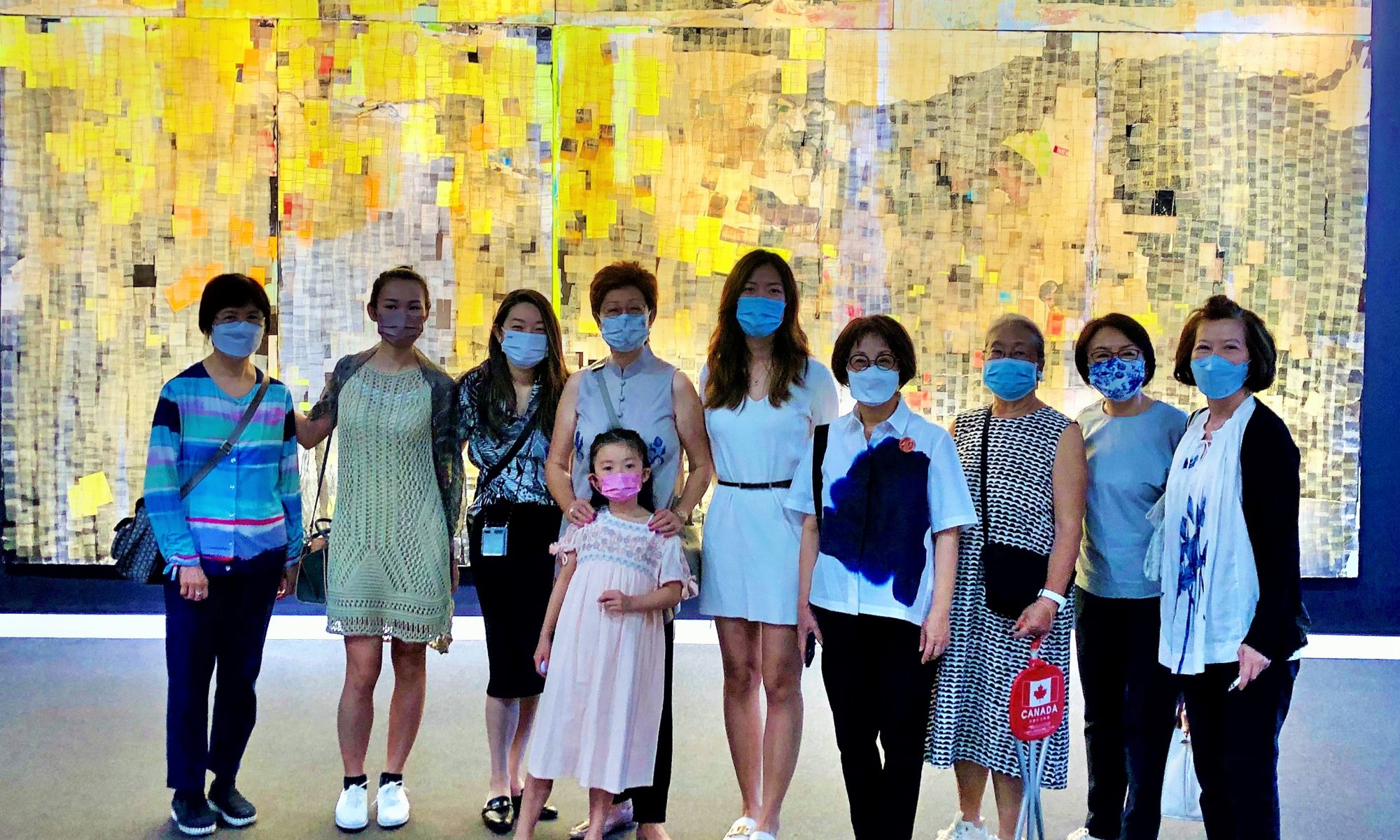
Guided Viewing: “Art Machines: Past/Present” with Dr. Isabelle Frank, Director of the Indra and Harry Banga Gallery

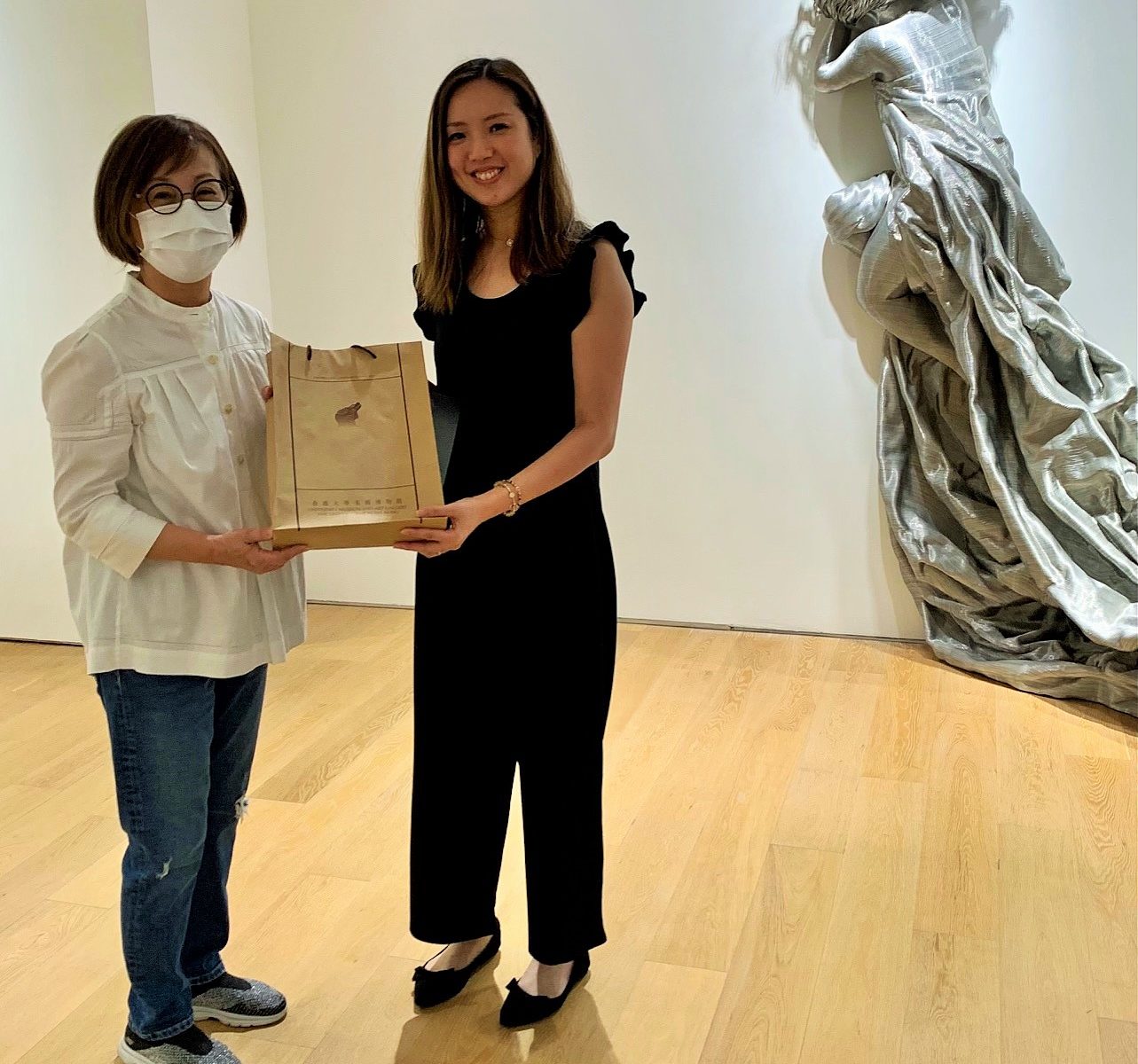
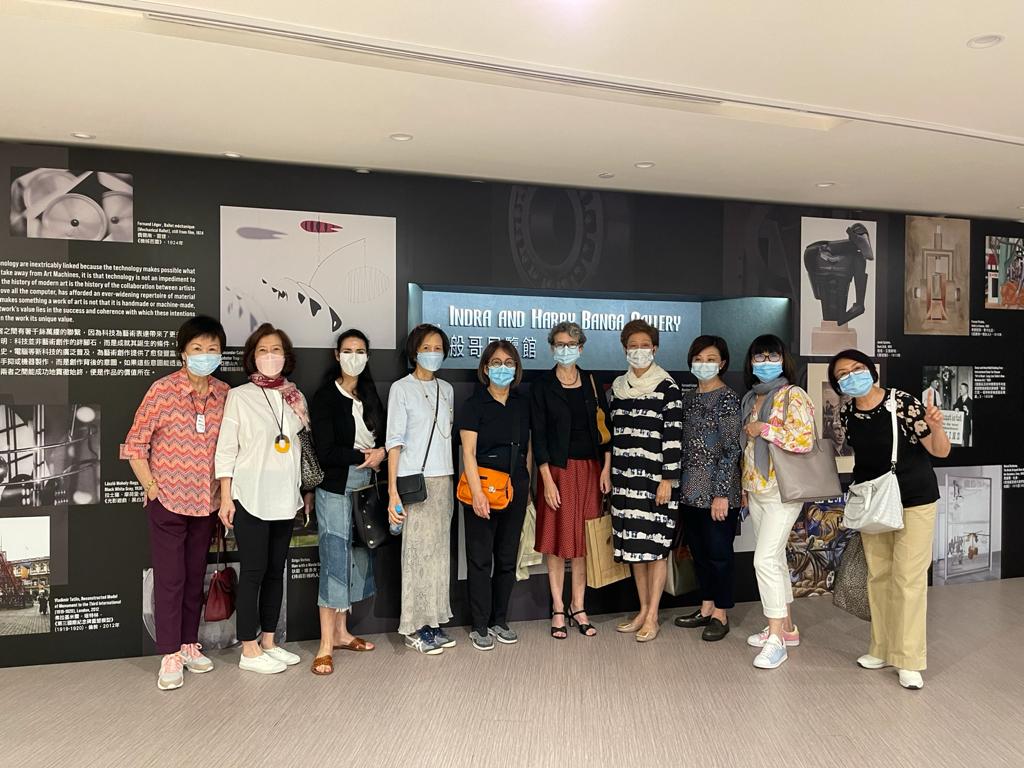
The HKU Museum Society is pleased to visit the exhibition Art Machines: Past / Present with Dr. Isabelle Frank, Director of the Indra and Harry Banga Gallery at City University.


Art Machines: Past / Present, curated by Professors Richard Allen and Jeffrey Shaw, explores the long-standing connection between artmaking and machines. The history of artmaking and the history of tools and technology are inextricably linked because the technology makes possible what can be expressed. If there is one idea that visitor should take away from Art Machines, it is that technology is not an impediment to the making of art but a condition of its possibility. To this end, the curators have assembled 34 artworks by 25 artists who create artworks with and through machines (be they mechanical or computational). Well-known Hong Kong artists such as Maurice Benayoun, Carla Chan, Daniel Howe, Joseph Chan, Tobias Klein, Vvzela Kook, Hector Rodriguez, Stanley Wong (anothermountainman), and Ip Yuk Yiu (among others) unveil the rich and widely ramified range of expressive possibilities that machine-based art affords.


Dr. Isabelle Frank focuses on curating exhibitions that combine technology and the arts and bridge Western and Asian cultures.  An art historian by training with a PhD from Harvard University, she first taught at the Bard Graduate Center for Studies in the Decorative Arts and was then Associate Dean for Academic Affair at The New School, and Dean at Fordham University’s School of Professional and Continuing Studies.  She has published on Italian Renaissance art and decorative art as well as edited many exhibition catalogues for the City University Exhibition Gallery, including Cabinets of curiosities, Art Deco. The France-China Connection, and most recently Leonardo da Vinci: Art & Science, Then & Now.


Guided Viewing at Art Central

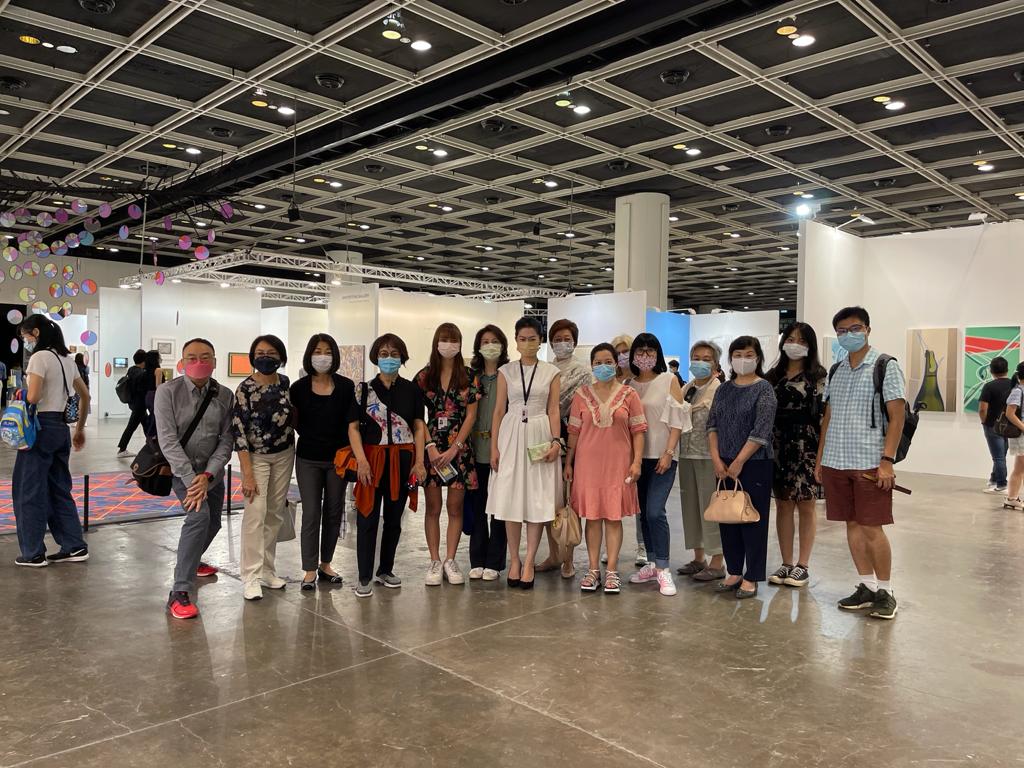
Art Central, a cornerstone event of Hong Kong Art Week, showcases the next generation of talent from Asia’s most innovative galleries alongside distinguished artists from around the world. Presented in partnership with United Overseas Bank (UOB), Art Central 2021 takes place 20 – 23 May 2021 at the Hong Kong Convention and Exhibition Centre.

Now in its sixth edition, Art Central has established itself as an international platform for pushing boundaries in contemporary art and experimentation and is recognized as a place of discovery for seasoned collectors and new buyers alike.

The Fair provides a platform for museum-quality artworks from more established names to be exhibited alongside cutting-edge works by emerging artists across different mediums.


Details: https://artcentralhongkong.com/

Joint UMAG Programme –Embroidery Workshop (In Cantonese)

UMAG’s silk textile collection encompasses a diverse range of subjects and formats. Among these is an embroidered calligraphic panel Mandarin Ducks and Peach Blossoms that derives from a couplet written by Wong Tonghe (1830-1904), a Qing dynasty official and calligrapher. It illustrates the harmonious figures of He He Er Xian, birds and flowers.

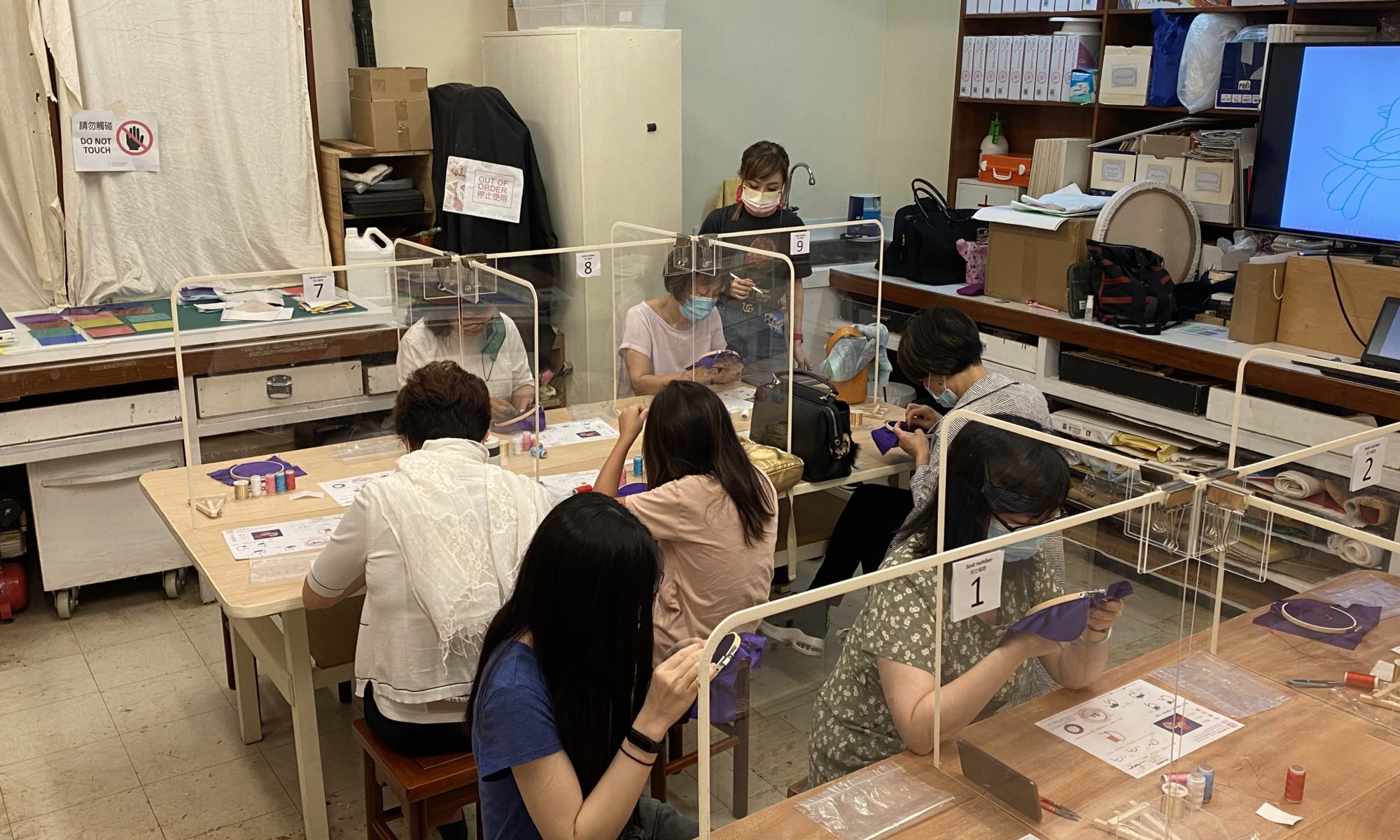
Organised in conjunction with the exhibition Pictorial Silks: Chinese Textiles from the UMAG Collection, this workshop introduces the basic techniques to create an embroidered peony and magpie.  From this experience, participants will better appreciate the skills and patience required in this art craft. 


Resource Person

Miru Wong is the third-generation artisan of a Hong Kong embroidered shoe shop.  A designer and craftsperson, she received her bachelor’s degree in visual communication from the Hong Kong Polytechnic University. Wong produces embroidered shoes by combining hand weaving and shoemaking technology. She is also the author of Embroidered Shoes (Xiuhuaxie), which won the “Publishing Award” for Art and Design in the “Hong Kong Publishing Biennial Awards 2017”.


《芍藥·喜鵲》刺繡工作坊 (粵語)

香港大學美術博物館所藏的絲織品形式多樣,内容豐富。當中包括取材自清官翁同龢(1830-1904)的刺綉書法對聯、描繪和合二仙寓意吉祥的道教人物,以及刻畫花鳥美景的圖像。

為配合《如絲如畫》展覽,本課程將介紹基本刺繡技巧。參加者將以擻和針、切針和平針等針法繡出栩栩如生的芍藥喜鵲圖案,切身體會織造工藝所需的耐性及精湛技法。


導師簡介
Miru Wong,香港繡花鞋店的第三代傳人,身兼設計師及手藝師,於香港理工大學視覺傳意學士畢業。其鞋履融合了刺繡工藝及造鞋技術的結晶。另著有《繡花鞋》一書,曾獲得「香港出版雙年獎2017」(藝術及設計)之「出版獎」。

In Touch with Nature – Outing to Sai Kung

The Executive Committee is pleased to organize a private luncheon at one-thirtyone with special guest speaker, Dr. Lawrence Lee.  A chartered biologist of the Royal Society of Biology, Dr. Lee is the Former Director of Agriculture & Fisheries. In this short talk in Cantonese, he will share with us his passion for studying insects and reveal interesting insect behaviors along with other secrets of nature.

Nestled in the bay of Three Fathoms Cove, one-thirtyone is a European restaurant with dishes created from locally sourced produce.  The 3-storey Mediterranean style building in Sai Kung provides a mesmerizing backdrop to enjoy a delectable 4 course lunch.  This will be followed by a visit to the nearby Garden Farm, a teaching farm and a social enterprise promoting the protection of ecological balance, and organic and natural cultivation methods.  It was established to provide diversified services and activities to schools, clubs and families.  Through special games and teaching materials, the farm allows children and their families to experience the joy of organic farming and understand how important it is to protect mother nature.  There will be an opportunity to shop for some organic products and produce! Please remember to BYOB (bring your own bag)!


Speaker

Dr. Lawrence Lee (李熙瑜) has a keen interest in studying insects.  This, together with his rich biological knowledge and vivid writing technique, have enabled him to have written a series of interesting and easily readable science-promoting books 「尋蟲記」(In Search of Small Creatures), two volumes of which have been awarded book prizes in Hong Kong.

After Dr. Lee’s retirement from the Agriculture and Fisheries Department, he had served as the Field Director or the Kadoorie Agricultural Research Center of the HKU. He is currently still serving as a Member of the Board of Directors of the Kadoorie Farm & Botanic Garden, the Chairman of the Agriculture & Fisheries Technology Promotion Association, and the Chairman of the Hong Kong Organic Agriculture and Ecological Studies Association.

Gallery Visit and Afternoon Tea at The Repulse Bay

For a languorous change of pace, join us for a gallery visit with the artist Shen Ping followed with a classic afternoon tea at The Repulse Bay!

The Executive Committee is pleased to organize a visit to Artspace K, a newly established gallery in The Repulse Bay dedicated to promoting works by contemporary artists.  Their current exhibition Remember Them? Old Businesses in Hong Kong through Eyes of Artists features four renowned Hong Kong artists from different generations and creative styles — Au Yeung Nai Chim, Shen Ping, Cassian Lau and Wai Wai.  Their works celebrate the city’s long-forgotten and disappearing businesses from the 1960s and 1970s.  Evoking nostalgia with every stroke, their creations of seemingly ordinary and everyday Hong Kong scenes take viewers on a journey through the city’s history and the craftsmen, merchants and shopkeepers who played key roles in its social and economic life.

After the visit, we will meander to The Verandah at The Repulse Bay for a classic afternoon tea with sandwiches, savoury pastries, homemade scones with clotted cream and assorted tea cakes.  Over a brew of selected Peninsula tea and in the gracious setting of the former hotel, we can enjoy the beautiful sea view and remember once more the colours and sights of old Hong Kong.


About the Artists

Au Yeung Nai Chim was born in Xinhui, Guangdong in 1931. Au settled in Hong Kong at the age of seven. An art lover since childhood, he taught himself various types of art and media, including drawing, sketching and watercolour. For more than 70 years, he has persisted in sketching outdoors, with his footprints covering many parts of Hong Kong and China. In the mid-1990s, he spent five years setting foot in every corner of Hong Kong, producing nearly 2,000 sketches along the way. With his keen observation, he captures the urban scenes of Hong Kong, showcasing the city’s transition between periods in history and its unique blend of the old and the new. A strong Hong Kong sentiment is embodied in his works, a document of Hong Kong people’s shared memories.  An outstanding Hong Kong painter, his works have also been collected by the Hong Kong Museum of Art, the Hong Kong Heritage Museum and the National Art Museum of China.

Shen Ping was born in Beijing in 1947 and raised in Shanghai. Shen went to Urumqi, Xinjiang in 1963 for work related to fine art. He furthered his studies at Zhejiang Academy of Fine Arts in 1974 and settled in Hong Kong in 1980. Shen Ping is specialised in watercolour, oil painting and Chinese ink painting. He finds Hong Kong a charming place and has travelled the streets and alleys to capture all aspects of the local culture. His goal is to record historical changes with his paint brushes, telling the details of Hong Kong people’s lives, using these ordinary moments as a way to draw viewers into the spirit of the era depicted.  His works have been collected by the Hong Kong Museum of Art, the Hong Kong Heritage Museum and the National Art Museum of China.

Cassian Lau was born in Hong Kong in 1968 and moved to Canada with his family when he was five years old. In the mid-1990s, shortly after graduating from university, he moved back to Hong Kong and started a successful fashion retail business. However, he wanted to realise his artistic vision and decided to devote himself full-time to his art. His works present a pop art style, with cartoon characters or animals making regular appearances in bright, vivid colours that are contagiously joyful and positive. He hopes that people can discover something new every time they look at his work, as this is what makes art memorable and everlasting.

Wai Wai was born in Yau Ma Tei, Hong Kong and graduated in 2012 with a Bachelor of Arts with a film major in Creative Media from City University of Hong Kong. As a story lover, she loves visiting small shops in different industries in Hong Kong to get inspiration. In addition to documenting their daily activities with watercolour paintings, Wai Wai also likes to incorporate their individual stories into her works.  In recent years, she has devoted herself to illustration, iron-gate painting, mural painting, teaching and silhouette work. She said, “Drawing is a bridge that helps us see beyond ourselves and to get to know others and the community we live in. It is amazing to see that small shop owners appreciate their shops from another perspective through my works.”

Guided Viewing: “Pictorial Silks: Chinese Textiles from the UMAG Collection” with Ms Lee Meiyin (Members only event)

The HKU Museum Society and the University Museum and Art Gallery are pleased to present a third guided viewing of current exhibition, Pictorial Silks: Chinese Textiles from the UMAG Collection. We will be guided by Ms. Lee Meiyin.


Pictorial Silks: Chinese Textiles from the UMAG Collection

Prized by Chinese and foreign merchants as an essential commodity along a vast trade network, silk served multiple roles throughout the ancient world: as fabric for garments, as a form of currency and method of tax payment, and as a medium and subject matter for professional artists and the literati class. Over the centuries, silk fabrics have remained synonymous with beauty and are entwined throughout the history of Chinese art and literature.

Beginning in the Song dynasty (960-1279) and flourishing into the Qing (1644-1911), craftsmen took up shuttles and needles as their brushes and silk threads as their pigments, creating exquisitely woven and embroidered pictorial and calligraphic works. In the hands of the weavers and embroiderers, weft-woven silk tapestry (kesi) and embroidery (cixiu) evolved into an art form—a fusion of painting, calligraphy and hand weaving or embroidering for aesthetic appreciation. When viewed together, the interdisciplinary nature of these vivid depictions of images and text occupy a unique and unbroken place within the history of Chinese visual culture.

Extending from the Qing dynasty to the mid-20th century, UMAG’s silk textile collection encompasses a diverse range of subjects and formats that include hanging scrolls, framed panels, banners and robes. Each artwork exemplifies the sophisticated craftsmanship of the artisans and the collective stories of the Qing dynasty’s textile industry.


Resource Persons

Ms. Lee Meiyin’s areas of research include the history, art and costumes of the ethnic minorities of China, Buddhist art, Dunhuang art, silk and embroideries.  She previously served as HKUSPACE guest lecturer (2000-2010), as well as a member of the Intangible Cultural Heritage Advisory Committee.  She is currently a specially appointed research fellow of Dunhuang Academy, a visiting associate professor of the Chu Hai College, and a Vice President of the Friends of Dunhuang (Hong Kong).  She also serves on the Board of Dunhuang Grottoes Preservation and Research Foundation of China, and as an expert advisor to the public museums of Hong Kong.


Boys at play

China
Qing dynasty (1644–1911)
18th century
Kesi (silk tapestry) with metallic threads
Panel
35.8 x 34.4 cm
Gift of Dr Lam Kwok Pun
HKU.T.2008.1666
Image Courtesy of the University Museum and Art Gallery, HKU

Lecture and Gallery Visit: “Who is Yoshitomo Nara?” with Dr. Yeewan Koon at the Kwai Fung Hin Art Gallery

The HKU Museum Society is pleased to invite Dr. Yeewan Koon, author of the newly published monograph Nara Yoshitomo (Phaidon, 2020) to share her research on Nara and her experience of working with the artist.  In conversation with Catherine Kwai, the lecture will be followed with a guided tour of the current exhibition at the new Kwai Fung Hin Art Gallery in Chai Wan. 

Renowned for the big-headed girls, Yoshitomo Nara is one of Japan’s most iconic artists of our time. Inspired by music, literature, childhood memories, Nara explores the themes of isolation, rebellion, and spirituality through painting, sculpture, ceramic and installation.


Lecture Synopsis

Yoshitomo Nara is an international artist but whose fame sometimes eclipse our understanding of his art. This talk provides an introduction to his practice, the events that have shaped them, and the new directions being taken in his artworks. This lecture is also a lesson in looking. We will spend time examining and discussing his works by looking closely at how he paints and to use our discoveries to enrich our understanding of who is Yoshitomo Nara.


Speaker

Dr. Yeewan Koon is Associate Professor and Chair of the Department of Art History at The University of Hong Kong. She has published numerous works including Nara Yoshitomo (2020), “A Chinese Canton? Painting the Local in Export Art” (2018) and A Defiant Brush: Su Renshan and the Politics of Painting in 19th Century Guangdong (2014). She is the recipient of several research awards including a Fulbright Senior Fellowship, American Council of Learned Scholars, and visiting scholarships at Cambridge University and Columbia University. Dr. Koon also works in the contemporary art field as a critic and curator. In 2014, she was guest curator of It Begins with Metamorphosis: Xu Bing at the Asia Society, Hong Kong Center, and was one of the selected curators for the 12th Gwangju Biennale, 2018. She is currently working on an international exhibition of Hong Kong art for 2021.


Moderator

Ms Catherine Kwai is the Founder and Managing Director of Kwai Fung Hin Art Gallery. She established Kwai Fung Hin Art Gallery in 1991, motivated by a passion for art and her wish to bridge the cultural exchange between China and the West. Kwai Fung Hin reflects the strength and knowledge for the 20th century art in China and Europe. In the past 30 years, Kwai Fung Hin has organized over 100 exhibitions at the gallery and has collaborated and curated exhibitions with renowned museums and institutes. Kwai Fung Hin has collaborated with international publishing house Rizzoli to publish artists’ monograph. In 2011, Ms Catherine Kwai was made “Knight of the National Order of the Merit” for her contribution to the arts.

[ONLINE] Lecture: “Who is Yoshitomo Nara?” with Dr. Yeewan Koon

To register for the online lecture, please visit:  https://forms.gle/NcD6zymxmUfdeAvL7


Renowned for the big-headed girls, Yoshitomo Nara is one of Japan’s most iconic artists of our time. Inspired by music, literature, childhood memories, Nara explores the themes of isolation, rebellion, and spirituality through painting, sculpture, ceramic and installation.

The HKU Museum Society is pleased to invite Dr. Yeewan Koon, author of the newly published monograph Nara Yoshitomo (Phaidon, 2020) to share her research on Nara and her experience of working with the artist.  This talk will be moderated by Catherine Kwai, Founder and Managing Director of Kwai Fung Hin Art Gallery.


Lecture Synopsis

Yoshitomo Nara is an international artist but whose fame sometimes eclipse our understanding of his art. This talk provides an introduction to his practice, the events that have shaped them, and the new directions being taken in his artworks. This lecture is also a lesson in looking. We will spend time examining and discussing his works by looking closely at how he paints and to use our discoveries to enrich our understanding of who is Yoshitomo Nara.


Speaker

Dr. Yeewan Koon is Associate Professor and Chair of the Department of Art History at The University of Hong Kong. She has published numerous works including Nara Yoshitomo (2020), “A Chinese Canton? Painting the Local in Export Art” (2018) and A Defiant Brush: Su Renshan and the Politics of Painting in 19th Century Guangdong (2014). She is the recipient of several research awards including a Fulbright Senior Fellowship, American Council of Learned Scholars, and visiting scholarships at Cambridge University and Columbia University. Dr. Koon also works in the contemporary art field as a critic and curator. In 2014, she was guest curator of It Begins with Metamorphosis: Xu Bing at the Asia Society, Hong Kong Center, and was one of the selected curators for the 12th Gwangju Biennale, 2018. She is currently working on an international exhibition of Hong Kong art for 2021.


Moderator

Ms Catherine Kwai is the Founder and Managing Director of Kwai Fung Hin Art Gallery. She established Kwai Fung Hin Art Gallery in 1991, motivated by a passion for art and her wish to bridge the cultural exchange between China and the West. Kwai Fung Hin reflects the strength and knowledge for the 20th century art in China and Europe. In the past 30 years, Kwai Fung Hin has organized over 100 exhibitions at the gallery and has collaborated and curated exhibitions with renowned museums and institutes. Kwai Fung Hin has collaborated with international publishing house Rizzoli to publish artists’ monograph. In 2011, Ms Catherine Kwai was made “Knight of the National Order of the Merit” for her contribution to the arts.

Guided Viewing: “Colours of Congo: Patterns, Symbols and Narratives in 20th-Century Congolese Paintings” with Dr Florian Knothe and Viewing and Demonstration: “Painting Across The Threshold: Ng Lung Wai” with Ng Lung Wai (Members only event)

**Please note that only Fung Ping Shan Building entry is open for visitors. Participants are required by the UMAG to wear a mask, to use the “LeaveHomeSafe” mobile app or provide their personal contact details onsite.

For more precautionary measures please click:
https://www.umag.hku.hk/en/visit_us.php?id=121399


The HKU Museum Society and the University Museum and Art Gallery are pleased to present two guided viewings.  The first exhibition Colours of Congo: Patterns, Symbols and Narratives in 20th-Century Congolese Paintings will be guided by Museum Director Dr. Florian Knothe.  The second exhibition Painting Across The Threshold: Ng Lung Wai will include a guided viewing and a demonstration by the artist. 


Colours of Congo: Patterns, Symbols and Narratives in 20th-Century Congolese Paintings

Thanks to unprecedented access to extensive archives and art collections, the exhibition’s narrative presents a generous overview of paintings that were instigated when a single artist from Belgium began a painting workshop so as to collaborate with the indigenous population of Elisabethville (modern-day Lubumbashi). This first studio was followed by other workshops that assisted in developing a hybrid artform that remains a celebrated phenomenon.

The European influence of painting first began with Georges Thiry, who worked for Belgium’s colonial administration starting in 1926. In Elisabethville, Thiry had noticed a series of painted murals of crocodiles and birds. He inquired about the artist and was introduced to Albert Lubaki. Thiry was fascinated by the artist Lubaki, his wife, and the other community members who continued to document their connection to the natural world through wall paintings.

The exhibition and accompanying volume of essays primarily examines this group of paintings as artworks worth considering on their own merits—describing their techniques and inherent beauty, while acknowledging that their iconographic contents reflect daily life within village communities. The juxtaposition of European artists and artistic materials brought to Africa, and the display of African paintings in European art metropolises, initiated decades of intense collaboration and cultural exchange.


Dr. Florian Knothe teaches the history of decorative arts in the 17th and 18th century with particular focus on the social and historic importance of royal French manufacture. He has long been interested in the early modern fascination with Chinoiserie and the way royal workshops and smaller private enterprises helped to create and cater to this long-lasting fashion. Dr. Knothe worked at The Metropolitan Museum of Art focusing on European Sculpture and Decorative Arts, and on European and East Asian glass at The Corning Museum of Glass, before his current position as Director of the University Museum and Art Gallery at HKU.

Sylvestre Kaballa
Untitled (The Nativity)
Oil on canvas, 50 x 66 cm
Signed ‘Kaballa. Syl. / E/ ville 1956’
1956
Pierre Loos Collection
Photo: Michael De Plaen


Painting Across The Threshold: Ng Lung Wai

Drawing inspiration from the traditional art of paper folding, this exhibition presents Ng Lung Wai’s ‘folding paint’ technique. Creating works of great sophistication from seemingly naive and childlike experiences, these vessels made from folded paint transform the artist’s childhood practice of folding paper boats into a highly personal visual language. More than an investigation into his own heritage and cultural roots, his works eloquently speak to our existential experiences, while simultaneously inviting us to delve into our respective memories and feelings.

The colours and visual elements incorporated by Ng contain the entirety of his lived experience. Similar to the message of Odysseus’ seafaring expedition, Ng’s boats in All the Best depict our collective voyage through life’s ups and downs. As the title implies, Chang Ming is inspired by Laozi’s Daodejing, which opens with the famous line ‘a way that can be followed is not a constant way, a name that can be named is not a constant name’. The knots in Chang Ming represent unanswered questions about human existence and our never-ending pursuit of the truth. An unanswered question is often more intriguing than an answered one, as the former never stops producing possibilities.

Painting Across The Threshold is the first exhibition of the UMAG_STArts series. It runs from March 12, 2021 to June 27, 2021.


Ng Lung Wai was born in Hong Kong in 1971 and received his master’s degree in architecture from the Chinese University of Hong Kong. He first worked at an architectural firm and later at an interior design company. In 2001, Ng set up his own design and production house, working with local museums and exhibition venues on an array of projects. In addition to the aesthetic values developed during his architectural training, Ng also established a distinctive artistic approach and style that draws on his years of experience in organising exhibitions. Ng’s engagement with different modes of expression inspired his decision to become a full-time visual artist in 2013, after completing an award-winning heritage revitalisation project at Mei Ho House.

All the Best – Fire – 999
Ng Lung Wai
Folded Acrylic Paint on Canvas
2018
HKU.P.2020.2474

Guided Viewing: “Pictorial Silks: Chinese Textiles from the UMAG Collection” with Ms Lee Meiyin (Members only event)

**Please note that only Fung Ping Shan Building entry is open for visitors. Participants are required by the UMAG to wear a mask, to use the “LeaveHomeSafe” mobile app or provide their personal contact details onsite.

For more precautionary measures please click:
https://www.umag.hku.hk/en/visit_us.php?id=121399


The HKU Museum Society and the University Museum and Art Gallery are pleased to present a second guided viewing of current exhibition, Pictorial Silks: Chinese Textiles from the UMAG Collection. We will be guided by Ms. Lee Meiyin.


Pictorial Silks: Chinese Textiles from the UMAG Collection

Prized by Chinese and foreign merchants as an essential commodity along a vast trade network, silk served multiple roles throughout the ancient world: as fabric for garments, as a form of currency and method of tax payment, and as a medium and subject matter for professional artists and the literati class. Over the centuries, silk fabrics have remained synonymous with beauty and are entwined throughout the history of Chinese art and literature.

Beginning in the Song dynasty (960-1279) and flourishing into the Qing (1644-1911), craftsmen took up shuttles and needles as their brushes and silk threads as their pigments, creating exquisitely woven and embroidered pictorial and calligraphic works. In the hands of the weavers and embroiderers, weft-woven silk tapestry (kesi) and embroidery (cixiu) evolved into an art form—a fusion of painting, calligraphy and hand weaving or embroidering for aesthetic appreciation. When viewed together, the interdisciplinary nature of these vivid depictions of images and text occupy a unique and unbroken place within the history of Chinese visual culture.

Extending from the Qing dynasty to the mid-20th century, UMAG’s silk textile collection encompasses a diverse range of subjects and formats that include hanging scrolls, framed panels, banners and robes. Each artwork exemplifies the sophisticated craftsmanship of the artisans and the collective stories of the Qing dynasty’s textile industry.


Resource Persons

Ms. Lee Meiyin’s areas of research include the history, art and costumes of the ethnic minorities of China, Buddhist art, Dunhuang art, silk and embroideries.  She previously served as HKUSPACE guest lecturer (2000-2010), as well as a member of the Intangible Cultural Heritage Advisory Committee.  She is currently a specially appointed research fellow of Dunhuang Academy, a visiting associate professor of the Chu Hai College, and a Vice President of the Friends of Dunhuang (Hong Kong).  She also serves on the Board of Dunhuang Grottoes Preservation and Research Foundation of China, and as an expert advisor to the public museums of Hong Kong.

Ladies and children
China
Qing dynasty (1644–1911)
19th century
Silk
Panel
179 x 126.7 cm
Gift of Mr and Mrs Wellington Yee
HKU.T.2005.1595
Image Courtesy of the University Museum and Art Gallery, HKU