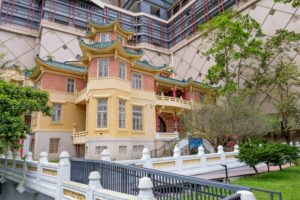
[ONLINE] Lecture: “Forgotten Heritage: Bishop Hill Service Reservoir in Sham Shui Po”

Watch the replay here: https://www.youtube.com/watch?v=PDERWLeoUVE


For registration, please visit: https://forms.gle/R5WxzDVSWpgBfic9A

Synopsis                                                                                   

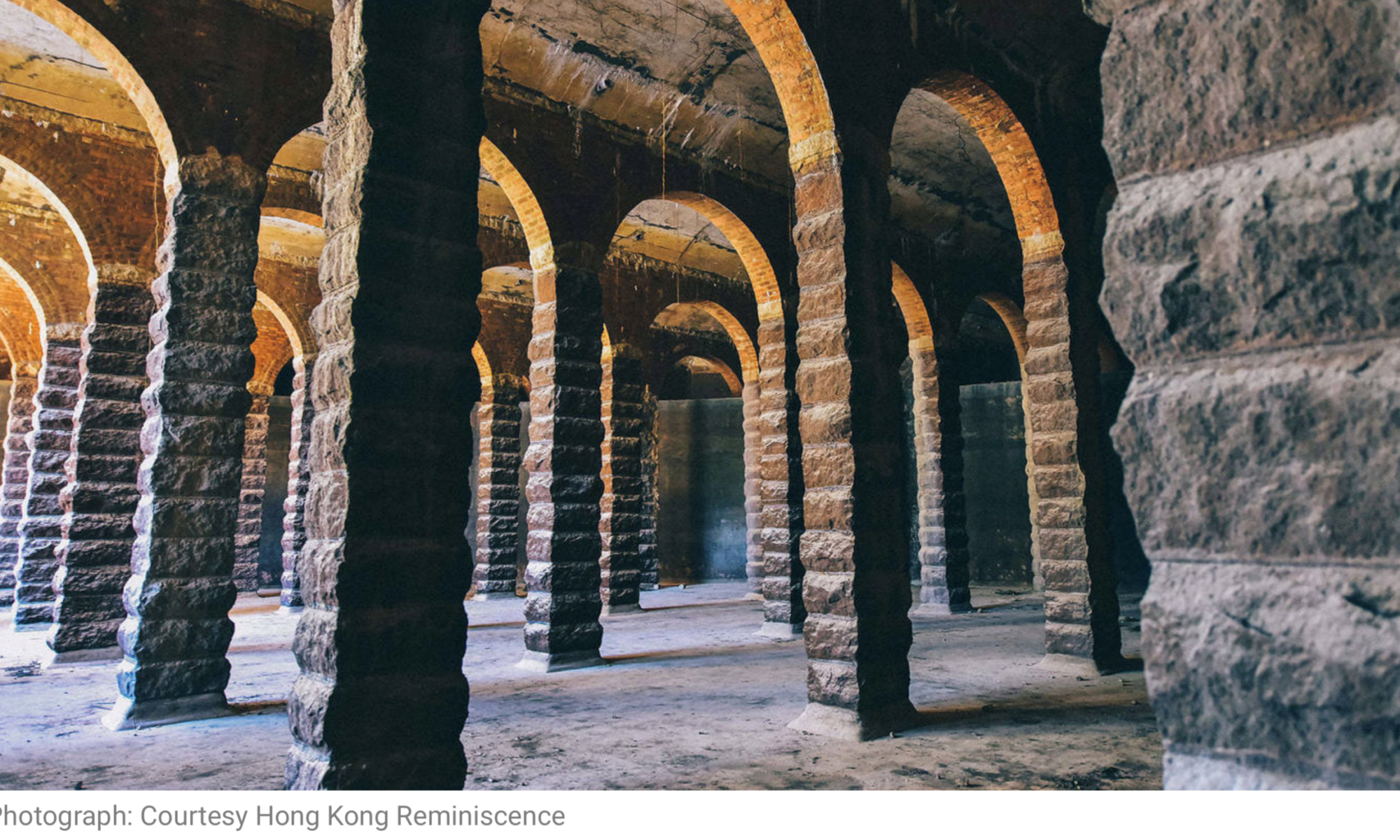
The near demolition of a forgotten century-old underground water reservoir in Shek Kip Mei, Sham Shui Po made headline news back in December 2020.  With widespread calls for its preservation, it has now been designated as a Grade 1 historical building by the Antiquities Advisory Board.  We have invited a panel of experts – Dr. Joseph Ting, Tymon Mellor and Fredo Cheung – to share insights on the cultural significance and the architectural pertinence of this reservoir and the pivotal role it played in the development of the Kowloon Peninsula.

Dr. Joseph Ting will begin with a talk about the historical and social context of HK around the early 1900s when the reservoir was built.

Tymon Mellor will recount the early history of Kowloon and its water supply, the politics and the technical problems to be overcome. The presentation will use archive maps, images and contemporary documents to show how the initial Kowloon water supply was planned and constructed covering the period of 1860 to 1910.

Fredo Cheung will provide an introduction to the Hong Kong built heritage grading system and assessment framework.  He will also discuss some of the limitations of the current system and framework which the recent Bishop Hill incident had revealed and how these limitations can be addressed.

Speakers

Dr. Joseph Ting majored in Chinese Literature and Chinese History from HKU and graduated with a BA degree in 1974.  He was conferred an MPhil in 1979 and a PhD in 1989, both from HKU.  Dr. Ting joined the HK Museum of Art as an Assistant Curator in 1979 and was appointed Chief Curator of the HK Museum of History in 1995.  He retired in 2007 after serving for 28 years.  He is currently an Honorary Assistant Professor in the School of Chinese at The University of Hong Kong, as well as an Adjunct Professor in the Department of History at the Chinese University of Hong Kong.

Tymon Mellor is a civil engineer who has been involved with the design and construction of many recent Hong Kong infrastructure projects.  He has an interest in old maps and what they can tell us about the development of the Territory and its infrastructure. He created and runs the hkmaps.hk website, which now has nearly 100 historic maps of Hong Kong and Southern China. In his spare time, he researches articles for the Industrial History of Hong Kong website, publishing over 70 articles in the past eight years. 

Fredo Cheung is the current Vice President of the Hong Kong Institute of Architectural Conservationists (HKICON).   Prior to his career as a built heritage conservation professional, he practiced in architecture, working for Leigh & Orange Architects and Ronald Lu & Partners.  He served as an adviser on the Buildings Department’s Technical Committee on Building Safety and Health Requirements for Historic Buildings Under the Buildings Ordinance and is frequently solicited by the Hong Kong media on issues related to heritage conservation in Hong Kong.   He is also Lecturer in Architectural Conservation at The University of Hong Kong and a contributing author of the book Asian Revitalization: Adaptive Reuse in Hong Kong, Shanghai, and Singapore published by HKU Press (2021).


This talk is presented by the HKU Museum Society with support from the following organisations:

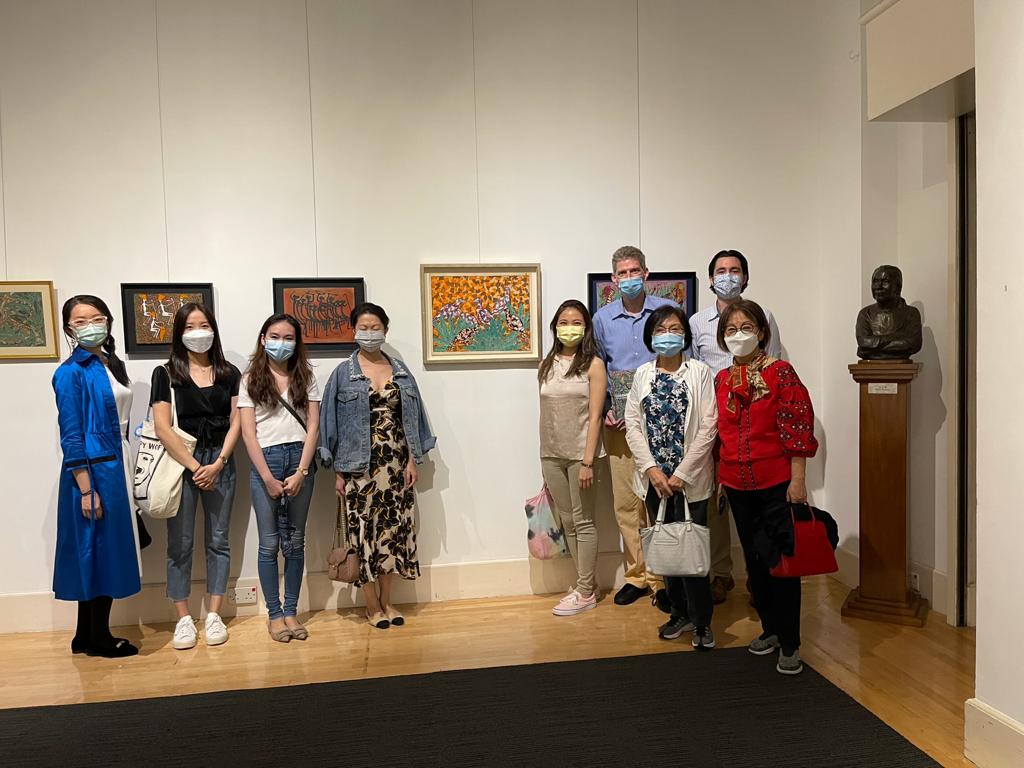
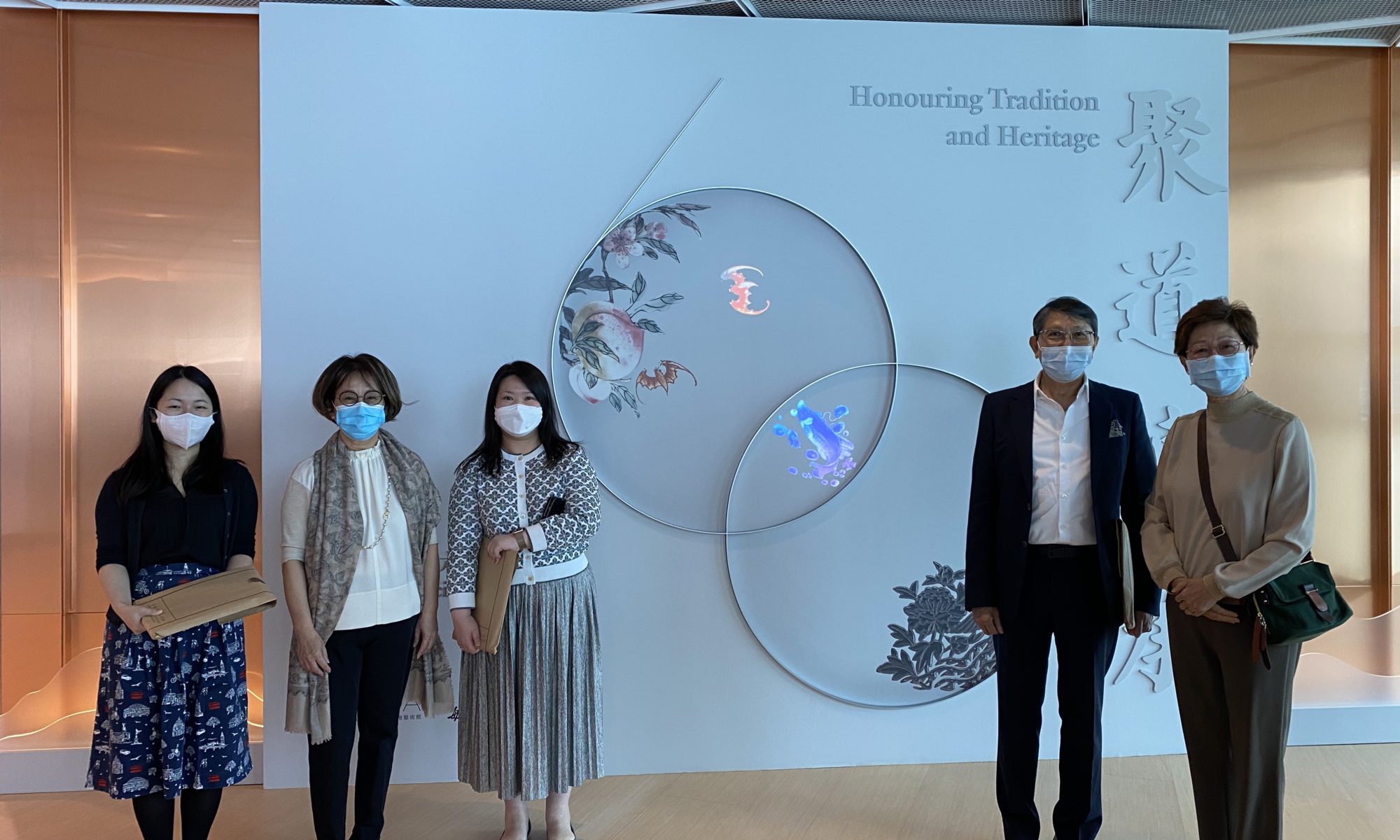
Private Viewing: ‘Honouring Tradition and Heritage: Min Chiu Society at Sixty’ With Lawrence Chan, Collector and Past Chairman of the Min Chiu Society

The HKU Museum Society is delighted to be extended a private guided viewing of the 60th Anniversary Exhibition of the Min Chiu Society held at the Hong Kong Museum of Art.  The Min Chiu Society is the premier collective of private collectors of fine Chinese arts and antiquities in Hong Kong. 

This exhibition showcases a splendid collection of masterpieces through the centuries in Chinese porcelain, ink paintings, textiles, furniture and more.  We are privileged to have Lawrence Chan, Chairman of the Organising Committee of this exhibition and Hilda Mak, Assistant Curator of Chinese Antiquities, to personally guide us through this spectacular array of rare and important objects of art, sharing the history and significance of each piece.

Lawrence Chan is the Chairman of the Organising Committee of the 60th Anniversary Exhibition.  He was Chairman of the Min Chiu Society from 2017-2019 and is the owner and publisher of Chinese Ceramics from the Dawentang Collection, 2020.

More information about the Min Chiu Society exhibition can be found here: https://www.lcsd.gov.hk/CE/Museum/Arts/en_US/web/ma/exhibitions-and-events/honouring-tradition-and-heritage-min-chiu-society-at-sixty.html

For an in-depth look of this tour, participant numbers are limited.  Your prompt registration is encouraged.

Guided viewing: ‘Passion Path to Cantonese Opera (Heritage • Journeys Continued)’ with Li Pui-yan at Haw Par Music

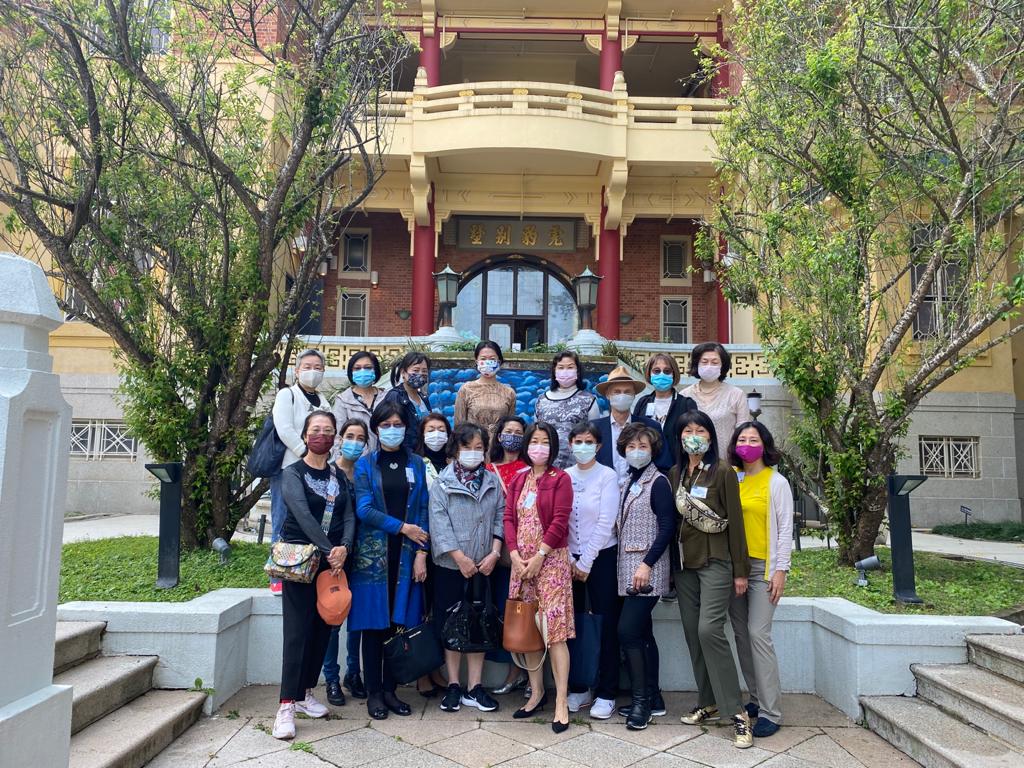
The Museum Society is pleased to work with Les Beatitudes and Haw Par Music as part of the Heritage x Music Festival to present a guided viewing of Passion Path to Cantonese Opera (Heritage • Journeys Continued exhibition) with a demonstration by Ms. Li Pui-yan (Eliza).  The visit will also include a tour of the revitalized Haw Par Music, now listed as a Grade 1 heritage building. 

The first part of the programme will bring you into the world of Cantonese opera through the eyes of a third-generation opera performer and costumes handed down from family and other master artists. Ms. Li Pui-yan will share what it is like growing up in a family of Cantonese Opera heritage and how she decided to follow her heart into a world of wonders.  We will enjoy a selected singing presentation from Ms. Li of “Loyal to Love”, a Cantonese opera about the love story between Song Hong, a famous historical figure from Eastern Han dynasty, and his wife.

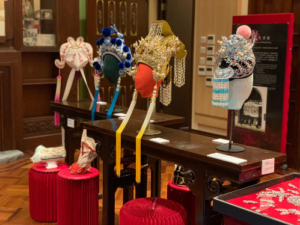
Some of the items presented in this exhibition include a Princess costume, a dress for rich unmarried lady with elaborate sequins, a rare hair ornaments, an interesting selection of shoes, as well as a 3D dressing table.


Les Beatitudes is a not-for-profit organization and a social enterprise founded to support groups in need.  The aim is to connect different social groups within the community and create opportunities for stakeholders. Projects include recycling something old into new products.  Arts and heritage are infused into the designs to create new narratives about the history of Hong Kong.


Haw Par Music (previously known as Haw Par Mansion). The building together with its private garden was built by Aw Boon Haw, who was known as “The King of Tiger Balm”. The Mansion was built in the 1930s, as Aw’s private family residence and the Tiger Balm Garden adjacent to the Mansion, was opened for public enjoyment.

Architecturally, the Mansion was built in an eclectic style with a blend of Western and Chinese construction methods. Over the years there have been limited changes to the Mansion, allowing it to retain many of its original features. The restoration project began in June 2016, and was formally opened in spring 2019 as the Haw Par Music, a centre with the aim of providing cross-cultural exchange through music, heritage and the arts with social initiative.


Resource Person

Born in New York from a family of Cantonese opera heritage and a graduate from Wellesley College, Ms. Li Pui-yan (李沛妍) has studied under numerous famed Cantonese opera performers.  Since her debut as principal actress in Floral Princess (Youth Edition) in 2007, she has performed for the Hong Kong Arts Festival, Chinese Opera Festival, Macau Arts Festival as well as the benefit inaugural performance at ASHK’s Miller Theatre.  Her repertoire ranges from classics to new productions such as Deling and the Empress Dowager Ci Xi and Arrant Revenge, an adaptation of Shakespeare’s Hamlet.  Recently, through working with artists from other disciplines, such as Ming Wong and Mariko Mori, she is inspired to further explore the cross-disciplinary potential of this traditional art form. Aside from performing, Ms. Li is devoted to the English translation of Cantonese opera librettos and has served on the Cantonese Opera Advisory Committee in Hong Kong for various terms.


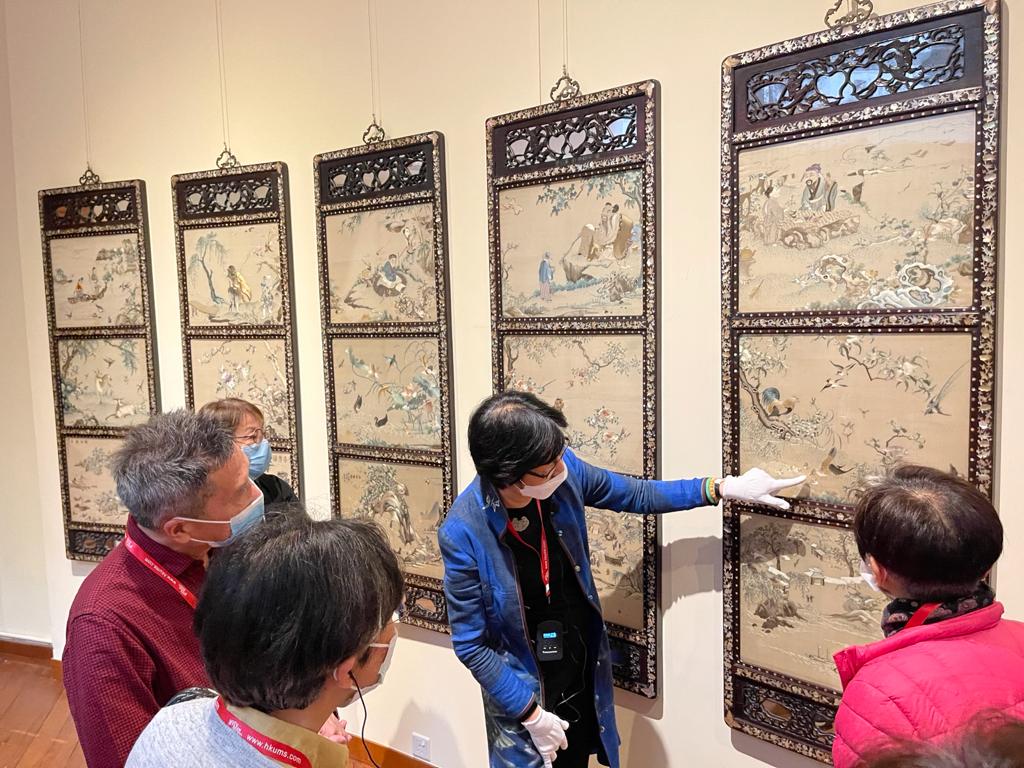
Guided Viewings: ‘Pictorial Silks: Chinese Textiles from the UMAG Collection’ with Ms. Lee Meiyin (Members only event)

**Please note that only Fung Ping Shan Building entry is opened for visitors. Visitors are required by the UMAG to wear a mask, to use the “LeaveHomeSafe” mobile app or provide their personal contact details onsite. 

For more precautionary measures please click:
https://www.umag.hku.hk/en/visit_us.php?id=121399


The HKU Museum Society and the University Museum and Art Gallery are pleased to present guided viewing of current exhibitions, Pictorial Silks: Chinese Textiles from the UMAG Collection. We will be guided by Ms. Lee Meiyin.


Pictorial Silks: Chinese Textiles from the UMAG Collection

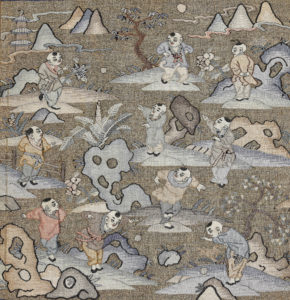
Prized by Chinese and foreign merchants as an essential commodity along a vast trade network, silk served multiple roles throughout the ancient world: as fabric for garments, as a form of currency and method of tax payment, and as a medium and subject matter for professional artists and the literati class. Over the centuries, silk fabrics have remained synonymous with beauty and are entwined throughout the history of Chinese art and literature.

Beginning in the Song dynasty (960-1279) and flourishing into the Qing (1644-1911), craftsmen took up shuttles and needles as their brushes and silk threads as their pigments, creating exquisitely woven and embroidered pictorial and calligraphic works. In the hands of the weavers and embroiderers, weft-woven silk tapestry (kesi) and embroidery (cixiu) evolved into an art form—a fusion of painting, calligraphy and hand weaving or embroidering for aesthetic appreciation. When viewed together, the interdisciplinary nature of these vivid depictions of images and text occupy a unique and unbroken place within the history of Chinese visual culture.

Extending from the Qing dynasty to the mid-20th century, UMAG’s silk textile collection encompasses a diverse range of subjects and formats that include hanging scrolls, framed panels, banners and robes. Each artwork exemplifies the sophisticated craftsmanship of the artisans and the collective stories of the Qing dynasty’s textile industry.


Resource Persons

Ms. Lee Meiyin’s areas of research include the history, art and costumes of the ethnic minorities of China, Buddhist art, Dunhuang art, silk and embroideries.  She previously served as HKUSPACE guest lecturer (2000-2010), as well as a member of the Intangible Cultural Heritage Advisory Committee.  She is currently a specially appointed research fellow of Dunhuang Academy, a visiting associate professor of the Chu Hai College, and a Vice President of the Friends of Dunhuang (Hong Kong).  She also serves on the Board of Dunhuang Grottoes Preservation and Research Foundation of China, and as an expert advisor to the public museums of Hong Kong.


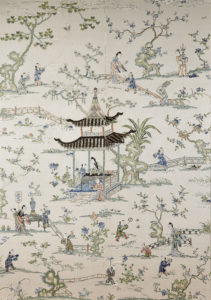
Kingfishers and hibiscuses
China, Qing dynasty (1644-1911), 18th century
Kesi (silk tapestry), hanging scroll, 114.9 x 41.5 cm
Gift of Dr Lam Kwok Pun
HKU.T.2008.1676

Guided Viewings: ‘Colours of Congo: Patterns, Symbols and Narratives in 20th-Century Congolese Paintings’ with Dr. Florian Knothe (Members only event)

**Please note that only Fung Ping Shan Building entry is opened for visitors. Visitors are required by the UMAG to wear a mask, to use the “LeaveHomeSafe” mobile app or provide their personal contact details onsite.

For more precautionary measures please click:
https://www.umag.hku.hk/en/visit_us.php?id=121399


The HKU Museum Society and the University Museum and Art Gallery are pleased to present guided viewing of current exhibitions, Colours of Congo: Patterns, Symbols and Narratives in 20th-Century Congolese Paintings. We will be guided by Museum Director Dr. Florian Knothe.


Colours of Congo: Patterns, Symbols and Narratives in 20th-Century Congolese Paintings

Thanks to unprecedented access to extensive archives and art collections, the exhibition’s narrative presents a generous overview of paintings that were instigated when a single artist from Belgium began a painting workshop so as to collaborate with the indigenous population of Elisabethville (modern-day Lubumbashi). This first studio was followed by other workshops that assisted in developing a hybrid artform that remains a celebrated phenomenon.

The European influence of painting first began with Georges Thiry, who worked for Belgium’s colonial administration starting in 1926. In Elisabethville, Thiry had noticed a series of painted murals of crocodiles and birds. He inquired about the artist and was introduced to Albert Lubaki. Thiry was fascinated by the artist Lubaki, his wife, and the other community members who continued to document their connection to the natural world through wall paintings.

The exhibition and accompanying volume of essays primarily examines this group of paintings as artworks worth considering on their own merits—describing their techniques and inherent beauty, while acknowledging that their iconographic contents reflect daily life within village communities. The juxtaposition of European artists and artistic materials brought to Africa, and the display of African paintings in European art metropolises, initiated decades of intense collaboration and cultural exchange.

Temporary assistant professor in the African Studies Program of the University of Hong Kong Dr Estela Ibáñez-García, “The exhibition displays a selection of Congolese paintings and provides diverse perspectives to assist audiences in understanding the complexity of Congolese realities during colonial times. These perspectives reveal that reality is a construct based on how individuals make sense of their own experiences. Experience is always subjective, as it refers to how events are received by consciousness. Yet, as the essays in this catalogue illustrate, we can transcend this narrow sphere of subjectivity through the arts. A close reading of the paintings reveals how Congolese artists articulated and represented their own experiences during colonial times; a critical reading of how Europeans used and interpreted these creations also indicates their own worldview.”


 Resource Persons

Dr. Florian Knothe teaches the history of decorative arts in the 17th and 18th century with particular focus on the social and historic importance of royal French manufacture. He has long been interested in the early modern fascination with Chinoiserie and the way royal workshops and smaller private enterprises helped to create and cater to this long-lasting fashion. Dr. Knothe worked at The Metropolitan Museum of Art focusing on European Sculpture and Decorative Arts, and on European and East Asian glass at The Corning Museum of Glass, before his current position as Director of the University Museum and Art Gallery at HKU.
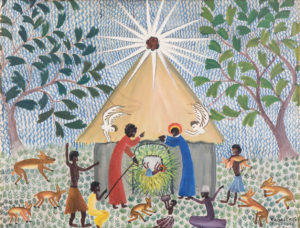
 

Sylvestre Kaballa
Untitled (The Nativity)
Oil on canvas, 50 x 66 cm
Signed ‘Kaballa. Syl. / E/ ville 1956’
1956
Pierre Loos Collection
Photo: Michael De Plaen

Museum Visit: ‘Botticelli and His Times – Masterworks from the Uffizi’

The HKU Museum Society is happy to catch the final moments of the Hong Kong Museum of Art’s brilliant loan exhibition: Botticelli and His Times – Masterworks from the Uffizi now reopened!  Join us on a viewing of these beautiful masterpieces, with special opening remarks delivered by HKMoA’s Amy Chan, Assistant Curator of International Programmes. 

More information about the Botticelli exhibition can be found here:  

https://hk.art.museum/en_US/web/ma/exhibitions-and-events/botticelli-and-his-times-masterworks-from-the-uffizi.html

Alessandro Filipepi, known as Sandro Botticelli

(Florence, 1445-1510)

Adoration of the Magi (Lami Adoration)

1474 – 1475

Tempera on panel

111 x 134 cm

Florence, Gallerie degli Uffizi, Galleria delle Statue e delle Pitture

**Confirmed attendees are required by the HKMoA to use the “LeaveHomeSafe” mobile app or provide their personal contact details onsite.

[ONLINE] Lecture: ‘Silk–Kesi–Embroidery’ with Ms. Lee Meiyin 絲-緙絲-刺繡 李美賢主講 (In Cantonese)

Watch the replay here: https://www.youtube.com/watch?v=ZigZSb5D8cY


For registration, please visit: https://hkuems1.hku.hk/hkuems/ec_hdetail.aspx?guest=Y&ueid=73479

In celebration of the Chinese New Year, the University of Hong Kong Museum Society and the University Museum and Art Gallery are pleased to invite Ms. Lee Meiyin to give a lecture on silk, kesi and embroidery. This lecture, conducted in Cantonese, is presented in conjunction with the exhibition Pictorial Silks: Chinese Textiles from the UMAG Collection.

China is widely recognised for four great inventions (compass, papermaking, gunpowder and printing), but the list of inventions goes beyond. A prime example is the production of silk textiles weaved from filaments of silkworms which gave rise to the famed ‘Silk Road’.

In this lecture, Ms. Meiyin Lee will focus on three areas:
• Silk: Characteristics of silk and its archaeological discoveries
Kesi: Introduction of the characteristics, historical background, weaving methods and the appreciation of kesi
• Embroidery: Introduction to the contents of the exhibits


Speaker

Ms. Lee Meiyin’s areas of research include the history, art and costumes of the ethnic minorities of China, Buddhist art, Dunhuang art, silk and embroideries. She previously served as HKUSPACE guest lecturer (2000-2010), as well as a member of the Intangible Cultural Heritage Advisory Committee. She is currently a specially appointed research fellow of Dunhuang Academy, a visiting associate professor of the Chu Hai College, and a Vice President of the Friends of Dunhuang (Hong Kong). She also serves on the Board of Dunhuang Grottoes Preservation and Research Foundation of China, and as an expert advisor to the public museums of Hong Kong.


為慶祝農曆新年,香港大學博物館學會和香港大學美術博物館很榮幸邀請到李美賢女士為大家舉辦網上講座。講座將會配合專題展覽「如絲如畫:香港大學美術博物館藏中國織物」的內容,並以粵語進行。

大家都知道中國的四大發明(指南针、造紙、火藥和印刷術),但中國的發明遠遠不只這四種,例如用蠶絲織造的絲綢就是其中一大發明,並且導致著名「絲綢之路」的誕生。

因應香港大學美術博物館的展覽「如絲如畫」. 本講座的內容主要介紹:

  • 絲:蠶絲的特性與考古發現
  • 緙絲:介紹緙絲的特色、簡史、織造方法和賞析
  • 刺繡:主要介紹展品的刺繡內容

講者簡介

李美賢女士的研究範圍包括中國少數民族(民族史與服飾)、佛像藝術、敦煌藝術、絲綢與刺繡(歷史與賞析)。曾任香港大學專業進修學院導師(2000-2010),香港非物質文化遺產諮詢委員會委員。現任敦煌研究院特聘研究員、香港敦煌之友副主席、珠海學院訪問副教授、同時也是中國敦煌石窟保護研究基金會理事、香港博物館之專家顧問。


Kingfishers and hibiscuses

China, Qing dynasty (1644-1911), 18th century
Kesi (silk tapestry), hanging scroll, 114.9 x 41.5 cm
Gift of Dr Lam Kwok Pun
HKU.T.2008.1676

Christmas Zoom-a-Cheer


Together, apart, wherever you are;
Join us with your favourite drink to cheer in the festive season!

Programme
UMAG EXHIBITION ‘COLOURS OF CONGO’ TALK with Dr. Florian Knothe
HOLIDAY TOASTING with everyone
CHRISTMAS CAROLS with everyone plus surprise members’ performances

 
Zoom link:
 
Meeting ID: 922 7193 7231
Password: 857038


Talk: Colours of Congo: Patterns, Symbols and Narratives in 20th-Century Congolese Paintings
Dr. Florian Knothe, UMAG Director

Thanks to unprecedented access to extensive archives and art collections, the exhibition’s narrative presents a generous overview of paintings that were instigated when a single artist from Belgium began a painting workshop so as to collaborate with the indigenous population of Elisabethville (modern-day Lubumbashi). This first studio was followed by other workshops that assisted in developing a hybrid artform that remains a celebrated phenomenon.

The European influence of painting first began with Georges Thiry, who worked for Belgium’s colonial administration starting in 1926. In Elisabethville, Thiry had noticed a series of painted wall murals of crocodiles and birds. He inquired about the artist and was introduced to Albert Lubaki. Thiry was fascinated by the artist, his wife, and the other community members who continued to document their connection to the natural world through wall paintings.

This exhibition and accompanying publication examines the group of paintings as artworks worth considering on their own merits—describing their techniques and inherent beauty, while acknowledging that their iconographic contents reflect daily life within the village communities. The juxtaposition of Congolese artists and artistic materials brought from Europe, and the later display of African paintings in European art metropolises, initiated decades of intense collaboration and cultural exchange.


(Postponed) Lecture: “Who is Yoshitomo Nara? ” with Dr. Yeewan Koon & Gallery Visit: Kwai Fung Hin Art Gallery

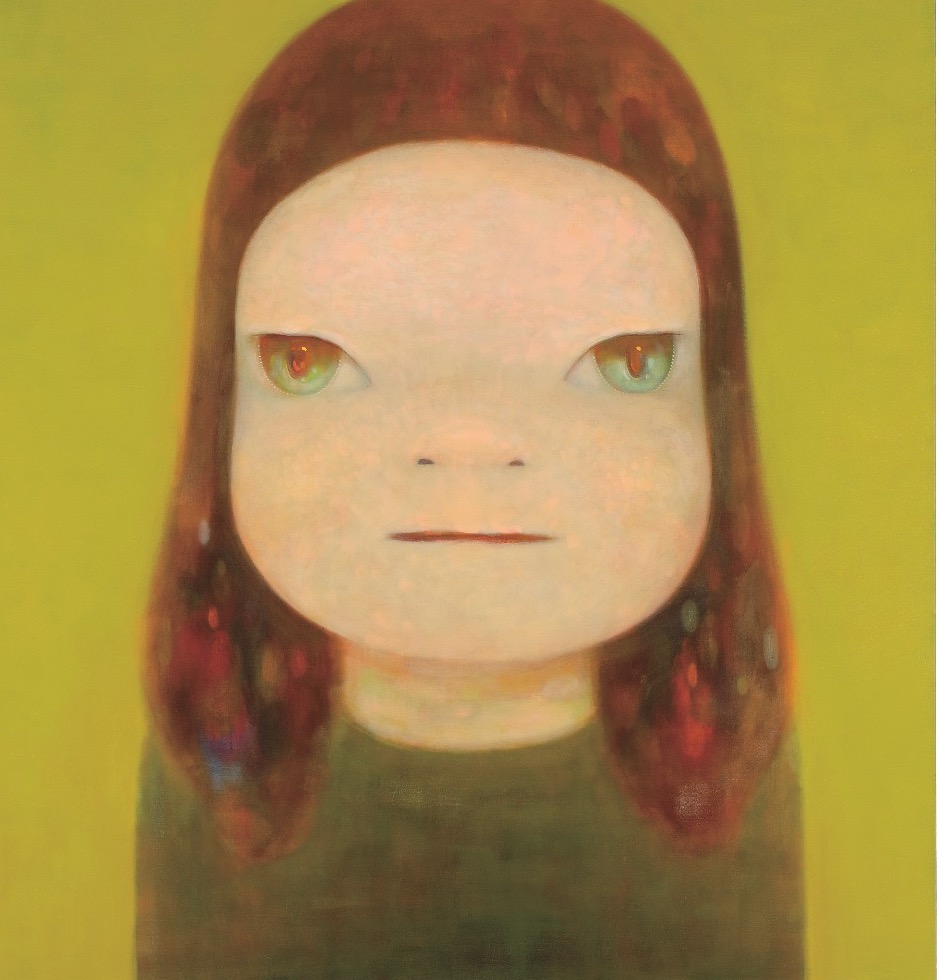
Renowned for the big-headed girls, Yoshitomo Nara is one of Japan’s most iconic artists of our time. Inspired by music, literature, childhood memories, Nara explores the themes of isolation, rebellion, and spirituality through painting, sculpture, ceramic and installation.


The HKU Museum Society is pleased to invite Dr. Yeewan Koon, author of the newly published monograph Nara Yoshitomo (Phaidon, 2020) to share her research on Nara and her experience of working with the artist.  In conversation with Catherine Kwai, the lecture will be held at the new Kwai Fung Hin Art Gallery in Chai Wan.  Members will also be guided on a tour of the gallery’s current exhibition. 


Lecture Synopsis

Yoshitomo Nara is an international artist but whose fame sometimes eclipse our understanding of his art. This talk provides an introduction to his practice, the events that have shaped them, and the new directions being taken in his artworks. This lecture is also a lesson in looking. We will spend time examining and discussing his works by looking closely at how he paints and to use our discoveries to enrich our understanding of who is Yoshitomo Nara.


Speaker

Dr. Yeewan Koon is Associate Professor and Chair of the Department of Art History at The University of Hong Kong. She has published numerous works including Nara Yoshitomo (2020), “A Chinese Canton? Painting the Local in Export Art” (2018) and A Defiant Brush: Su Renshan and the Politics of Painting in 19th Century Guangdong (2014). She is the recipient of several research awards including a Fulbright Senior Fellowship, American Council of Learned Scholars, and visiting scholarships at Cambridge University and Columbia University. Dr. Koon also works in the contemporary art field as a critic and curator. In 2014, she was guest curator of It Begins with Metamorphosis: Xu Bing at the Asia Society, Hong Kong Center, and was one of the selected curators for the 12th Gwangju Biennale, 2018. She is currently working on an international exhibition of Hong Kong art for 2021.


Moderator

Catherine Kwai is the Founder and Managing Director of Kwai Fung Hin Art Gallery. She has established Kwai Fung Culture & Communications Company Limited in 1991 after her successful career in the banking industry for 10 years. In the past 29 years, her business has been developed into four companies with different directions and missions in art. Her contribution in cultural exchange between China and France has earned her the award “Knight of the National Order of the Merit” by the French Government in 2011. Alongside devoting herself in building up a successful career, she has also been actively involved in charity works and public services.

Art Jamming and Afternoon Tea with Eliza Cheng at My Toolbox

We are pleased to organize a private art jamming session and afternoon tea with HKUMS Exco member Eliza Cheng.  Eliza is an active and practicing artist and the founder and Head Art Teacher of My Toolbox, a fine art studio she established in 1998.  Members can freely unleash their creative spirit within a common theme.  Eliza will also be available to give introductory demonstrations and helpful suggestions.  All painting materials and tools will be provided.