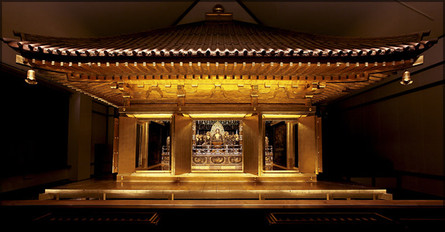
“Golden Light of the Buddha — Art and Architecture of Tōhoku, Japan” With Professor Puay-peng Ho

Synopsis
The far north of Japan was the native land of the Emishi 蝦夷 people, descendants of the Jōmon 繩文. Largely a land of abundance with a central mountain range Ōu Mountains 奥羽山脈, it was conquered by the Yamato 大和 regime from Central Japan and included in the territory of Japan after some bloody battles between 7th – 9th centuries. Since then, feudal lords ruled over the land with two main provinces: Ōshū 奥州 or Michinoku 陸奥 or 道奥, meaning “End of the Road”, to the east and Ushū 羽州 or Dewa no kuni 出羽国 to the west. Understandably, the religion and practices of this far-flung territory of Japan maintained a balance between the imperial and cosmopolitan school and style of Kyoto, the capital, and the local characteristics. The worship of mountain is one example, and the belief in Pure Land Buddhism is another. The main mountain for the practice of Shugendō 修験道 in the vast natural landscape of Tōhoku is Mount Haguro 羽黑山, the fusion of imported Buddhism and indigenous mountain worship.

In the early eras of the unification of Michinoku, in addition to the military and government, Buddhism was an important tool through which the aboriginal people of the far north would be assimilated. Ennin 圓仁, later given the title of Jikaku Daishi 慈覺大師, was asked by the emperor to send 3,000 students from Enryakuji 延暦寺 in north Kyoto to Matsushima 松島 in Miyagi province. They were housed in the newly established Zuiganji 瑞嚴寺 monastery which continued to received imperial and local shogun’s support in this beautiful region of Tōhoku. While Ennin, who traveled to China in the 9th century, was well known as establishing a solid basis for esoteric practices in Tendai 天台 lineage learned from his Chinese experience, he also introduced the Pure Land practices to Japan. The following era in Tōhoku during the 100 years rule of the four generations of Fujiwara 藤原 aristocracy between 1087-1189, saw the creation of monasteries in the Pure Land tradition in the region, principally in Hiraizumi 平泉. Most of these monasteries no longer exist, but the only survival, Chuzonji 中尊寺 monastery with its golden hall, epitomized the belief in the blissful land of Buddha Amitābha.

Presented in conjunction with the Museum’s Society’s upcoming trip to Tōhoku, this lecture will outline the social-political dynamics of Tōhoku during the medieval period and trace the development of Buddhism in this region. The form of Buddhist practice in this backwater of Japan is magnificently expressed in the art and architecture. While Kyoto craftsmen and builders were invited by aristocracies to work in the highest form of art and architecture in this region, there were also local expressions which were tied firmly to the natural beauty of Tōhoku.

Speaker
Professor Puay-peng Ho is Professor and Director of the School of Architecture, and Director of Centre for Architectural Heritage Research at The Chinese University of Hong Kong. He received his First Class Honours degree in Architecture from the University of Edinburgh and a Ph.D in Art History from the School of Oriental and African Studies, University of London. Professor Ho is a member of the Royal Institute of British Architects and the Society of Architectural Historians. Currently, he serves on the Town Planning Board, Antiquities Advisory Board and History Museum Advisory Panel, and is Chairman of the Council of Lord Wilson Heritage Trust. His research interests and publications are in the areas of Chinese art and architectural history, vernacular architecture, and architectural theory. He is also involved in many architecture conservation projects in Hong Kong.
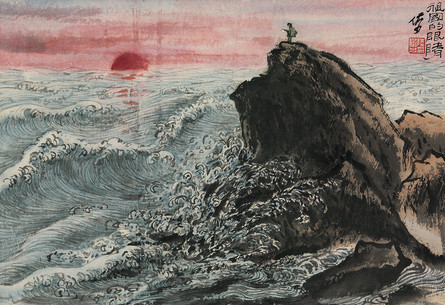
Rendering Change: The Arts of New China 1949-79 With Catherine Maudsley

The HKUMS is delighted to present this special guided viewing of Rendering Change: The Arts of New China 1949-79 with co-curator Catherine Maudsley. After the viewing, participants are invited to savour a 6-course lunch with Catherine among the exhibited art works at Duddell’s private dining room.

Exhibition — Rendering Change: The Arts of New China 1949-79
For more than twenty-five years, the M K Lau Collection has assembled one of the finest private collections of Chinese ink and brush paintings, calligraphy, watercolours and prints documenting defining moments of New China. The art explores this special era’s social landscape and promotes a multi-perspective view of the art, culture and history of New China through a comprehensive collection of exceptional works. Its exhibition of New China’s ink paintings, numbering over 100 works featuring 55 renowned Chinese artists, was shown to great acclaim in 2015 at the Hong Kong Arts Centre, the Dadu Museum, Beijing and the Long Museum – West Bund, Shanghai.

Resource Person
Catherine Maudsley, a Hong Kong-based art historian, art consultant, curator, educator and writer, has had a long association with the M K Lau Collection. A multiple award winner, she was a Connaught Research Scholar at the University of Toronto, a Canada-China Scholar in Beijing and a Commonwealth Scholar in Hong Kong. She has published and lectured extensively on Asian art and culture. Catherine has taught at the Department of Fine Arts, The University of Hong Kong and has served on the Executive Committees of the University of Hong Kong Museum Society and the Hong Kong Oriental Ceramic Society and is a Council Member of the Hong Kong Art School.

About Duddell’s
Duddell’s is a cultural and social destination created for people who have an active appreciation of the arts. With interiors as noteworthy as the art on its walls, entering Duddell’s feels like being welcomed into the home of a great art collector – one that also happens to have an in-house Michelin-starred Cantonese chef and a lush 2,000 square foot Garden Terrace.

Unravelling Flemish Tapestries Through Formal Art Historical Network Research With Professor Koenraad Brosens

This lecture introduces the history of Flemish tapestry weaving, arguably the most celebrated art production in early modern Europe. Many of the most prestigious series of large pictorial textiles were produced in collaboration with different weavers sharing the work and associate costs. This interesting phenomenon led to a new type of research focusing on the socio-economic relationships. MapTap, an ongoing research project developed by Professor Koenraad Brosens, studies the interplay between social structure and dynamics on the one hand, and artistic developments in Flemish tapestry of the seventeenth and eighteenth centuries on the other.

By developing a case study that zooms in on two mid-17th century Brussels tapestries, we will catch a glimpse of the complex socio-economic reality behind the medium, and find that “network(s) of cooperative links among participants” (Becker, Art Worlds, 1982) underpinned, fuelled and steered the tapestry industry. We will then address the question emerging from this observation: How can we reconstruct and study these networks properly? What would be a fitting methodology, technique or tool?

Speaker
Koenraad Brosens is Research Professor in the History of Art Department at KU Leuven where he teaches European Tapestry, Art and Economics, Costume and Fashion and 19th-Century European Art. As a Research and Teaching Assistant at KU Leuven (1998-2003) and a Postdoctoral Fellow of the Flemish Fund for Scientific Research-Belgium (FWO Vlaanderen) (2003-2009), he focused on entrepreneurial strategies devised by early modern European tapestry producers. Professor Brosens has published widely on 17th and 18th century Flemish and French tapestry. His bibliography includes A contextual study of Brussels tapestry, 1670–1770, The dye works and tapestry workshop of Urbanus Leyniers,1674–1747 (2004), European Tapestries in The Art Institute of Chicago (2008), Rubens: The Constantine Series (Corpus Rubenianum Ludwig Burchard, XIII) (2011), and several articles in peer-reviewed journals. He is now working on a book on painting and tapestry in 18th-century Brussels.

Art Basel in Hong Kong

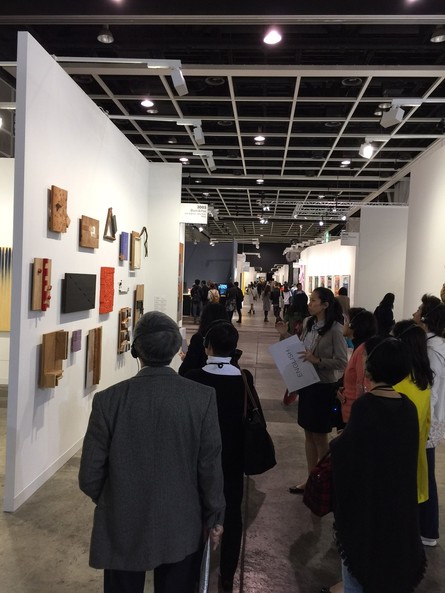
Following a breakthrough 2015 edition – which placed the Hong Kong show squarely in the centre of Asia’s international art scene – the upcoming Art Basel offers a premier platform for showing works from across the globe, with more than half from Asia and Asia Pacific. The show provides an in-depth overview of the region’s diversity through both historical material and cutting-edge works by leading and emerging artists.

From rising talents to the Modern masters of both Asia and the West, Art Basel in Hong Kong traces twelve decades of 20th and 21st century art. Paintings, sculptures, drawings, installations, photographs, video and editioned works of the highest quality will be exhibited, representing more than 3,000 artists from around the globe. Through a programme of discussions and presentations, the show will also offer a platform for cross-cultural exchanges among artists, gallerists, curators, collectors and visitors.

Art Asia Pacific magazine has graciously agreed to arrange special tour(s) of the fair’s highlights for the Museum Society. They will welcome our group by giving us a quick overview of what we can expect to see before taking us on our speciality guided tour of Art Basel in Hong Kong.

Sam Shan Kwok Wong Festival With Anthony Chan Tin-kuen (陳天權)

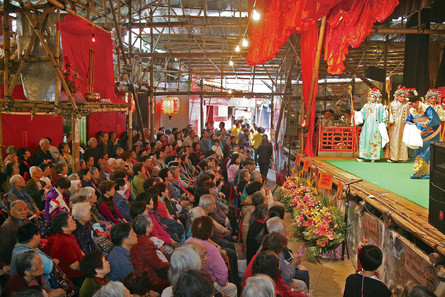
數本土傳統節慶,以長洲太平清醮、天后誕最為人熟悉。農曆二月廿五日的三山國王誕,卻少人注意。前後四天,廟外會搭起小型戲棚,上演神功戲,期間香火不斷,新舊村民與神同樂。究竟「三山國王」是何許人也?神誕習俗如何聯絡鄉情、甚至影響廟宇值理的人事任命?適逢廟會,歷史、風俗及建築文物研究者陳天權先生會帶大家信步漫遊牛池灣鄉、坪石邨一帶,感受節慶氣氛,尋訪三山國王信仰的源流。

香港現存約六間三山國王廟,供奉隋文帝楊堅麾下三位戰功顯赫的將軍。據說宋朝時候,他們屢次在潮州顯靈,助宋帝退敵,事成後卻不知所蹤。宋帝回頭只見三座大山,思忖他們乃山神所化,故封為「三山國王」。十八世紀時,由潮州來港的客家人在牛池灣坪石建廟,過去曾是東九龍十三條村落聚會之所,相比本港同類廟宇,歷史最為悠久。

陳先生過去從事新聞工作,二○○六年修畢香港大學建築系(文物保護)碩士課程,現為專欄作家和自由撰稿人,多年來一直在報章雜誌撰寫有關本土歷史和傳統風俗的文章。著有《被遺忘的歷史建築—港島九龍篇》、《香港節慶風俗》等。

A festival is the perfect excuse for family reunion, reconnection with the past, a short break from routines – and fun. We are of course familiar with Cheung Chau Da Jiu Festival and Tin Hau Festival. How about Sam Shan Kwok Wong Festival? Anthony Chan Tin-kuen, experienced researcher in local history, customs and architecture invites us to explore the neighbourhood of Ngau Chi Wan Village, Ping Shek Estate and Sam Shan Kwok Wong Temple at the pinnacle of this vibrant, albeit lesser-known festivity. Who is “Sam Shan Kwok Wong”? How does the festival help maintain the community in spite of vigorous social changes? This guided walk offers a glimpse into the Chiu Chow beliefs of the Hakka people who settled in Hong Kong in the 18th Century.

Resource Person
陳天權曾任職新聞工作,2006年畢業於香港大學建築文物保護碩士課程,現為專欄作家和自由撰稿人,撰寫香港歷史建築和傳統風俗。另外擔任多個非牟利團體如「文化葫蘆」、「海濱文化導賞會」和「國際漫遊協會」的顧問,以及多個機構的建築文物課程導師和地區歷史導賞員。曾出版十多本書籍,包括《被遺忘的歷史建築》(港島九龍篇和新界離島篇)、《香港節慶風俗》、《香港歷史系列:穿梭今昔、重拾記憶》和《融會中西:澳門文化之旅》等。

Anthony Chan Tin-kuen was a journalist. After graduating from the Architectural Conservation Programme of the University of Hong Kong in 2006, he became a columnist and freelance writer, focusing on local history, built heritage and folk customs. He is an adviser to several NGOs including Hulu Culture, Hoi Bun Heritage Docents Society and International Travellers Association, and also a lecturer and docent for several other organizations. Anthony has published a number of books, including Forgotten Historic Buildings in Hong Kong, Hong Kong Folk Customs, The History of Hong Kong Series, Heritage Trails in Macau, etc.

HIKOJU MAKIE Japanese Lacquer Art With Takashi Wakamiya

Talk
Free admission. All are welcome. No registration required.
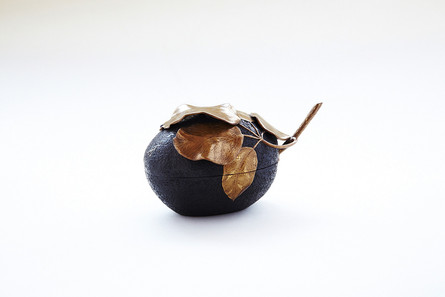
Master Takashi Wakamiya will speak on the history and development of Japanese lacquerware, which first became known to the West during the Meiji period (1868–1912). The use of lacquer in Japan dates back at least 12,600 years, based on the excavation of a lacquer tree branch from an archaelogical site in Fukui prefecture. In 2004, Wakamiya formed the Hikoju Makie Studio, which is based on the traditional Japanese form of arts and crafts workshop. Wakamiya is responsible for drafting the initial plans for each work, and then a range of 40 master craftsmen construct each piece based on their individual expertise. Artists in the Hikoju Makie studio are renowned for their knowledge of traditional lacquer techniques, as well as their ability to develop modern production processes.

Workshop
Cost: $100
Limit: 20
The morning talk will be followed by an afternoon workshop. Master Takashi Wakamiya will demonstrate the technique of “Chinkin” – carving designs into a lacquered surface using a very sharp chisel before inlaying with gold leaf or powder. Participants can bring their own design with them to produce a 12 cm x 12 cm panel.

Registration: Please contact Elena Cheung at [email protected] or 2241 5512.

Speaker
As a lacquer master, Wakamiya Takashi produces artistic lacquer work while also serving as director for the Hikoju Makie studio. This group of craftsmen designs innovative art objects based on the inheritance of traditional designs and motifs. Wakamiya also tirelessly promotes lacquerware throughout Asia and the world market.

Personal Favourite: A Royal Christening Gift in the Gilbert Collection and Other Christening Gifts in the Victoria and Albert Museum With Dr. Tessa Murdoch

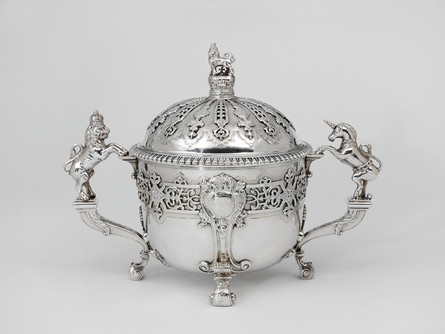
The spectacular Christening Cup and Cover presented by George II to his goddaughter Lady Emily Lennox in 1731 will be placed in the context of Emily’s colourful family history: Emily featured in Stella Tillyard’s best-selling book Aristocrats. This royal silver gift will star in the Best of British Silver exhibition at the Liang Yi Museum which opens in Hong Kong on 21 March. It was made by the speaker’s maternal ancestor, the Huguenot goldsmith Edward Feline, who worked in London’s Covent Garden. Dr. Tessa Murdoch will introduce other Christening gifts in the V&A collections and demonstrate that contemporary goldsmiths whose work is included in the new Hong Kong exhibition, are still producing appropriate gifts in silver to celebrate new life.

Note: This lecture is a prelude to the Museum Society’s upcoming visit to the Liang Yi Museum to see this special collection of British Silver.

Resource Person
Dr. Tessa Murdoch is Deputy Keeper at the Victoria and Albert Museum, Department of Sculpture, Metalwork, Ceramics and Glass. She has lectured and published extensively on European decorative arts, and silverware in particular. Her particular focus is on the important historical impact of Huguenot silversmiths in London, and she has organized exhibitions on this illustrious topic. Dr. Murdoch was instrumental in bringing the prestigious Gilbert Collection to the Victoria and Albert Museum and she is overseeing, studying and presenting this large treasure to the public.

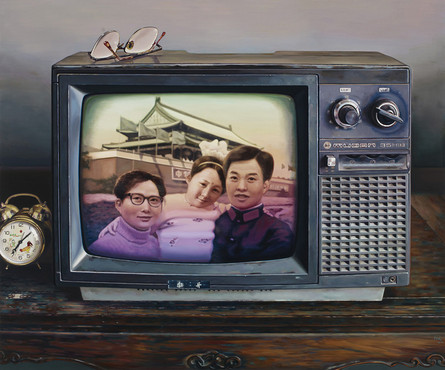
Escaping Freely, Chen Xi’s Art World — Talk and Guided Viewing With Artist Chen Xi

作為一名創作生涯已超過二十年的資深藝術家,陳曦從80年代初進入川美附中學習繪畫,到90年代初從央美油畫系畢業成為獨立創作者,再到如今又附加了藝術教育者的雙重身份。這一過程,恰好是中國改革開放打開國門後中國當代藝術一路高歌猛進的發展歷程。在此,她想以自己不同時期創作演變的經歷簡述,以及她對國內近三十年藝術主要發生狀況,尤其是近十年的新現象的個人有限的觀察描述,來作為一個被時代巨變的大潮裹狹中個體藝術家如何反應的例證,呈現給大家。

An established artist with over two decades of experience in the creative field, Chen Xi entered the Middle School of Sichuan Fine Arts Institute to learn painting in the early ’80s, graduated from the Central Academy of Fine Arts to become an independent artist in the ’90s, and now continues her work as an art educator. Her development coincidentally parallels China's period of reform and opening up to the outside world, which has brought profound growth in Chinese contemporary arts. Based on her exhibition at UMAG Chen Xi: So We Remember, she will present her personal creative evolution from different time periods, and her observations on Chinese contemporary art over the last 30 years, with a particular focus on how artists have reacted to new phenomena and dramatic changes over that time.

Resource Person
Born in the Xinjiang Uygur Autonomous Region, Chen Xi is an Associate Professor in the Department of Oil Painting at the Central Academy of Fine Arts in Beijing.

Jewish Cemetery With Howard Elias and Dr. Joseph Ting

Overview
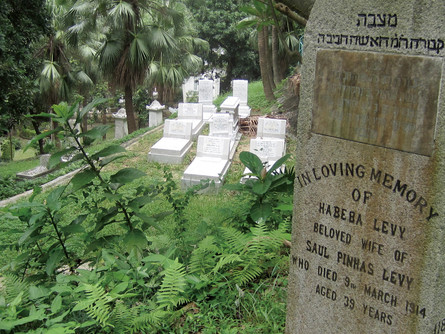
Towering frangipani and jackfruit trees, flowering shrubs, meandering paths set in manicured lawns, a tinkling fountain, bird song and the distant chanting of Buddhist nuns at prayer – an oasis of peace and tranquillity in the middle of Hong Kong. This is Hong Kong's Jewish Cemetery.

Surrounded now by high-rise apartment blocks, with the entrance flanked on either side by a Buddhist temple and its school, the Jewish Cemetery in Hong Kong is one of the few in the Far East that remains in its original 19th century location. A worn Hebrew dedication plaque set into the back wall translates:
For the souls who have departed this life for their Master in the holy community of Hong Kong, may G-d protect it. And this (land) is a gift of our mistress the Queen (Victoria), may G-d bless her, given with payment in full a sum of money that was necessary by David Sassoon in the year [615]. May he see offspring and have a long life.

Join Jewish community member Howard Elias as he takes us on a tour of this fascinating part of Hong Kong’s history. Howard will share the stories of some of the cemetery’s more notable residents, which includes members of the Kadoorie, Belilios, Sassoon, Odell and Weill families.

Dr. Joseph Ting has kindly agreed to accompany us on this visit and share some information on the Jewish Cemetery.

Sharing of Lee Mei-yin’s (李美賢) collection of robes from the period of late Qing and the Republic of China (in Cantonese)

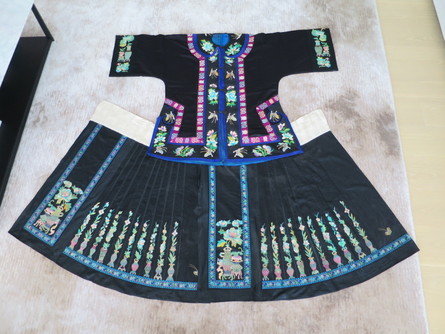
After the exhibition of her Embroidered Identities 2 years ago, Lee Mei Yin is going to share with us again her collection of robes and gowns (Manchurian & Han) with their matching accessories for women and men and even children in the period of late Qing to Republic of China.

清末及民國服飾的分享
繼兩年前中國民族服裝展覽後,李美賢女士再與我們分享她的藏品,李女士將以清
末(滿族及漢族)至民國的男、女和小童的衣袍,展示與講解其式樣和部分配飾;同時也展示一些未成衣的衣料。

Speaker
Collector Lee Mei-yin (李美賢) is a special research Fellow of the Dunhuang Academy and an advisor to the HK Institute for the promotion of Chinese Culture. She has conducted in-depth research on Chinese ethnic culture, Buddhist art and Chinese embroidery for many years.