Guided Viewings: ‘Pictorial Silks: Chinese Textiles from the UMAG Collection’ with Ms. Lee Meiyin (Members only event)

**Please note that only Fung Ping Shan Building entry is opened for visitors. Visitors are required by the UMAG to wear a mask, to use the “LeaveHomeSafe” mobile app or provide their personal contact details onsite. 

For more precautionary measures please click:
https://www.umag.hku.hk/en/visit_us.php?id=121399


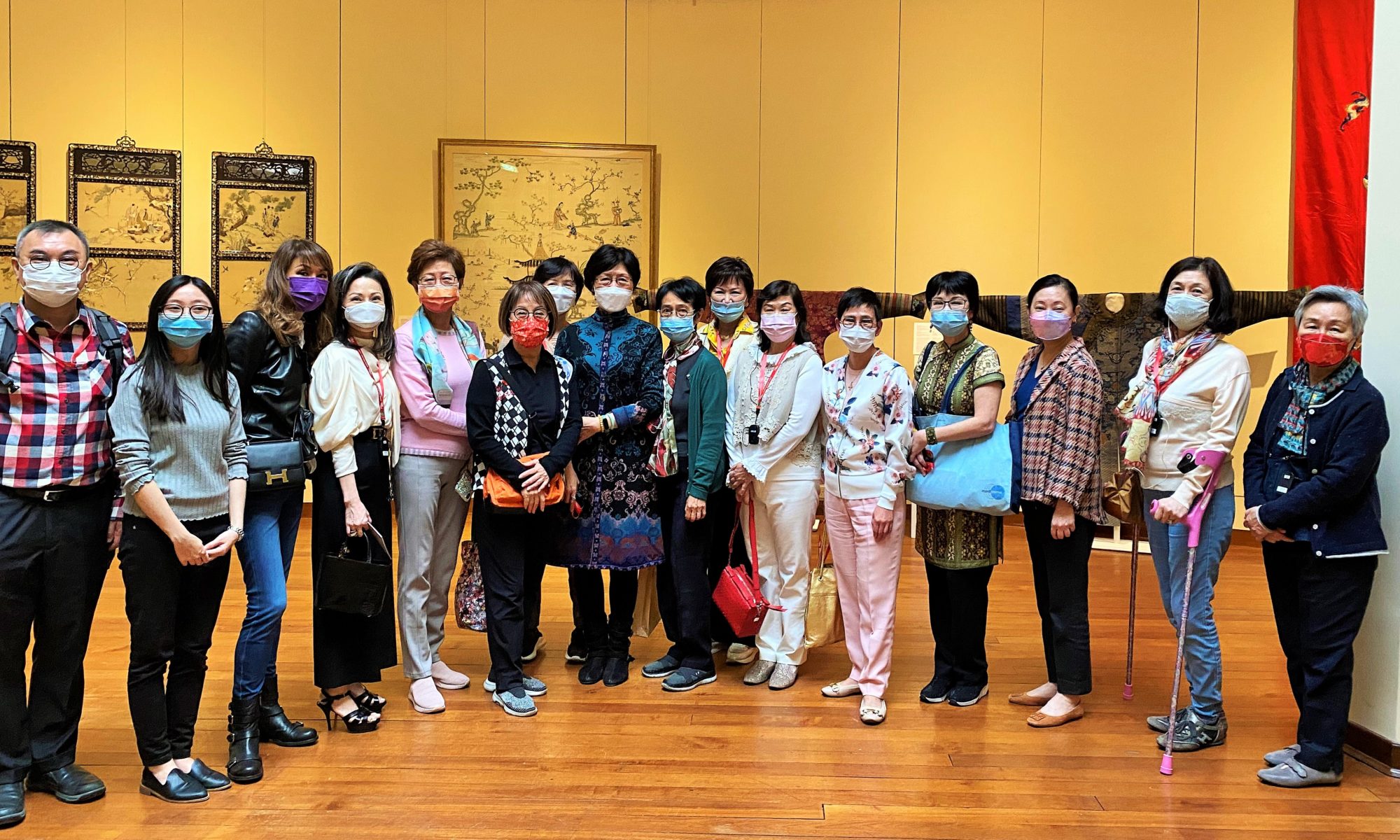
The HKU Museum Society and the University Museum and Art Gallery are pleased to present guided viewing of current exhibitions, Pictorial Silks: Chinese Textiles from the UMAG Collection. We will be guided by Ms. Lee Meiyin.


Pictorial Silks: Chinese Textiles from the UMAG Collection

Prized by Chinese and foreign merchants as an essential commodity along a vast trade network, silk served multiple roles throughout the ancient world: as fabric for garments, as a form of currency and method of tax payment, and as a medium and subject matter for professional artists and the literati class. Over the centuries, silk fabrics have remained synonymous with beauty and are entwined throughout the history of Chinese art and literature.

Beginning in the Song dynasty (960-1279) and flourishing into the Qing (1644-1911), craftsmen took up shuttles and needles as their brushes and silk threads as their pigments, creating exquisitely woven and embroidered pictorial and calligraphic works. In the hands of the weavers and embroiderers, weft-woven silk tapestry (kesi) and embroidery (cixiu) evolved into an art form—a fusion of painting, calligraphy and hand weaving or embroidering for aesthetic appreciation. When viewed together, the interdisciplinary nature of these vivid depictions of images and text occupy a unique and unbroken place within the history of Chinese visual culture.

Extending from the Qing dynasty to the mid-20th century, UMAG’s silk textile collection encompasses a diverse range of subjects and formats that include hanging scrolls, framed panels, banners and robes. Each artwork exemplifies the sophisticated craftsmanship of the artisans and the collective stories of the Qing dynasty’s textile industry.


Resource Persons

Ms. Lee Meiyin’s areas of research include the history, art and costumes of the ethnic minorities of China, Buddhist art, Dunhuang art, silk and embroideries.  She previously served as HKUSPACE guest lecturer (2000-2010), as well as a member of the Intangible Cultural Heritage Advisory Committee.  She is currently a specially appointed research fellow of Dunhuang Academy, a visiting associate professor of the Chu Hai College, and a Vice President of the Friends of Dunhuang (Hong Kong).  She also serves on the Board of Dunhuang Grottoes Preservation and Research Foundation of China, and as an expert advisor to the public museums of Hong Kong.


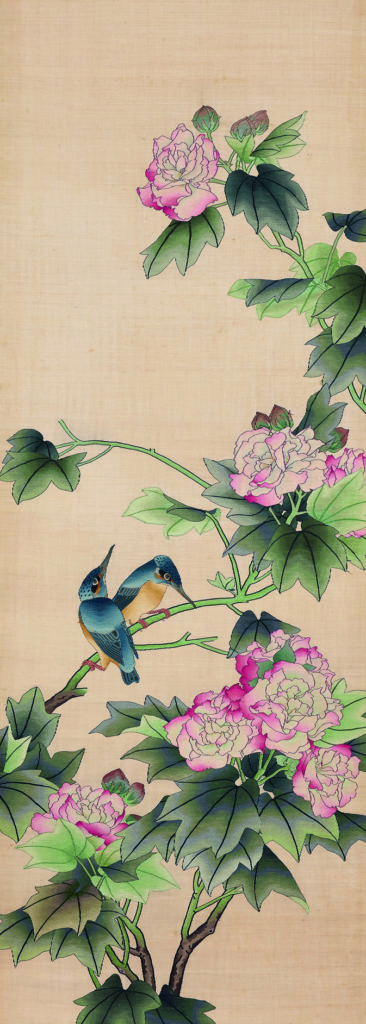
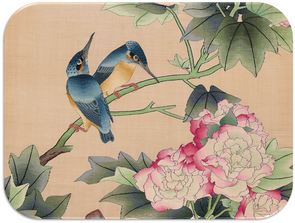
Kingfishers and hibiscuses
China, Qing dynasty (1644-1911), 18th century
Kesi (silk tapestry), hanging scroll, 114.9 x 41.5 cm
Gift of Dr Lam Kwok Pun
HKU.T.2008.1676

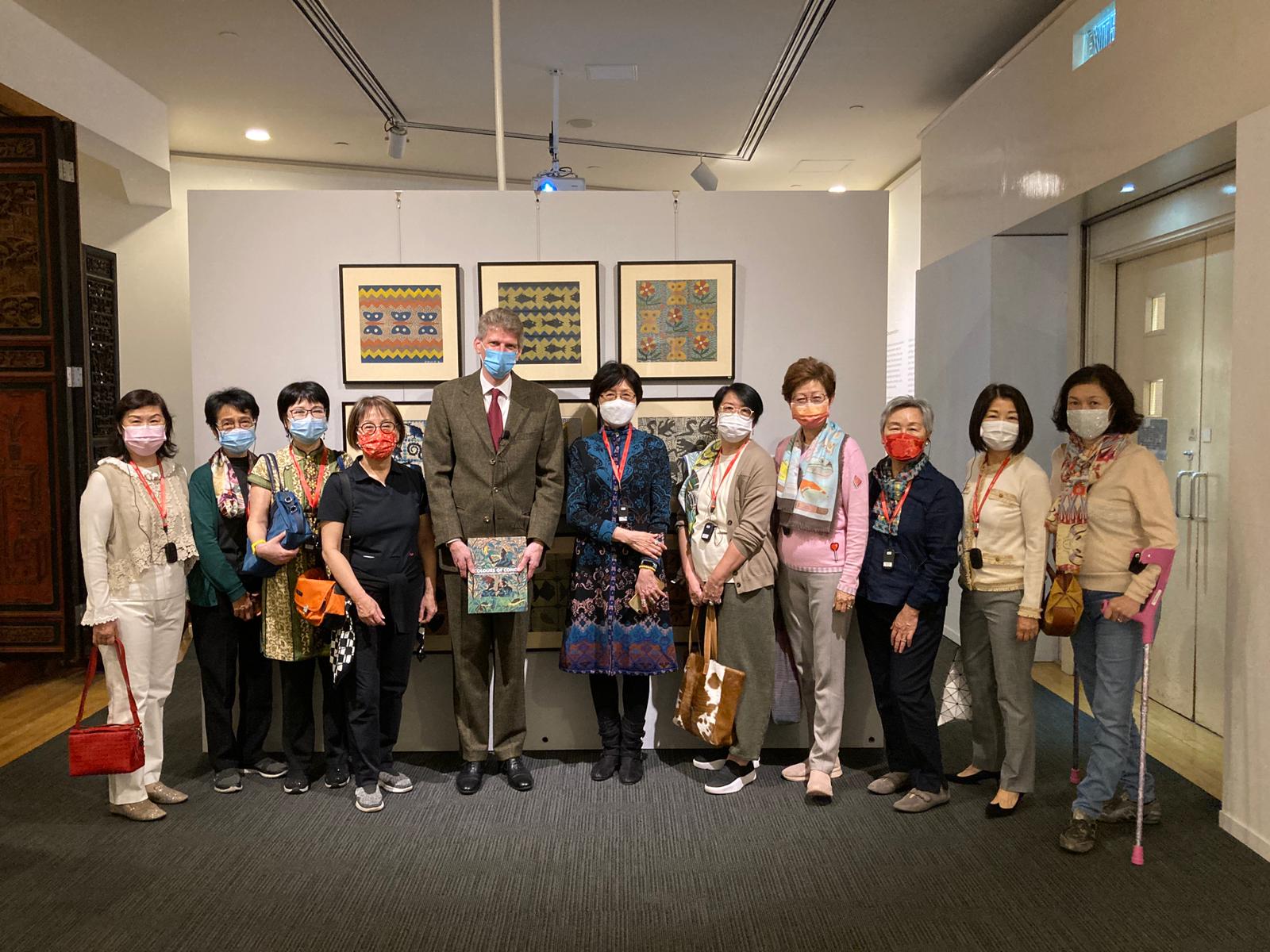
Guided Viewings: ‘Colours of Congo: Patterns, Symbols and Narratives in 20th-Century Congolese Paintings’ with Dr. Florian Knothe (Members only event)

**Please note that only Fung Ping Shan Building entry is opened for visitors. Visitors are required by the UMAG to wear a mask, to use the “LeaveHomeSafe” mobile app or provide their personal contact details onsite.

For more precautionary measures please click:
https://www.umag.hku.hk/en/visit_us.php?id=121399


The HKU Museum Society and the University Museum and Art Gallery are pleased to present guided viewing of current exhibitions, Colours of Congo: Patterns, Symbols and Narratives in 20th-Century Congolese Paintings. We will be guided by Museum Director Dr. Florian Knothe.


Colours of Congo: Patterns, Symbols and Narratives in 20th-Century Congolese Paintings

Thanks to unprecedented access to extensive archives and art collections, the exhibition’s narrative presents a generous overview of paintings that were instigated when a single artist from Belgium began a painting workshop so as to collaborate with the indigenous population of Elisabethville (modern-day Lubumbashi). This first studio was followed by other workshops that assisted in developing a hybrid artform that remains a celebrated phenomenon.

The European influence of painting first began with Georges Thiry, who worked for Belgium’s colonial administration starting in 1926. In Elisabethville, Thiry had noticed a series of painted murals of crocodiles and birds. He inquired about the artist and was introduced to Albert Lubaki. Thiry was fascinated by the artist Lubaki, his wife, and the other community members who continued to document their connection to the natural world through wall paintings.

The exhibition and accompanying volume of essays primarily examines this group of paintings as artworks worth considering on their own merits—describing their techniques and inherent beauty, while acknowledging that their iconographic contents reflect daily life within village communities. The juxtaposition of European artists and artistic materials brought to Africa, and the display of African paintings in European art metropolises, initiated decades of intense collaboration and cultural exchange.

Temporary assistant professor in the African Studies Program of the University of Hong Kong Dr Estela Ibáñez-García, “The exhibition displays a selection of Congolese paintings and provides diverse perspectives to assist audiences in understanding the complexity of Congolese realities during colonial times. These perspectives reveal that reality is a construct based on how individuals make sense of their own experiences. Experience is always subjective, as it refers to how events are received by consciousness. Yet, as the essays in this catalogue illustrate, we can transcend this narrow sphere of subjectivity through the arts. A close reading of the paintings reveals how Congolese artists articulated and represented their own experiences during colonial times; a critical reading of how Europeans used and interpreted these creations also indicates their own worldview.”


 Resource Persons

Dr. Florian Knothe teaches the history of decorative arts in the 17th and 18th century with particular focus on the social and historic importance of royal French manufacture. He has long been interested in the early modern fascination with Chinoiserie and the way royal workshops and smaller private enterprises helped to create and cater to this long-lasting fashion. Dr. Knothe worked at The Metropolitan Museum of Art focusing on European Sculpture and Decorative Arts, and on European and East Asian glass at The Corning Museum of Glass, before his current position as Director of the University Museum and Art Gallery at HKU.


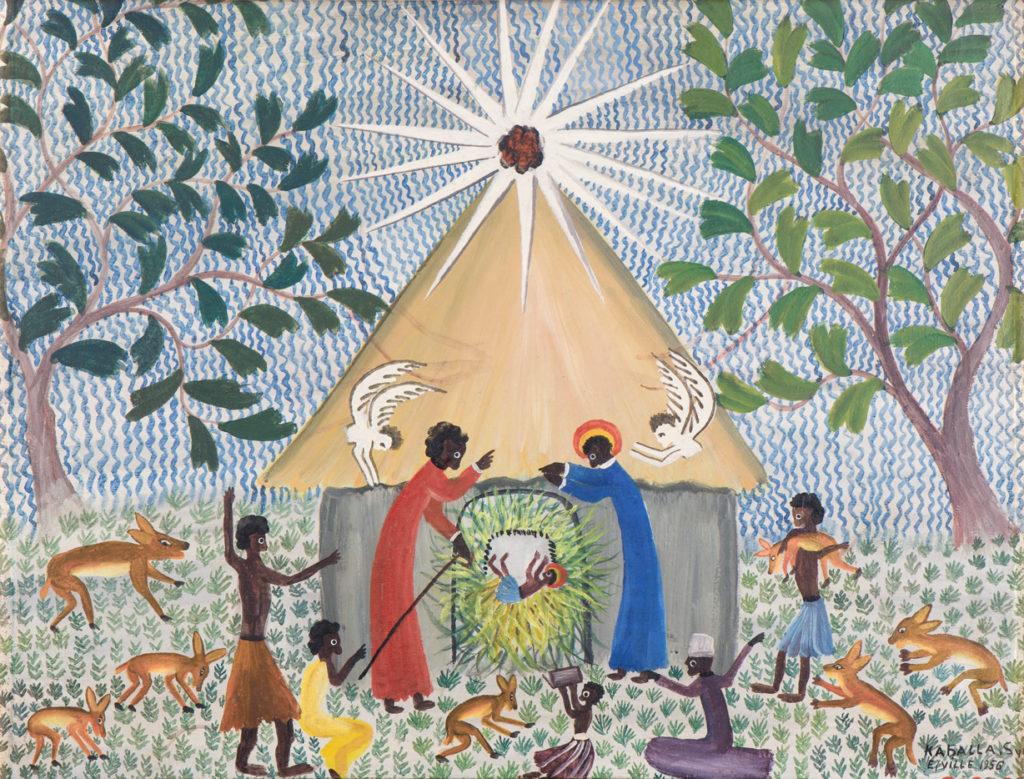
Sylvestre Kaballa
Untitled (The Nativity)
Oil on canvas, 50 x 66 cm
Signed ‘Kaballa. Syl. / E/ ville 1956’
1956
Pierre Loos Collection
Photo: Michael De Plaen

Museum Visit: ‘Botticelli and His Times – Masterworks from the Uffizi’

The HKU Museum Society is happy to catch the final moments of the Hong Kong Museum of Art’s brilliant loan exhibition: Botticelli and His Times – Masterworks from the Uffizi now reopened!  Join us on a viewing of these beautiful masterpieces, with special opening remarks delivered by HKMoA’s Amy Chan, Assistant Curator of International Programmes. 

More information about the Botticelli exhibition can be found here:  

https://hk.art.museum/en_US/web/ma/exhibitions-and-events/botticelli-and-his-times-masterworks-from-the-uffizi.html

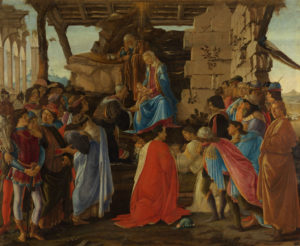
Alessandro Filipepi, known as Sandro Botticelli

(Florence, 1445-1510)

Adoration of the Magi (Lami Adoration)

1474 – 1475

Tempera on panel

111 x 134 cm

Florence, Gallerie degli Uffizi, Galleria delle Statue e delle Pitture

**Confirmed attendees are required by the HKMoA to use the “LeaveHomeSafe” mobile app or provide their personal contact details onsite.

[ONLINE] Lecture: ‘Silk–Kesi–Embroidery’ with Ms. Lee Meiyin 絲-緙絲-刺繡 李美賢主講 (In Cantonese)

Watch the replay here: https://www.youtube.com/watch?v=ZigZSb5D8cY


For registration, please visit: https://hkuems1.hku.hk/hkuems/ec_hdetail.aspx?guest=Y&ueid=73479

In celebration of the Chinese New Year, the University of Hong Kong Museum Society and the University Museum and Art Gallery are pleased to invite Ms. Lee Meiyin to give a lecture on silk, kesi and embroidery. This lecture, conducted in Cantonese, is presented in conjunction with the exhibition Pictorial Silks: Chinese Textiles from the UMAG Collection.

China is widely recognised for four great inventions (compass, papermaking, gunpowder and printing), but the list of inventions goes beyond. A prime example is the production of silk textiles weaved from filaments of silkworms which gave rise to the famed ‘Silk Road’.

In this lecture, Ms. Meiyin Lee will focus on three areas:
• Silk: Characteristics of silk and its archaeological discoveries
Kesi: Introduction of the characteristics, historical background, weaving methods and the appreciation of kesi
• Embroidery: Introduction to the contents of the exhibits


Speaker

Ms. Lee Meiyin’s areas of research include the history, art and costumes of the ethnic minorities of China, Buddhist art, Dunhuang art, silk and embroideries. She previously served as HKUSPACE guest lecturer (2000-2010), as well as a member of the Intangible Cultural Heritage Advisory Committee. She is currently a specially appointed research fellow of Dunhuang Academy, a visiting associate professor of the Chu Hai College, and a Vice President of the Friends of Dunhuang (Hong Kong). She also serves on the Board of Dunhuang Grottoes Preservation and Research Foundation of China, and as an expert advisor to the public museums of Hong Kong.


為慶祝農曆新年,香港大學博物館學會和香港大學美術博物館很榮幸邀請到李美賢女士為大家舉辦網上講座。講座將會配合專題展覽「如絲如畫:香港大學美術博物館藏中國織物」的內容,並以粵語進行。

大家都知道中國的四大發明(指南针、造紙、火藥和印刷術),但中國的發明遠遠不只這四種,例如用蠶絲織造的絲綢就是其中一大發明,並且導致著名「絲綢之路」的誕生。

因應香港大學美術博物館的展覽「如絲如畫」. 本講座的內容主要介紹:

  • 絲:蠶絲的特性與考古發現
  • 緙絲:介紹緙絲的特色、簡史、織造方法和賞析
  • 刺繡:主要介紹展品的刺繡內容

講者簡介

李美賢女士的研究範圍包括中國少數民族(民族史與服飾)、佛像藝術、敦煌藝術、絲綢與刺繡(歷史與賞析)。曾任香港大學專業進修學院導師(2000-2010),香港非物質文化遺產諮詢委員會委員。現任敦煌研究院特聘研究員、香港敦煌之友副主席、珠海學院訪問副教授、同時也是中國敦煌石窟保護研究基金會理事、香港博物館之專家顧問。


Kingfishers and hibiscuses

China, Qing dynasty (1644-1911), 18th century
Kesi (silk tapestry), hanging scroll, 114.9 x 41.5 cm
Gift of Dr Lam Kwok Pun
HKU.T.2008.1676

Christmas Zoom-a-Cheer


Together, apart, wherever you are;
Join us with your favourite drink to cheer in the festive season!

Programme
UMAG EXHIBITION ‘COLOURS OF CONGO’ TALK with Dr. Florian Knothe
HOLIDAY TOASTING with everyone
CHRISTMAS CAROLS with everyone plus surprise members’ performances

 
Zoom link:
 
Meeting ID: 922 7193 7231
Password: 857038


Talk: Colours of Congo: Patterns, Symbols and Narratives in 20th-Century Congolese Paintings
Dr. Florian Knothe, UMAG Director

Thanks to unprecedented access to extensive archives and art collections, the exhibition’s narrative presents a generous overview of paintings that were instigated when a single artist from Belgium began a painting workshop so as to collaborate with the indigenous population of Elisabethville (modern-day Lubumbashi). This first studio was followed by other workshops that assisted in developing a hybrid artform that remains a celebrated phenomenon.

The European influence of painting first began with Georges Thiry, who worked for Belgium’s colonial administration starting in 1926. In Elisabethville, Thiry had noticed a series of painted wall murals of crocodiles and birds. He inquired about the artist and was introduced to Albert Lubaki. Thiry was fascinated by the artist, his wife, and the other community members who continued to document their connection to the natural world through wall paintings.

This exhibition and accompanying publication examines the group of paintings as artworks worth considering on their own merits—describing their techniques and inherent beauty, while acknowledging that their iconographic contents reflect daily life within the village communities. The juxtaposition of Congolese artists and artistic materials brought from Europe, and the later display of African paintings in European art metropolises, initiated decades of intense collaboration and cultural exchange.


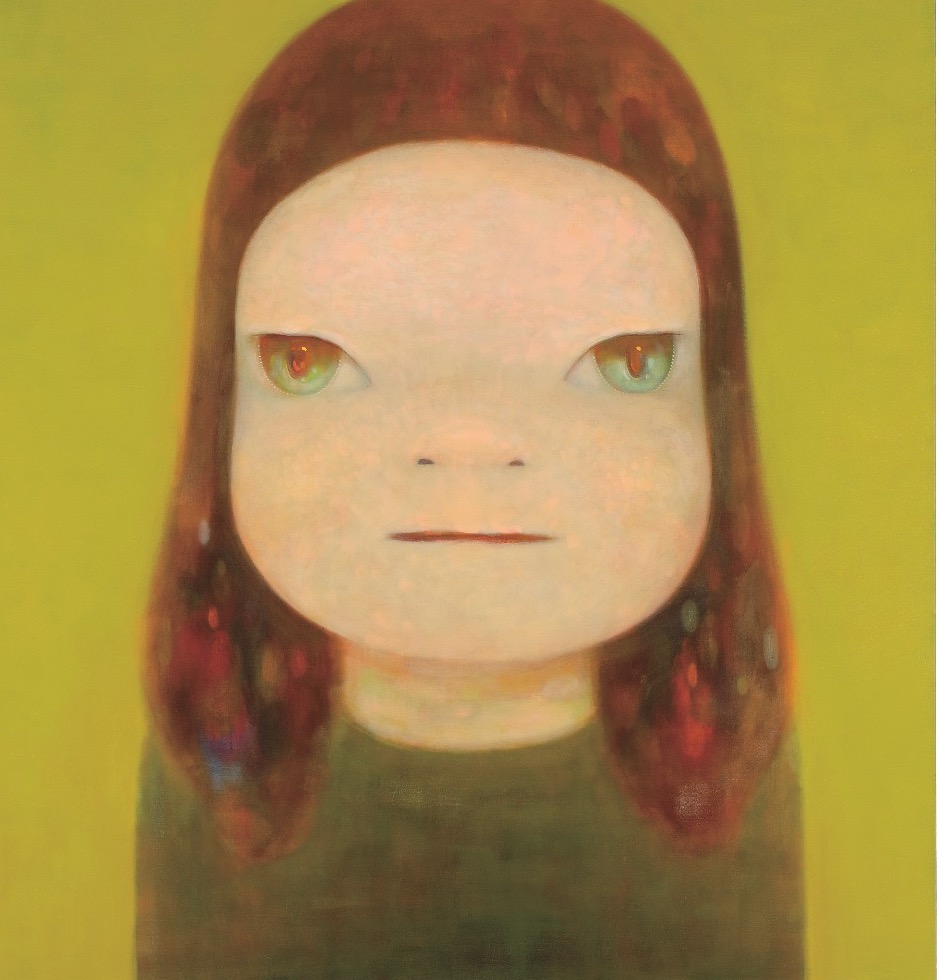
(Postponed) Lecture: “Who is Yoshitomo Nara? ” with Dr. Yeewan Koon & Gallery Visit: Kwai Fung Hin Art Gallery

Renowned for the big-headed girls, Yoshitomo Nara is one of Japan’s most iconic artists of our time. Inspired by music, literature, childhood memories, Nara explores the themes of isolation, rebellion, and spirituality through painting, sculpture, ceramic and installation.


The HKU Museum Society is pleased to invite Dr. Yeewan Koon, author of the newly published monograph Nara Yoshitomo (Phaidon, 2020) to share her research on Nara and her experience of working with the artist.  In conversation with Catherine Kwai, the lecture will be held at the new Kwai Fung Hin Art Gallery in Chai Wan.  Members will also be guided on a tour of the gallery’s current exhibition. 


Lecture Synopsis

Yoshitomo Nara is an international artist but whose fame sometimes eclipse our understanding of his art. This talk provides an introduction to his practice, the events that have shaped them, and the new directions being taken in his artworks. This lecture is also a lesson in looking. We will spend time examining and discussing his works by looking closely at how he paints and to use our discoveries to enrich our understanding of who is Yoshitomo Nara.


Speaker

Dr. Yeewan Koon is Associate Professor and Chair of the Department of Art History at The University of Hong Kong. She has published numerous works including Nara Yoshitomo (2020), “A Chinese Canton? Painting the Local in Export Art” (2018) and A Defiant Brush: Su Renshan and the Politics of Painting in 19th Century Guangdong (2014). She is the recipient of several research awards including a Fulbright Senior Fellowship, American Council of Learned Scholars, and visiting scholarships at Cambridge University and Columbia University. Dr. Koon also works in the contemporary art field as a critic and curator. In 2014, she was guest curator of It Begins with Metamorphosis: Xu Bing at the Asia Society, Hong Kong Center, and was one of the selected curators for the 12th Gwangju Biennale, 2018. She is currently working on an international exhibition of Hong Kong art for 2021.


Moderator

Catherine Kwai is the Founder and Managing Director of Kwai Fung Hin Art Gallery. She has established Kwai Fung Culture & Communications Company Limited in 1991 after her successful career in the banking industry for 10 years. In the past 29 years, her business has been developed into four companies with different directions and missions in art. Her contribution in cultural exchange between China and France has earned her the award “Knight of the National Order of the Merit” by the French Government in 2011. Alongside devoting herself in building up a successful career, she has also been actively involved in charity works and public services.

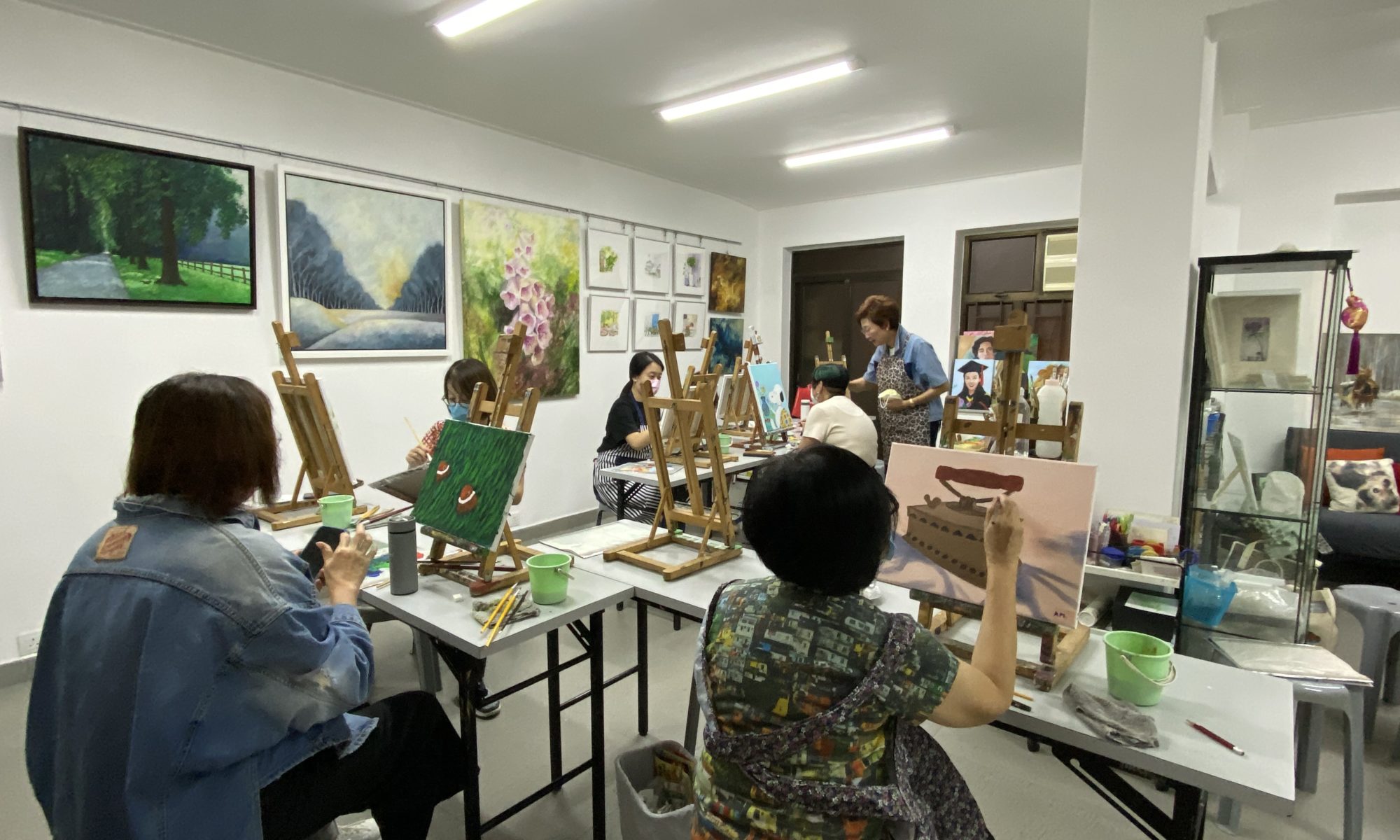
Art Jamming and Afternoon Tea with Eliza Cheng at My Toolbox

We are pleased to organize a private art jamming session and afternoon tea with HKUMS Exco member Eliza Cheng.  Eliza is an active and practicing artist and the founder and Head Art Teacher of My Toolbox, a fine art studio she established in 1998.  Members can freely unleash their creative spirit within a common theme.  Eliza will also be available to give introductory demonstrations and helpful suggestions.  All painting materials and tools will be provided.

Guided Viewing: Gallery by SOIL & Ying’s Gallery

The Gallery by SOIL opened on Hollywood Road in July 2020, dedicated to presenting the art of lacquerware from Asia. The aim is to showcase contemporary designs and variety in the lacquer discipline. Founder Susanna Pang will give us a guided tour of the new space, and how her projects have grown since 2012.


Ying’s Gallery on Tai Ping Shan Street features rare antiquities. Founder Ying Lau is a third-generation connoisseur of Asian works of art. She will speak to us about favourite objects that have passed through her hands, and how ancient objects can serve a functional purpose in our modern day lives.

[ONLINE] Lecture – Art and its Histories: Scholars in Lecture – An Unexpected Masterpiece: Luo Ping’s Ghost Amusement Scroll with Dr. Yeewan Koon

Watch the replay here: 
https://www.facebook.com/events/238804797318394/

If you have questions for the Lecturer, please go to http://www.slido.com and enter code#28930

Lecture synopsis

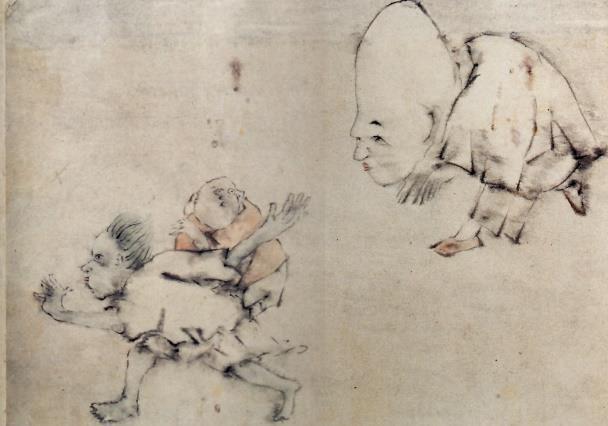
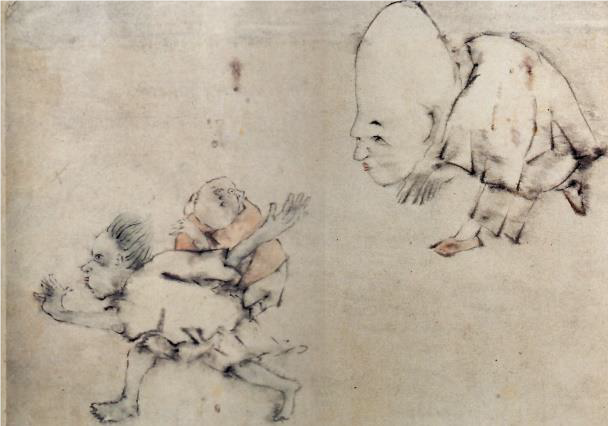
This lecture introduces one of the most unusual iconic works in Chinese art history. It is a painting that by all counts should not be a “masterpiece.” It is a painting of ghosts (rather than a landscape), it is a handscroll of smaller paintings in uneven sizes mounted together (therefore somewhat ad hoc), and it was made by an artist seeking patrons after years of being under his charismatic teacher’s shadow. It also collected over 160 admiring colophons. So why did this painting garner such attention? Why is Luo Ping’s Ghost Amusement Scroll important? This lecture given by HKU’s Dr. Yeewan Koon in conversation with Orientations Magazine publisher Yifawn Lee looks at how Chinese paintings are mediators of intimate relationships, whether between painters and their audiences or between masters and disciples, and why the strange world of ghosts captured the imagination of an eighteenth-century Chinese art world.

“Art and its Histories: Scholars in Lecture” is a series of public lectures organized by the Art History Department, The University of Hong Kong and presented in collaboration with Asia Society Hong Kong Center, Friends of Hong Kong Museum of Art, and the University of Hong Kong Museum Society. The programs aim to deliver current art-historical thinking in an accessible manner presented by specialists in the field. The series is part of the Department of Art History’s broader dedication to promoting the importance and relevance of art history in Hong Kong.

Speakers
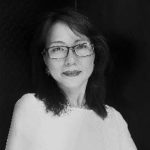
Dr. Yeewan Koon is Chair of the Art History Department at The University of Hong Kong. Her primary research is on Chinese painting and she is currently completing a study on the “self-knowing” copy in the sixteenth century. Koon’s academic interest also expands into contemporary art in Asia with a recent monograph of Yoshitomo Nara, and curatorial work at the Gwangju Biennale (2018) and a forthcoming exhibition on Hong Kong art in Helsinki (2021). She is the recipient of numerous awards including from the American Council of Learned Scholar, and as Fulbright Senior Fellow.
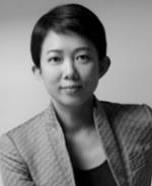
 

Yifawn Lee is the publisher and editor of Orientations, a scholarly magazine for collectors and connoisseurs of East and Southeast Asia, the Himalayas and South Asia founded in 1969. After finishing her studies, she worked in finance and later joined Orientations in 2008. In 2014, she founded Asian Art Hong Kong as a platform to provide art-related lectures and events. In 2018, she helped organize ‘The Blue Road: Master crafts from Persia’ at Liang Yi Museum and ‘From Two Arises Three: The Collaborative Works of Arnold Chang and Michael Cherney’ at the University Museum and Art Gallery of The University of Hong Kong. She currently sits on the advisory board of Liang Yi Museum and on the executive committee of the Friends of Hong Kong Museum of Art.


About Luo Ping
Luo Ping (1733 to 1799) was one of the most versatile, original, and celebrated artists in 18th-century China. While Luo’s early works reflect the thriving and innovative artistic climate of his hometown Yangzhou, his late oeuvre produced in Beijing provides evidence for the art-historical and antiquarian interests that he shared with his friends and patrons, many of whom were among the most prominent representatives of the intellectual and political life of the day.

Luo grew up in Yangzhou, a place which became a byword for informed connoisseurship and aesthetic exploration. At that moment, the city was favored with both imperial patronage and the generosity of the salt merchants. Libraries were assembled while scholars were hired to tutor the children of salt merchants. He started out as a poet and at nineteen married an artist named Fang Wanyi.

During 1757, Luo studied painting under Jin Nong (1687–1763), an elder member of the “Eight Eccentrics of Yangzhou” and one of the leading figures in Yangzhou’s bohemian culture. In the latter part of his life, Luo worked mostly in Beijing and developed a unique personal style including portraits, colorful landscapes, Buddhist images, and witty depictions of animals and plants, most notably plum blossoms.

His paintings
Luo Ping was an extraordinary artist, whose works influenced the course of later Chinese painting. With examples of Luo Ping’s early work including his arresting and highly unconventional Portrait of Jin Nong (ca. 1760), capturing his beloved mentor as a Buddhist saint poring over a Sanskrit scripture. The unflattering characterization, verging on caricature, pointedly evokes grotesque 10th-century depictions of Luohans (disciples of the Buddha) that Jin Nong admired.
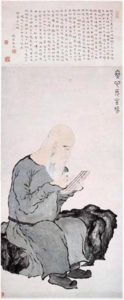
Luo Ping, Portrait of Mr. Dongxin, ink and color on paper, 1762-63, Zhejiang Provincial Museum, Hangzhou

Where Luo really took off in his own direction, though, was in paintings of ghosts. One of the best known paintings in the late imperial China—Ghost Amusement, depicting the world of ghosts that, he claimed, he had seen with his own eyes. The Ghost Amusement Scroll painted after Jin Nong’s death. Since business turns for the worse in Yangzhou, Luo Ping decides to use his reputation and make a new start in Beijing where business is flourishing and where creative talent is being attracted from around the world.

There were eight paintings that constitute completed scroll. Luo Ping painted his ghosts on saturated sheets of paper that had not yet dried, so that “shadowy lines with dark accents bleed into miasmic washes to shape the strange forms.” The ghost paintings catch the tensions and contrasts that were coming to dominate this time in China’s history—as well as the layers of religious euphoria that lay behind the alternate reading of the scrolls title as a “realm of ghosts,” a literalness of interpretation that Luo Ping deliberately fostered by his repeated claims that he had seen the ghosts in person on many occasions. In his later years, he was in demand at parties for telling illustrated ghost stories.
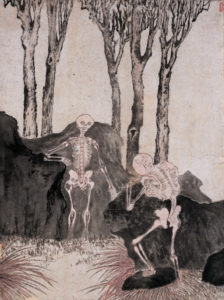
Luo Ping, painting from the handscroll “Ghost Amusement”, ink on paper, ca. 1766, private collection


Reference:
www.chinafile.com/library/nyrb-china-archive/specters-chinese-master
www.theartwolf.com/exhibitions/luo-ping-met.htm
www.nytimes.com/2009/10/09/arts/design/09visions
www.metmuseum.org/exhibitions/listings/2009/luo-ping/photo-gallery
www.dailyartmagazine.com/luo-ping-painter/


Co-presented by


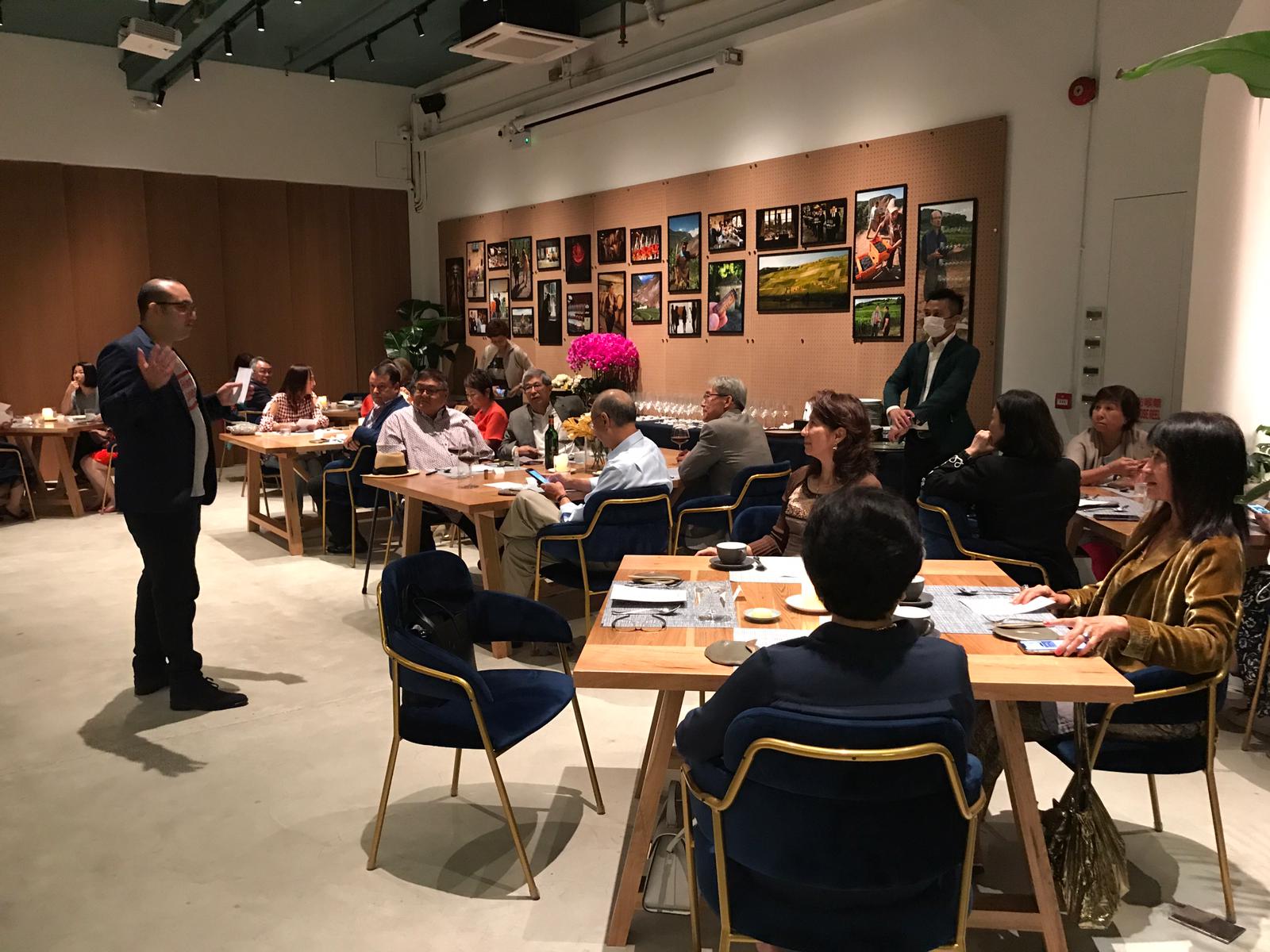
Culinary Evening: Wine Dinner at Bâtard

The new restaurant Bâtard sits inside The Fine Wine Experience, HK’s largest fine wine retail shop. In creating Bâtard, the restaurant owner wanted to establish a space where wine enthusiasts could come and enjoy the finest wines of the world with dishes specially crafted to enhance the wine drinking experience. So, Bâtard teamed up with the dining expertise of Chef Peter Teo and the team from Bistro du Vin to produce a menu of simple, uncomplicated but flavourful dishes that are just what we want when we drink fine Burgundy, Bordeaux, Champagne, Riesling, Barbaresco, Hermitage, and the other many wonderful wines of the world. That means dishes that aren’t too fussy and complement rather than detract from the wine. Bâtard sources the world’s best fresh ingredients, prepare them thoughtfully with care, and let the magic happen between plate and glass.